
Supplier of Polyethylene (PE) From Turkey and Dubai-UAE
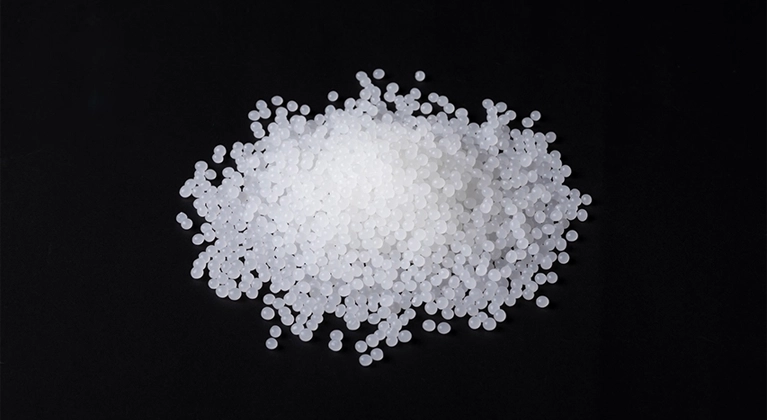
Descriptions of Polyethylene (PE)
Polyethylene (PE) is one of the most versatile and widely used thermoplastic polymers across global industries. Produced through the polymerization of ethylene monomers, it offers an outstanding balance of flexibility, strength, and chemical resistance. These unique characteristics make polyethylene indispensable in sectors such as packaging, construction, automotive, agriculture, and healthcare.
Renowned for its adaptability and cost-effectiveness, PE resin plays a central role in modern material science — offering lightweight performance and durability for both consumer and industrial applications.
What is Polyethylene (PE)?
Polyethylene is a synthetic polymer derived primarily from petroleum or natural gas through the polymerization of ethylene. Its molecular structure — long chains of repeating monomers — provides superior resistance to moisture, wear, and chemicals.
Depending on molecular density and branching, polyethylene exists in several distinct types, each engineered for specific applications.
Main Types of Polyethylene
1. Low-Density Polyethylene (LDPE)
LDPE is a soft, flexible, and transparent polymer known for its toughness and processability. It is widely used in plastic bags, films, shrink wraps, and squeeze bottles due to its flexibility and impact resistance. LDPE’s ability to form thin, durable films makes it a favorite for retail and packaging industries.
2. Medium-Density Polyethylene (MDPE)
MDPE offers excellent toughness, chemical resistance, and flexibility. It is mainly used in gas pipes, water distribution systems, and industrial packaging. Its balance of strength and flexibility makes it ideal for construction and utility applications, ensuring long-term reliability under harsh environmental conditions.
3. High-Density Polyethylene (HDPE)
HDPE features a linear structure with minimal branching, giving it exceptional rigidity and tensile strength. It is the preferred material for industrial containers, piping systems, and household goods like detergent bottles. HDPE’s resistance to impact and environmental stress cracking ensures superior performance in demanding industrial uses.
4. Linear Low-Density Polyethylene (LLDPE)
LLDPE combines the flexibility of LDPE with added strength and puncture resistance. It is primarily used for stretch films, geomembranes, and heavy-duty industrial packaging. Its durability and flexibility make it suitable for agriculture, transportation, and construction.
Key Properties of Polyethylene
-
Lightweight and Flexible: Available in rigid and flexible grades for varied uses.
-
Durable: High tensile strength and impact resistance, especially in HDPE grades.
-
Thermal Stability: Melting point ranges from 110°C to 130°C.
-
Chemical Resistance: Excellent resistance to acids, alkalis, and solvents.
-
Electrical Insulation: Superior dielectric and insulating performance.
-
Weather Resistance: UV-stabilized variants resist environmental degradation.
Applications and Uses of Polyethylene
1. Packaging Industry
Polyethylene is the backbone of the global packaging sector, used in plastic bags, shrink wraps, food containers, and films. Its chemical resistance protects products from moisture and contamination, ensuring extended shelf life and product freshness.
2. Construction and Infrastructure
PE is extensively used in pipes, fittings, geomembranes, and vapor barriers. Its light weight, durability, and corrosion resistance make it ideal for underground pipelines, insulation, and waterproofing applications in construction and civil engineering.
3. Electrical and Electronics
Due to its strong insulating properties, PE is essential in cable insulation, wire coatings, and electronic casings. It ensures long-term protection against electrical faults, moisture, and mechanical wear.
4. Automotive Industry
In the automotive sector, polyethylene is used in fuel tanks, bumpers, dashboards, and under-the-hood components. Its lightweight nature helps improve fuel efficiency, while its durability enhances the safety and lifespan of vehicles.
5. Consumer Goods
PE’s versatility and affordability make it suitable for household items, containers, toys, sporting goods, and furniture. Its easy molding and recyclability support mass production of sustainable consumer products.
6. Agricultural Sector
Polyethylene enhances agricultural productivity through greenhouse films, mulch films, and irrigation pipes. These products conserve water, protect crops from harsh weather, and boost overall yield.
7. Healthcare and Pharmaceuticals
PE’s inertness and sterilizability make it ideal for medical packaging, disposable syringes, labware, and implantable devices. Its biocompatibility ensures patient safety and long-term reliability in medical use.
8. Industrial Applications
Polyethylene is extensively used in chemical storage tanks, industrial liners, pallets, and protective covers. Its high chemical and impact resistance ensures dependable performance in harsh manufacturing environments.
Handling and Storage of Polyethylene
-
Store polyethylene in a dry, cool, and well-ventilated area away from direct sunlight.
-
Avoid exposure to open flames, heat sources, or strong oxidizing agents.
-
Use appropriate protective gear during handling to prevent static discharge or dust inhalation.
-
Maintain sealed packaging to prevent contamination and preserve resin quality.
Safety Tips of PE
-
Always follow industrial safety protocols when processing polyethylene.
-
Avoid inhaling dust or fumes generated during melting or extrusion.
-
Ensure proper ventilation and use heat-resistant gloves when handling molten resin.
-
Dispose of scrap materials responsibly or send them for recycling to reduce waste.
Packing and Container Loading
Polyethylene (PE) is supplied in various packaging options tailored to industrial needs:
-
25 kg Bags: Sealed polyethylene or woven polypropylene sacks for easy handling.
-
Bulk Packaging: Jumbo bags (500–2000 kg) or silos for large-scale manufacturing.
-
Rolls & Sheets: For film or sheet products, wrapped and palletized for safe transport.
Container loading capacity (approximate):
-
20-ft container: 16–20 metric tons
-
40-ft container: 25–27 metric tons
All packaging ensures protection against moisture, dust, and mechanical damage during transport.
Recycling and Sustainability
Polyethylene is 100% recyclable, supporting a circular economy. Recycled PE is reused in producing industrial materials, construction components, and plastic lumber, reducing waste and environmental impact.