Heavy Alkyl Benzene (HAB) is rapidly becoming one of the most sought-after industrial chemicals across the surfactant, lubricant, and petroleum sectors worldwide. As manufacturers demand higher-performance chemical intermediates with superior thermal stability, Heavy Alkyl Benzene has emerged as an indispensable raw material for a wide range of formulations. Whether you are a detergent manufacturer, lubricant formulator, or oilfield chemical supplier, understanding the full potential of HAB is essential for optimizing your products and processes.
In this comprehensive guide, we cover everything you need to know about Heavy Alkyl Benzene — from its chemical properties and available grades to its diverse industrial applications, packaging options, and safety protocols.
What Is Heavy Alkyl Benzene (HAB)?
Heavy Alkyl Benzene is an organic aromatic compound produced as a high-value byproduct during the manufacturing of Linear Alkyl Benzene (LAB). While LAB is primarily used in the production of biodegradable detergents, HAB consists of heavier molecular fractions with branched alkyl chains typically ranging from 10 to 14 carbon atoms.
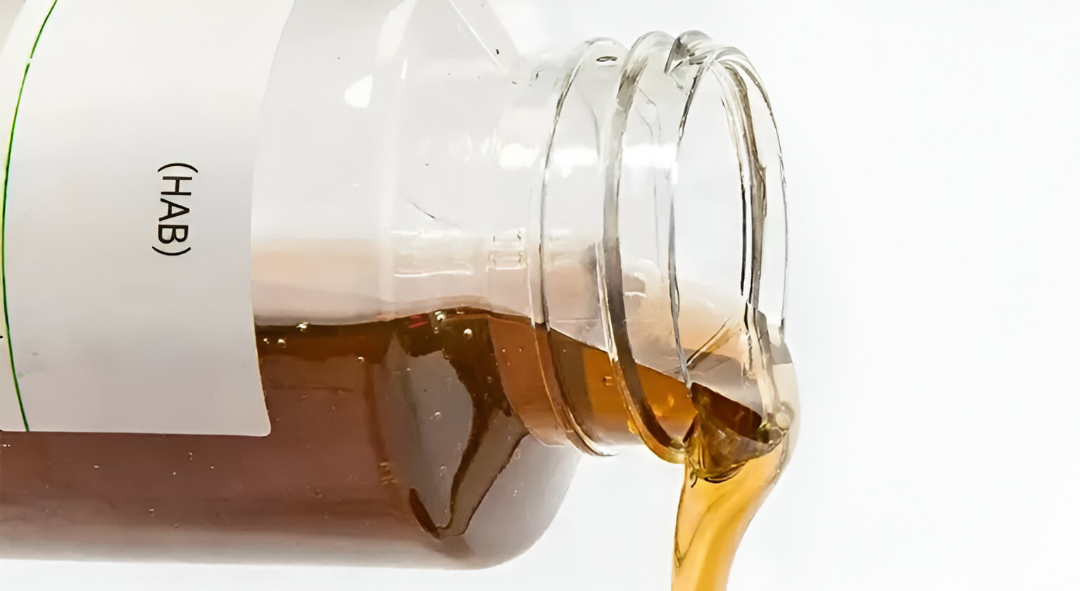
This aromatic hydrocarbon appears as a colorless to pale yellow liquid with a mild aromatic odor. Its molecular structure gives it distinctive advantages over lighter alternatives, including higher viscosity, greater thermal stability, lower volatility, and strong hydrophobic characteristics.
These properties collectively make Heavy Alkyl Benzene an exceptionally versatile chemical intermediate used in surfactant production, lubricant manufacturing, industrial solvent formulations, oilfield operations, and numerous other industrial processes.
How Is Heavy Alkyl Benzene Produced?
HAB is generated during the alkylation process used to manufacture LAB. In this process, benzene reacts with linear olefins in the presence of a catalyst — typically hydrofluoric acid (HF) or aluminum chloride (AlCl₃) — through a Friedel-Crafts alkylation reaction.
During this reaction, heavier fractions with longer and more branched alkyl chains are separated from the primary LAB product stream. These heavier fractions are collected, purified, and processed to produce commercial-grade Heavy Alkyl Benzene.
The quality and composition of the final HAB product depend on several factors, including the type of catalyst used, feedstock purity, reaction temperature, and distillation parameters.
Key Properties and Specifications of Heavy Alkyl Benzene (HAB)
Understanding the physical and chemical properties of HAB is critical for selecting the right grade and application. Below is a detailed specifications table:
| Property | Specification |
|---|---|
| Chemical Name | Heavy Alkyl Benzene |
| Molecular Formula | C₁₈H₃₀ (varies with alkyl chain length) |
| CAS Number | 68908-15-8 |
| Appearance | Clear, colorless to pale yellow liquid |
| Odor | Mild aromatic |
| Boiling Point | 350–400°C |
| Flash Point | >150°C |
| Density (at 25°C) | ~0.85–0.87 g/cm³ |
| Viscosity | Medium to high (varies by grade) |
| Solubility in Water | Insoluble |
| Solubility in Organic Solvents | Soluble in alcohols, ethers, and hydrocarbons |
| Volatility | Low |
| Thermal Stability | Excellent |
| Biodegradability | Moderate |
These specifications confirm that Heavy Alkyl Benzene offers outstanding chemical stability, making it suitable for high-temperature operations and demanding industrial environments where performance and reliability are non-negotiable.
Heavy Alkyl Benzene vs. Linear Alkyl Benzene (LAB): What’s the Difference?
Since HAB is derived from the same production process as LAB, buyers often ask how these two chemicals differ and when to use one over the other.
| Feature | Heavy Alkyl Benzene (HAB) | Linear Alkyl Benzene (LAB) |
|---|---|---|
| Molecular Weight | Higher | Lower |
| Alkyl Chain Structure | Branched, heavier fractions | Linear, lighter fractions |
| Viscosity | Higher | Lower |
| Volatility | Lower | Higher |
| Biodegradability | Moderate | High |
| Primary Use | Lubricants, industrial solvents, oilfield chemicals | Biodegradable detergents, surfactants |
| Thermal Stability | Superior | Good |
| Cost | Generally lower | Generally higher |
In summary, LAB is the preferred choice for biodegradable household detergents, while Heavy Alkyl Benzene excels in heavy-duty industrial applications requiring higher viscosity, thermal endurance, and chemical resistance. Many manufacturers use both chemicals in complementary formulations to achieve optimal performance.
Grades of Heavy Alkyl Benzene
Heavy Alkyl Benzene is commercially available in multiple grades, each engineered to meet specific industrial requirements:
HAB-L (Low Viscosity Grade)
This grade features a lighter, more fluid consistency, making it ideal for applications requiring easy blending and rapid dispersion. Common uses include:
- Industrial solvents
- Specialty chemical formulations
- Light-duty surfactant blends
- Paint and coating additives
HAB-S (Standard Grade)
The most widely used grade, HAB-S offers a balanced combination of viscosity, stability, and compatibility. It is suitable for:
- Surfactant and detergent production
- General-purpose lubricant formulations
- Chemical intermediate applications
- Textile processing chemicals
HAB-H (High Viscosity Grade)
Engineered for the most demanding applications, HAB-H provides superior viscosity retention and thermal stability at elevated temperatures. It is commonly used in:
- Heavy-duty industrial lubricants and greases
- Oilfield drilling fluids and mud formulations
- High-temperature processing chemicals
- Specialty rubber and polymer additives
Every grade undergoes rigorous quality control testing — including purity analysis, viscosity measurement, color assessment, and flash point verification — to ensure consistency and compliance with international standards.
Industrial Applications of Heavy Alkyl Benzene
The exceptional chemical stability, high viscosity, low volatility, and hydrophobic nature of HAB make it a versatile raw material across numerous industries. Below are the key application areas:
Detergent and Surfactant Manufacturing
Heavy Alkyl Benzene serves as a core ingredient in heavy-duty surfactant formulations for household, commercial, and industrial cleaning products. It enhances grease-cutting power, foam stability, and cleaning efficiency. Manufacturers frequently blend HAB with LAB to produce high-performance detergent bases that balance cleaning strength with biodegradability.
Lubricant and Grease Production
HAB is widely used in formulating automotive lubricants, industrial greases, transformer oils, and process oils that demand high-temperature stability, oxidation resistance, and long-lasting viscosity. Its molecular weight and thermal endurance make it an excellent base oil component.
Industrial Solvents
Thanks to its compatibility with oil-based systems and excellent solvency power, HAB functions as a reliable solvent in paints, coatings, adhesives, printing inks, and specialty chemical formulations. Its low volatility also reduces VOC emissions compared to lighter solvents.
Oilfield and Petroleum Chemicals
In the oil and gas industry, Heavy Alkyl Benzene enhances the performance of drilling fluids, mud formulations, completion fluids, and enhanced oil recovery (EOR) processes. Its thermal stability and lubricity improve drilling efficiency and reduce equipment wear in downhole operations.
Chemical Intermediates and Additives
HAB serves as a precursor for manufacturing various chemical intermediates, including plasticizers, pour point depressants, emulsifiers, corrosion inhibitors, and specialty performance additives used across multiple industrial sectors.
Textile Industry
In textile processing, HAB is applied in finishing agents, softener formulations, and industrial laundry surfactants. It improves fabric softness, color retention, and detergent compatibility while maintaining consistent performance across different fiber types.
Cosmetics and Personal Care Products
HAB is incorporated into heavy-duty surfactant blends for shampoos, body washes, liquid soaps, and industrial cleansing agents. It provides enhanced foaming, emulsification, and cleansing performance in formulations designed for challenging cleaning conditions.
Paints, Coatings, and Rubber Industries
In the coatings sector, HAB functions as a hydrophobic modifier and processing aid that improves durability, spreadability, adhesion, and chemical resistance. In rubber manufacturing, it serves as a processing oil that enhances flexibility and aging resistance.
Pulp and Paper Industry
HAB is utilized in paper sizing agents, defoamers, and emulsion formulations that improve water resistance, surface smoothness, and printability of finished paper and packaging products.
Agricultural Chemicals
In agrochemical formulations, Heavy Alkyl Benzene acts as a wetting agent, carrier solvent, and emulsifier in pesticide, herbicide, and fungicide products. It improves active ingredient dispersion, spray coverage, and overall field efficacy.
Packaging, Storage, and Container Loading
HAB is supplied in packaging formats optimized for safe transportation, efficient storage, and easy handling:
Available Packaging Options
| Packaging Type | Capacity | Best For |
|---|---|---|
| HDPE Drums | 220 kg each | Small to medium-scale operations |
| IBC Totes | 1,000 liters each | Bulk industrial orders |
| Flexitanks | 18–24 tons per unit | Large-scale international exports |
| ISO Tank Containers | Up to 26 tons | High-volume, recurring shipments |
Container Loading Specifications
| Container Size | Approximate Capacity |
|---|---|
| 20-foot container | 18–20 metric tons |
| 40-foot container | 35–38 metric tons |
Actual loading capacity may vary depending on packaging type, stacking configuration, and weight restrictions specific to the destination port or country.
Storage Recommendations
- Store in a cool, dry, and well-ventilated warehouse away from direct sunlight.
- Keep containers tightly sealed when not in use to prevent contamination.
- Maintain storage temperature between 10°C and 40°C.
- Store away from strong oxidizers, open flames, and ignition sources.
- Follow FIFO (First In, First Out) inventory practices to ensure product freshness.
- Shelf life: Typically 24 months when stored under recommended conditions.
Safety, Handling, and Regulatory Compliance
Proper handling of Heavy Alkyl Benzene is essential to protect personnel, equipment, and the environment. Follow these guidelines to ensure safe operations:
Personal Protective Equipment (PPE)
- Chemical-resistant gloves (nitrile or neoprene recommended)
- Safety goggles or splash-proof face shields
- Protective clothing (long sleeves, chemical-resistant apron)
- Respiratory protection if ventilation is insufficient
Safe Handling Practices
- Always work in well-ventilated areas or use local exhaust ventilation to minimize vapor inhalation.
- Avoid prolonged or repeated skin contact.
- Do not eat, drink, or smoke while handling HAB.
- Wash hands thoroughly after handling.
Emergency Measures
- Skin contact: Remove contaminated clothing immediately. Wash affected skin with soap and water for at least 15 minutes.
- Eye contact: Flush eyes with clean water for at least 15 minutes. Seek medical attention if irritation persists.
- Inhalation: Move the affected person to fresh air. Seek medical attention if symptoms develop.
- Spill management: Contain spills immediately using absorbent materials (sand, vermiculite). Prevent entry into drains, waterways, or soil. Dispose of waste according to local environmental regulations.
Regulatory Compliance
All HAB products should comply with applicable international regulations, including:
- GHS (Globally Harmonized System of Classification and Labelling)
- REACH (Registration, Evaluation, Authorisation and Restriction of Chemicals — EU)
- OSHA (Occupational Safety and Health Administration — US)
- IMDG Code (International Maritime Dangerous Goods — for sea transport)
- Local environmental and transportation regulations
Material Safety Data Sheets (MSDS/SDS) should accompany every shipment and be readily accessible at all handling and storage locations.
Why Choose Our Heavy Alkyl Benzene?
When sourcing HAB for your business, quality, consistency, and reliable supply matter. Here is what sets our products apart:
- ✅ Premium Quality: Every batch undergoes strict quality control testing for purity, color, viscosity, and flash point.
- ✅ Multiple Grades Available: HAB-L, HAB-S, and HAB-H to match your exact application requirements.
- ✅ Competitive Pricing: Factory-direct pricing with flexible payment terms for bulk orders.
- ✅ Global Logistics Expertise: Experienced export team handling shipments worldwide via drums, IBC totes, flexitanks, and ISO tanks.
- ✅ Full Documentation: COA (Certificate of Analysis), MSDS/SDS, and all required export documents provided with every order.
- ✅ Industry Certifications: ISO 9001 and ISO 14001 certified manufacturing and supply chain.
- ✅ Dedicated Technical Support: Our chemical engineers are available to help you select the right grade and optimize your formulations.
Frequently Asked Questions About Heavy Alkyl Benzene
What is Heavy Alkyl Benzene used for?
Heavy Alkyl Benzene is used in the production of surfactants, detergents, industrial lubricants, solvents, oilfield chemicals, textile processing agents, agricultural emulsifiers, and various chemical intermediates. Its high viscosity and thermal stability make it suitable for demanding industrial applications.
What is the difference between HAB and LAB?
HAB consists of heavier, branched molecular fractions, while LAB contains lighter, linear fractions. LAB is primarily used for biodegradable detergents, whereas HAB is preferred for heavy-duty industrial applications requiring higher viscosity and thermal resistance.
Is Heavy Alkyl Benzene hazardous?
HAB is generally classified as a low-toxicity chemical. However, it can cause skin and eye irritation upon prolonged contact. Proper PPE and ventilation should always be used during handling. Refer to the product’s MSDS/SDS for detailed hazard information.
How should Heavy Alkyl Benzene be stored?
Store HAB in tightly sealed containers in a cool, dry, and well-ventilated area away from direct sunlight, heat sources, and strong oxidizing agents. Recommended storage temperature is between 10°C and 40°C.
What is the shelf life of HAB?
When stored under recommended conditions, Heavy Alkyl Benzene typically has a shelf life of approximately 24 months.
What packaging options are available for HAB?
HAB is available in 220 kg HDPE drums, 1,000-liter IBC totes, flexitanks, and ISO tank containers to accommodate orders of all sizes.
Can HAB be used in food-grade or pharmaceutical applications?
Standard industrial-grade HAB is not intended for food-contact or pharmaceutical use. Specialized grades with additional purification may be available upon request — consult your supplier for specific requirements.
How do I request a quote for Heavy Alkyl Benzene?
Contact our sales team directly through the inquiry form below or email us at [your email]. We provide competitive quotes, technical data sheets, and samples for qualified buyers.
Get a Quote for Heavy Alkyl Benzene Today
Ready to source premium-quality Heavy Alkyl Benzene for your business? Whether you need a single drum or full container loads, our team is here to help.
📩 Request a Quote | 📞 Contact Our Sales Team
TDS of Heavy Alkyl Benzene (HAB)
| PROPERTY | TEST METHOD | SPECIFICATION | TYPICAL VALUE |
|---|---|---|---|
| Density at 20°C ,gr/cm3 | ASTM D-4052-96 | Less Than 0.895 | 0.8726 |
| Viscosity at 37.8 °C, cSt | ASTM D-445-01 | 15 – 50 | 23.1 |
| ASTM Color | ASTM D-1500-91 | Less Than 2 | L –1.0 |
| Doctor Test | ASTM D-4952-97 | Negative | Negative |
| Moisture, ppm | UOP 481-91 | Less Than 200 | 10 |
| Flash Point, °C | ASTM D-93-99 | 170 min | 200 |