
- Diethylene Glycol Supplier: Secure Bulk 99% DEG Shipments
- Bulk Diethylene Glycol (DEG) 99.8% for Resin, Antifreeze and Gas Plants
- Diethylene Glycol Specification: Technical Data Sheet
- Physical and Chemical Properties of Diethylene Glycol
- Diethylene Glycol Uses: Where DEG Goes
- DEG vs MEG vs TEG vs MPG: Which Glycol Do You Need?
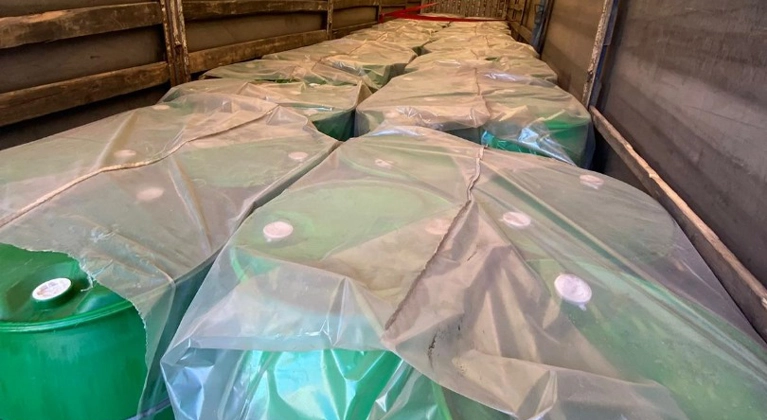
- Diethylene Glycol Packing and Container Loading
- Buying Diethylene Glycol in Bulk: Terms and Documents
- Diethylene Glycol Price: What Drives It
- Why Buyers Choose Us as Their Diethylene Glycol Supplier
- Diethylene Glycol Supplier: Frequently Asked Questions
- Request a Quotation from Your Diethylene Glycol Supplier
Bulk Diethylene Glycol (DEG) 99.8% for Resin, Antifreeze and Gas Plants
SUHA International Trading is a diethylene glycol supplier and exporter with offices in Dubai (UAE) and Ankara (Türkiye). We supply industrial-grade diethylene glycol (DEG) with 99.8% minimum purity in HDPE drums, 1,000 kg IBCs and ISO tanks, loaded at Jebel Ali or Mersin. Minimum order is one full container load (1 × 20ft FCL), quoted FOB, CFR or CIF, with a certificate of analysis for every batch.
Diethylene glycol, also called DEG, diglycol, 2,2′-oxydiethanol or ethylene diglycol, is a clear, odourless and hygroscopic liquid. It is made as a co-product of monoethylene glycol (MEG) and is bought mainly by unsaturated polyester resin makers, polyol and plasticiser producers, gas processing plants, antifreeze blenders and solvent users.
As a bulk diethylene glycol supplier, we publish the full specification we ship against, state packing and container loads in plain numbers and handle export documents from one desk.
- FormulaC₄H₁₀O₃
- CAS No.111-46-6
- HS code2909.41
- Purity99.8% min
- PackingDrum · IBC · ISO tank
- MOQ1 × 20ft FCL
Diethylene Glycol Specification: Technical Data Sheet
This is the specification we supply DEG against, with the ASTM test method for each parameter. Every shipment is released with a certificate of analysis showing the actual batch results.
| Test | Value | Test method |
|---|---|---|
| Purity | 99.8 wt.% min | ASTM E202 |
| Monoethylene glycol (MEG) | 0.05 wt.% max | ASTM E202 |
| Triethylene glycol (TEG) | 0.05 wt.% max | ASTM E202 |
| Water content | 0.05 wt.% max | ASTM E202 |
| Acidity as acetic acid | 50 ppm max | ASTM D1613 |
| Ash content | 50 ppm max | DC-254/A |
| Specific gravity (20/20 °C) | Reported on COA | ASTM D891 |
| Colour | 10 Pt-Co max | ASTM E1209 |
| Distillation @ 760 mmHg, IBP | 242 °C min | ASTM D1078 |
| Distillation @ 760 mmHg, DP | 250 °C max | ASTM D1078 |
IBP = initial boiling point; DP = dry point. Specific gravity is measured on each batch and shown on the certificate of analysis.
Diethylene glycol (DEG) – technical data sheet (PDF)
Purity · MEG · TEG · water · acidity · ash · colour · distillation
Physical and Chemical Properties of Diethylene Glycol
Reference data for pure diethylene glycol, useful for process design, storage and safety planning.
| Property | Value |
|---|---|
| Chemical name | Diethylene glycol (2,2′-oxydiethanol) |
| Other names | DEG, diglycol, ethylene diglycol, bis(2-hydroxyethyl) ether |
| Formula / CAS No. | C₄H₁₀O₃ – (HOCH₂CH₂)₂O / 111-46-6 |
| EC number | 203-872-2 |
| Molar mass | 106.12 g/mol |
| Appearance | Clear, colourless, odourless, viscous liquid |
| Density at 20 °C | 1.118 g/cm³ |
| Boiling point | 245 °C (473 °F) |
| Freezing point | −10.4 °C (13 °F) |
| Flash point (closed cup) | 124 °C |
| Auto-ignition temperature | 229 °C |
| Refractive index (20 °C) | 1.447 |
| Solubility | Miscible with water, alcohols, acetone and other glycols |
| HS code | 2909.41 |
Reference values from PubChem (CID 8117) and the International Chemical Safety Cards.
Diethylene Glycol Uses: Where DEG Goes
Most diethylene glycol is consumed as a chemical building block, not as a finished product. These are the main uses our buyers supply into.
Unsaturated polyester resins (UPR)
The largest use. DEG reacts with maleic and phthalic anhydride to make flexible, tough unsaturated polyester resins for fibreglass boats, pipes, tanks, panels and cultured marble.
Polyester polyols and polyurethanes
DEG is a diol in polyester polyols for polyurethane foams, coatings, adhesives and elastomers, and a chain extender in some polyurethane systems.
Plasticisers and morpholine
DEG is esterified to make plasticisers such as DEG dibenzoate for PVC and adhesives, and it is the feedstock for morpholine, a corrosion inhibitor and rubber chemical.
Natural gas dehydration
Gas plants use glycols to absorb water from natural gas and prevent hydrates. DEG is used in some units, while triethylene glycol (TEG) is the standard dehydration glycol.
Antifreeze and heat-transfer blends
DEG is blended with monoethylene glycol in some antifreeze, coolant and heat-transfer formulations. MEG remains the main antifreeze glycol.
Solvent, humectant and grinding aid
DEG is a solvent and moisture-retaining agent in printing inks, dyes, textile and leather lubricants, paper and adhesives, and a grinding aid in cement mills.
Industrial use only. Diethylene glycol is toxic if swallowed and must never be used in medicines, syrups, food, beverages, toothpaste or other products for oral use. Contamination of medicines with DEG has caused fatal poisonings. We supply industrial-grade DEG only and do not sell it for pharmaceutical, food or cosmetic use.
DEG vs MEG vs TEG vs MPG: Which Glycol Do You Need?
Buyers often compare diethylene glycol with the other glycols we supply. They behave differently and are not interchangeable without checking your process.
| Glycol | Boiling point | Main uses | Note |
|---|---|---|---|
| MEG (monoethylene glycol) | 197 °C | PET fibre and resin, antifreeze | Main product of ethylene oxide hydration |
| DEG (diethylene glycol) | 245 °C | Polyester resins, polyols, plasticisers, solvents | Co-product of MEG; harmful if swallowed |
| TEG (triethylene glycol) | 285 °C | Natural gas dehydration, plasticisers | Lowest volatility of the three ethylene glycols |
| MPG (monopropylene glycol) | 188 °C | Resins, food, pharma and cosmetics (USP grade) | Low toxicity; made from propylene oxide |
See also our pages on ethylene glycol and MEG for PET resin.
Diethylene Glycol Packing and Container Loading
| Packing | Net weight | Per 20ft container | Best for |
|---|---|---|---|
| HDPE drum | 200 or 250 kg | About 80 drums (16–20 MT) | Distributors and smaller plants |
| IBC tote | 1,000 kg | 20 IBCs (20 MT) | Mid-size users with forklift handling |
| ISO tank | 21–24 MT | 1 ISO tank | Resin and polyol plants with bulk tanks |
Plan your order
Enter the quantity you need to see how many packages and containers it takes.
Estimate only. Final package and container counts are confirmed on the packing list for each contract.
Storage and handling
- Keep it dry: DEG absorbs moisture from the air, so keep drums, IBCs and tanks closed, and use a nitrogen blanket or desiccant breather on bulk tanks.
- Tank materials: stainless steel, aluminium or lined carbon steel tanks and HDPE drums are suitable.
- Temperature: store away from heat and direct sun; DEG freezes at about −10 °C.
- Keep it apart: separate from strong oxidisers and strong acids.
- Protect people: wear gloves and goggles, wash hands after handling, and never eat, drink or smoke in the work area.
Buying Diethylene Glycol in Bulk: Terms and Documents
Who we supply
- Unsaturated polyester resin makers
- Polyol, polyurethane and plasticiser producers
- Gas processing and oilfield service companies
- Antifreeze and coolant blenders
- Chemical distributors and importers
Commercial terms
- MOQ: one full container (1 × 20ft FCL)
- Incoterms: FOB Jebel Ali, FOB Mersin, CFR or CIF
- Lead time: 7–10 days from order to loading
- Packing: drums, IBCs or ISO tanks
- Payment terms agreed per contract
Documents with every shipment
- Commercial invoice and packing list
- Bill of lading
- Certificate of origin
- Certificate of analysis per batch
- Safety Data Sheet (SDS)
- Technical data sheet
What to include in your RFQ
- Quantity in MT and number of containers
- Packing: drums, IBCs or ISO tank
- Destination port and Incoterm
- Preferred origin: Jebel Ali or Mersin
- Required shipment month
- End use and any specification you must meet
Diethylene Glycol Price: What Drives It
There is no exchange-traded benchmark for diethylene glycol, so the DEG price per ton is set contract by contract. These are the factors that move it:
- MEG production rates – DEG is a co-product of MEG, so its supply rises and falls with MEG plant output.
- Ethylene and energy costs – the main cost drivers at the producer.
- Demand from resin and polyol makers – unsaturated polyester resin demand follows construction, marine and automotive activity.
- Packing – drums and IBCs cost more per tonne than ISO tank shipments.
- Freight and route – container and ISO tank freight to your port, and route disruptions, change the delivered price.
For a current diethylene glycol price, send your quantity, packing and destination port. We reply with a dated FOB, CFR or CIF quotation.
Why Buyers Choose Us as Their Diethylene Glycol Supplier
- Published specification: the full DEG technical data sheet with ASTM methods is on this page, with a certificate of analysis on every batch.
- Two origins, one desk: Jebel Ali for the Gulf, Asia and East Africa; Mersin for Europe, the Mediterranean, West Africa and the Americas.
- All packing formats: drums, IBCs and ISO tanks, so you buy the format your site can receive.
- Full glycol range: MEG, DEG, TEG and MPG from the same supplier, which simplifies mixed orders.
- Responsible supply: industrial-grade DEG sold for industrial uses only.
Diethylene Glycol Supplier: Frequently Asked Questions
What is diethylene glycol used for?
Diethylene glycol is used mainly to make unsaturated polyester resins, polyester polyols for polyurethanes, plasticisers and morpholine. It is also used in natural gas dehydration, antifreeze and heat-transfer blends, and as a solvent and humectant in inks, dyes, textiles and cement grinding aids.
Is diethylene glycol toxic?
Yes. Diethylene glycol is classified as harmful if swallowed (H302), and swallowing it can cause severe kidney damage and death. It must never be used in medicines, food, beverages or oral-care products. With normal industrial handling, gloves and goggles, it is used safely in resin, polyol and gas plants.
What is the difference between DEG and MEG?
MEG (monoethylene glycol) is the main product of ethylene oxide hydration and is used for PET and antifreeze; it boils at 197 °C. DEG (diethylene glycol) is a co-product with a higher boiling point of 245 °C, used mainly for polyester resins, polyols and plasticisers.
What is the difference between DEG and TEG?
TEG (triethylene glycol) has one more ethylene oxide unit than DEG, a higher boiling point of about 285 °C and lower volatility, which makes it the standard glycol for natural gas dehydration. DEG is cheaper per tonne and is used more in resins, polyols and plasticisers.
Is diethylene glycol the same as ethylene glycol?
No. Ethylene glycol usually means monoethylene glycol (MEG, C₂H₆O₂). Diethylene glycol (C₄H₁₀O₃) is two ethylene glycol units joined by an ether bond, with a higher boiling point and different uses.
What is the CAS number of diethylene glycol?
The CAS number of diethylene glycol is 111-46-6. Its EC number is 203-872-2, its formula is C₄H₁₀O₃ and its molar mass is 106.12 g/mol.
What is the HS code for diethylene glycol?
Diethylene glycol is classified under HS code 2909.41, 2,2′-oxydiethanol (diethylene glycol, digol). Countries add their own national digits to this six-digit code.
What is the density of diethylene glycol?
The density of diethylene glycol is about 1.118 g/cm³ at 20 °C, so one litre weighs about 1.12 kg and 1,000 litres weigh about 1.12 metric tons.
What is the boiling point and freezing point of DEG?
Diethylene glycol boils at 245 °C (473 °F) and freezes at about −10.4 °C (13 °F). Its closed-cup flash point is 124 °C.
Is diethylene glycol soluble in water?
Yes. Diethylene glycol is fully miscible with water in all proportions, and also with alcohols, acetone and other glycols. It absorbs moisture from the air, so containers should be kept closed.
Is diethylene glycol flammable?
Diethylene glycol is combustible but not easily ignited: its flash point is 124 °C (closed cup). It is generally not classified as dangerous goods for sea transport, but always follow the SDS for the batch shipped.
Do you provide an SDS (MSDS) for diethylene glycol?
Yes. Every shipment comes with a Safety Data Sheet and a certificate of analysis. The technical data sheet for our DEG can be downloaded on this page.
What is the price of diethylene glycol per ton?
The diethylene glycol price per ton depends on MEG plant output, ethylene and energy costs, packing, quantity and freight to your port. There is no public benchmark, so send your quantity, packing and destination for a dated quotation.
What is the minimum order quantity for DEG?
Our minimum order is one full container load (1 × 20ft FCL): about 80 drums, 20 IBCs or one ISO tank, depending on the packing you choose.
How is bulk diethylene glycol packed and shipped?
We ship DEG in 200 or 250 kg HDPE drums, 1,000 kg IBC totes or 21–24 MT ISO tanks, loaded at Jebel Ali (UAE) or Mersin (Türkiye). Lead time is 7–10 days from order to loading.
Can diethylene glycol be used in cosmetics or medicines?
No. We supply industrial-grade diethylene glycol only. DEG must not be used in medicines, syrups, food, toothpaste or cosmetics; for those uses buyers need pharmaceutical-grade glycols such as USP monopropylene glycol or glycerine from approved sources.
Request a Quotation from Your Diethylene Glycol Supplier
Tell us the quantity, packing, destination port and shipment month. We reply with a dated FOB, CFR or CIF quotation, the technical data sheet and the SDS.
Email: info@causticsodaco.com