
Supplier of Benzene from Turkey and Dubai-UAE
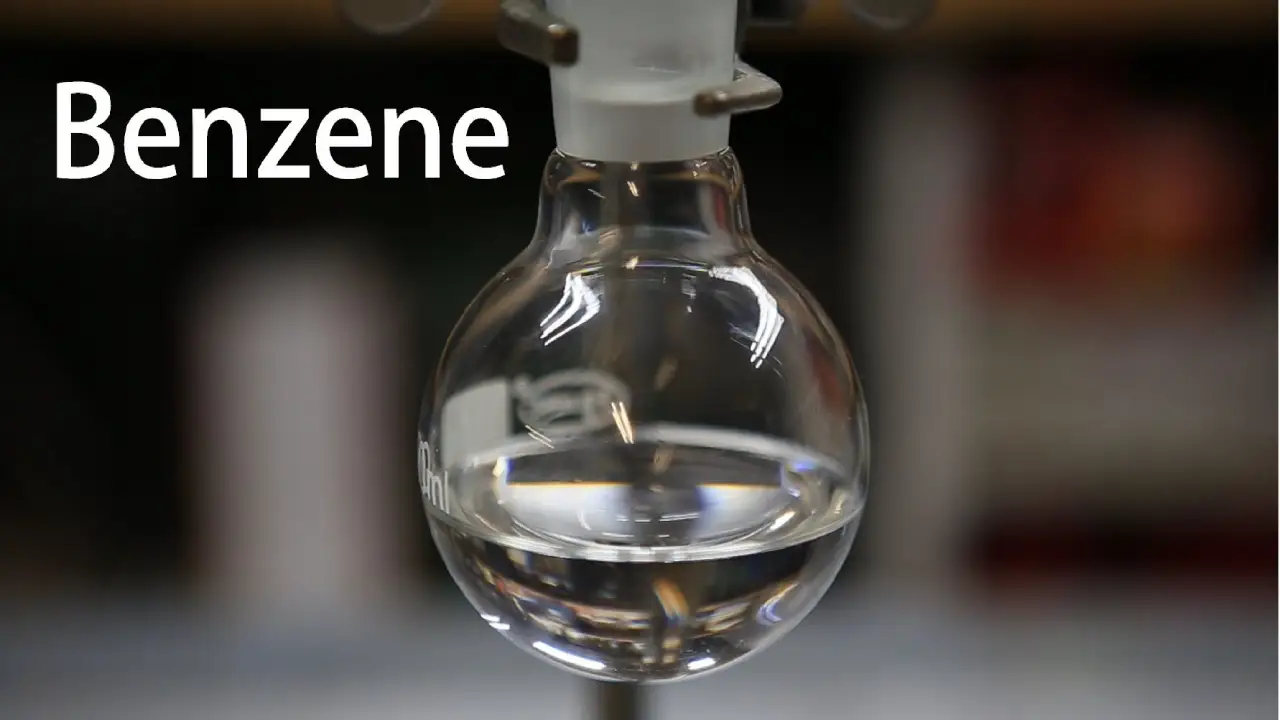
What is Benzene?
Benzene (chemical formula: C₆H₆) is a colorless, highly flammable liquid hydrocarbon known for its sweet, aromatic odor. It is a naturally occurring component of crude oil and a major petrochemical produced by refining processes such as catalytic reforming. Benzene serves as one of the most essential building blocks in the chemical industry, used in the production of numerous polymers, resins, and synthetic fibers.
Benzene is characterized by its cyclic molecular structure — a six-carbon ring with alternating double bonds — giving it remarkable stability and reactivity. It evaporates quickly and dissolves easily in organic solvents but is slightly soluble in water.
Physical and Chemical Properties of Benzene
-
Chemical Formula: C₆H₆
-
Molecular Weight: 78.11 g/mol
-
Appearance: Colorless, transparent liquid
-
Odor: Sweet, aromatic smell
-
Boiling Point: 80.1°C
-
Melting Point: 5.5°C
-
Flash Point: -11°C (closed cup)
-
Density: 0.879 g/cm³ at 20°C
-
Solubility: Slightly soluble in water; miscible with organic solvents
-
Stability: Stable under normal conditions; flammable and volatile
Grades and Types of Benzene
Benzene is available in various industrial grades, depending on purity and application:
-
Industrial Grade Benzene: Commonly used for chemical manufacturing and solvent applications.
-
Laboratory Grade Benzene: High-purity benzene for analytical and research purposes.
-
Petrochemical Grade Benzene: Used as a raw material in the synthesis of downstream chemicals such as styrene, cumene, and cyclohexane.
Applications and Uses of Benzene
Benzene is a vital raw material in modern industries. Its chemical versatility allows it to serve as a precursor for many everyday products and industrial materials.
1. Chemical Manufacturing
Benzene is used to produce essential chemicals such as styrene, cumene, aniline, and cyclohexane, which are further processed into plastics, resins, and synthetic fibers.
2. Plastics and Polymers
Used in manufacturing polystyrene, nylon, and synthetic rubber, making it integral to automotive, packaging, and consumer goods industries.
3. Detergent Industry
Benzene is used in producing Linear Alkylbenzene (LAB), a key raw material for making Linear Alkylbenzene Sulfonate (LABSA) — one of the most common surfactants in detergents and cleaning agents.
4. Pharmaceuticals
Used as an intermediate in the synthesis of drugs, dyes, and chemical reagents.
5. Solvent Applications
Benzene serves as a powerful solvent for fats, waxes, and resins in laboratory and industrial applications.
Handling, Safety, and Storage of Benzene
Due to its flammable and toxic nature, Benzene requires strict handling and storage precautions:
-
Handling: Use only in well-ventilated areas. Avoid inhalation and direct contact with skin or eyes.
-
Storage: Store in tightly sealed containers, away from heat, sparks, and direct sunlight.
-
Safety Gear: Wear gloves, protective eyewear, and respirators during handling.
-
Spill Management: Contain leaks immediately and use absorbent materials to clean up safely.
Packaging and Container Loading
Benzene is typically shipped in steel drums, ISO tanks, or bulk tankers, depending on quantity and customer requirements.
Packaging Options:
-
Drums: 200-liter steel drums (approximately 175 kg per drum)
-
ISO Tanks: For large-scale international shipments
-
Bulk: Available for high-volume industrial use
Container Loading Details:
-
20’ FCL: Approx. 80 drums (≈12.8 tons)
-
ISO Tank: Capacity up to 20–22 tons
Specification of Benzene
| Property | Specification |
|---|---|
| Chemical Formula | K₂SiO₃ |
| Appearance | Clear to translucent liquid or white solid |
| Solubility | Soluble in water |
| pH (1% Solution) | 11 – 13 |
| SiO₂ Content | 25% – 35% |
| K₂O Content | 10% – 15% |
| Density | 1.3 – 1.6 g/cm³ |
| Form | Liquid / Solid |