
Clcium Chloride Supplier From Turkey and UAE
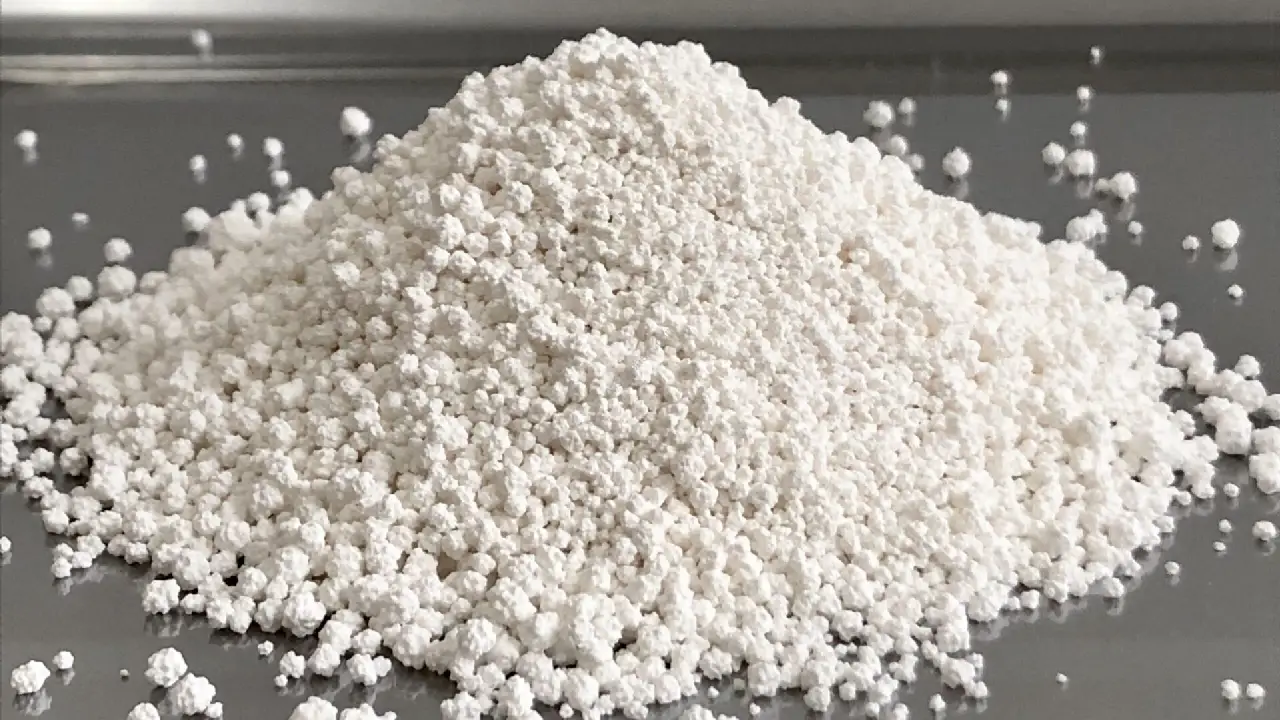
Description of Calcium Chloride
Calcium Chloride (CaCl₂) is a highly soluble, hygroscopic inorganic salt widely used across industrial, commercial, food, and oil & gas sectors. Due to its strong moisture-absorbing capacity, exothermic dissolution, and freezing point depression properties, calcium chloride is considered one of the most versatile and performance-driven chloride salts available.
As a specialized calcium chloride supplier, high-quality CaCl₂ is available in industrial, food-grade (E509), and specialty grades, supplied in flakes, pellets, and liquid solutions to meet the requirements of construction, road maintenance, oilfield operations, food processing, and manufacturing industries.
This guide provides a clear technical overview of calcium chloride, its properties, grades, applications, safety considerations, and selection criteria.
What Is Calcium Chloride?
Calcium chloride (CaCl₂) is a highly soluble, hygroscopic inorganic salt. It is widely used as:
- An ice melt and de-icing agent is effective at very low temperatures
- A dust suppressant for unpaved roads and industrial yards
- A concrete accelerator in cold-weather construction
- A desiccant for moisture control in packaging and air-drying systems
- A food additive (E509) for texture control and mineral fortification
Because of its versatility and relatively low cost, calcium chloride is an essential material for many industrial and commercial operations.
Quick Facts Calcium Chloride (CaCl₂)
-
Chemical Formula: CaCl₂
-
CAS Number: 10043-52-4
-
Molecular Weight: 110.98 g/mol
-
Appearance: White to off-white solid or clear liquid
-
Solubility in Water (20°C): ~74.5 g/100 mL
-
Melting Point (Anhydrous): ~772°C
-
Effective Ice-Melting Temperature: Down to approx. −25°C (−13°F)
-
Food Additive Code: E509
-
Common Names: Calcium dichloride, CaCl2, ice-melt salt, de-icing salt
Key Properties and Technical Specifications
The performance of calcium chloride in de-icing, dust control, brines, and desiccant systems is driven by the following characteristics:
High Solubility and Exothermic Dissolution
Calcium chloride dissolves rapidly in water and releases heat during dissolution. This exothermic reaction allows it to melt ice faster and at lower temperatures than many alternative salts.
Hygroscopic and Deliquescent Nature
Calcium chloride actively attracts moisture from the air and can absorb multiple times its own weight in water. Under certain conditions, it dissolves in the absorbed moisture, making it highly effective for humidity control and dust suppression.
Freezing Point Depression
Calcium chloride solutions significantly lower the freezing point of water, enabling effective ice control well below 0°C.
pH Characteristics
Typical working solutions exhibit a mildly alkaline pH (approximately 8–9), suitable for many industrial and food-grade applications when used correctly.
Density
-
Anhydrous CaCl₂ Density: ~2.15 g/cm³
Grades and Forms of Calcium Chloride
As a CaCl₂ supplier, we offer multiple grades and physical forms to match specific application requirements.
Calcium Chloride Flakes (77–80% Purity)
Best for:
- Road and highway de-icing
- Dust suppression on unpaved roads, mines, and quarries
- Concrete acceleration in cold weather
Advantages:
- Cost-effective for large-scale applications
- Rapid dissolution in water
- Excellent surface coverage when spread or sprayed
Typical Packaging:
- 25 kg HDPE bags
- 1 MT (FIBC) bulk sacks
Calcium Chloride Pellets (94–97% Purity)
Best for:
- Oilfield operations (drilling, completion, workover)
- Industrial processes requiring high-purity calcium chloride brine
- Manufacturing of desiccants and specialty chemicals
Advantages:
- High purity and consistent quality
- Low dust and uniform particle size
- Easy handling and predictable dissolution
Common Applications:
- Hydraulic fracturing fluids
- Drilling muds and completion fluids
- Raw material for desiccant production
Liquid Calcium Chloride (30–40% Solution)
Best for:
- Food and beverage processing (food-grade E509 solutions)
- Wastewater treatment
- Dust control and moisture control via spraying systems
- Pre-wet de-icing applications
Advantages:
- Ready-to-use, controlled concentration
- Ideal for spray systems and continuous dosing
- Consistent performance in industrial processes
Main Applications and Uses of Calcium Chloride
De-Icing and Dust Control
Calcium chloride is one of the most effective ice melt chemicals available:
- Works at temperatures as low as −25°C (−13°F)
- Releases heat when dissolving, accelerating the melting of snow and ice
- Effective for roads, parking lots, walkways, and critical infrastructure
Compared to sodium chloride (rock salt), calcium chloride:
- Works at much lower temperatures
- Acts faster due to exothermic dissolution
- Is generally less corrosive when used correctly
Typical Application Rates (guideline only):
- De-icing: 5–10 lbs per 100 sq ft (depending on conditions)
- Pre-wet brine applications: according to local standards and surface conditions
Dust Suppression
On unpaved roads, industrial yards, and haul roads, calcium chloride flakes or liquid brine:
- Attract moisture and help bind fine particles
- Can reduce airborne dust by up to 50–80% under favorable conditions
- Improve air quality, visibility, and compliance with particulate matter regulations
Typical Application Rates:
- Dust control: 1–2 lbs per square yard (or equivalent in solution form), adjusted to traffic and soil conditions.
Oil and Gas Industry
Calcium chloride is a key component in oilfield brines and completion fluids:
- Shale stabilization: Helps prevent clay swelling and formation damage
- Wellbore pressure control: Used in high-temperature, high-pressure (HTHP) environments
- Density control: Brines can be prepared up to approx 11.6 ppg (pounds per gallon)
- Compatibility: Works well with common oilfield additives and other halide brines
Typical uses include:
- Drilling fluids
- Completion/workover fluids
- Packers and perforation fluids
As a bulk calcium chloride supplier, we can support large-volume requirements for drilling, stimulation, and production operations.
Food and Beverage Industry (Food-Grade E509)
Food‑grade calcium chloride (E509) is widely used in the food and beverage sector and is considered GRAS (Generally Recognized As Safe) by the FDA when used within approved limits.
Key Food Applications:
- Texture preservation:
- Maintains firmness in canned vegetables, tomatoes, and pickles
- Reduces softening and improves shelf life
- Cheese and tofu production:
- Acts as a coagulant in cheese and tofu manufacturing
- Helps optimize curd formation and yield
- Electrolyte and mineral fortification:
- Added to sports drinks, bottled water, and functional beverages
- Helps balance electrolyte profiles (alongside sodium, potassium, etc.)
- Brewing and beverage processing:
- Adjusts water hardness for consistent brewing conditions
- Supports yeast performance and flavor stability
Food-Grade Specifications:
- Meets FCC (Food Chemicals Codex) standards
- Strict heavy metal limits (typically <10 ppm, depending on spec)
- Produced and packed under hygienic conditions to protect food safety
Construction and Concrete Acceleration
In concrete applications, calcium chloride is used as a set accelerator, especially in cold weather:
- Can reduce initial setting time by 30–50% at around 2% by weight of cement
- Enables faster finishing and earlier formwork removal
- Improves early strength development (1‑day strength can increase significantly)
Important limitations:
- Not recommended for:
- Prestressed or pre-tensioned concrete
- Concrete with aluminum or sensitive embedded metals
- Applications where reinforcement corrosion is a critical concern
For reinforced concrete and prestressed structures, non-chloride accelerators are preferred to minimize the risk of steel corrosion.
Moisture Absorption and Drying (Desiccant Uses)
Due to its strong moisture affinity, calcium chloride is a popular desiccant and humidity control agent:
- Used in packaging for electronics, pharmaceuticals, and sensitive goods
- Employed in air dryers, dehumidifiers, and cargo protection systems
- Helps maintain low relative humidity in containers and storage areas
Under suitable conditions, calcium chloride desiccants can:
- Absorb several times their own weight in water
- Help maintain relative humidity levels below ~40% in enclosed spaces
Calcium Chloride Safety and Environmental Impact
Health & Safety Guidelines
When handling solid or liquid calcium chloride, follow standard chemical safety practices:
Personal Protective Equipment (PPE):
- Safety goggles or face shield
- Chemical-resistant gloves
- Dust mask or NIOSH‑approved respirator where dust or mist is present
- Protective clothing in high-exposure environments
Potential Hazards:
- Eye contact: Can cause irritation or severe discomfort; flush eyes with water for at least 15 minutes and seek medical attention.
- Skin contact: May irritate with prolonged exposure.
- Inhalation: Dust or mist may irritate the respiratory tract; ensure adequate ventilation.
- Ingestion: Low acute toxicity, but can irritate the gastrointestinal tract in large amounts.
Always consult the Safety Data Sheet (SDS) for detailed hazard, handling, and first-aid information.
Environmental Considerations
- Soil impact:
High application rates over time can increase soil salinity. Follow recommended dosages and avoid excessive runoff into vegetation. - Water quality:
Chloride ions can affect aquatic ecosystems at elevated concentrations. Responsible application and proper stormwater management are essential. - Alternatives for sensitive areas:
For environmentally sensitive locations, consider alternatives such as magnesium chloride or CMA (calcium magnesium acetate), depending on performance and regulatory needs.
Calcium Chloride vs. Sodium Chloride (Rock Salt)
Below is a basic comparison of calcium chloride and sodium chloride as de-icing agents:
| Feature | Calcium Chloride (CaCl₂) | Sodium Chloride (NaCl, Rock Salt) |
|---|---|---|
| Lowest Effective Temp | Down to approx. −25°C (−13°F) | Around −9°C (15°F) |
| Melting Speed | Fast (exothermic dissolution) | Slower (no heat release) |
| Corrosiveness | Moderate | Generally higher |
| Environmental Impact | Moderate (chlorides) | Higher chloride load in runoff |
| Best Use Case | Extreme cold, critical surfaces | General roads in milder climates |
For severe winter conditions, critical infrastructure, and high-performance de-icing, calcium chloride is usually the preferred choice.
How Is Calcium Chloride Produced?
Neutralization Process
Calcium chloride can be produced by reacting limestone or calcium hydroxide with hydrochloric acid:
CaCO₃ + 2 HCl → CaCl₂ + H₂O + CO₂
This process is commonly used for high-purity food-grade and pharmaceutical-grade calcium chloride (typically >99% purity after further processing).
Solvay Process (Byproduct)
Calcium chloride is also obtained as a byproduct of the Solvay process for sodium carbonate (soda ash) production. This route often supplies industrial-grade calcium chloride for de-icing, dust control, and brine uses.
Purification Steps:
- Filtration
- Evaporation and concentration
- Crystallization and drying
- Final processing into flakes, pellets, or liquid solutions
Packaging, Storage & Handling
Packaging Options
As a bulk calcium chloride distributor, we offer multiple packaging configurations:
- 25 kg HDPE bags – suitable for distributors and medium users
- 1 MT FIBC (bulk sacks) – ideal for large industrial and construction use
- ISO tanks / bulk liquid – for 30–40% liquid calcium chloride solutions
- Custom packaging – for pharmaceutical or specialized applications (on request)
Storage Recommendations
Do:
- Store in a cool, dry, well‑ventilated area
- Keep products in tightly sealed containers to minimize moisture uptake and caking
- Use corrosion-resistant materials (plastic, fiberglass, coated steel, stainless steel)
- Palletize bags to avoid direct contact with floors
- Rotate stock regularly (e.g., FIFO every 6–12 months)
Avoid:
- Exposure to high humidity or water
- Storing near incompatible materials (strong acids, oxidizers, certain metals)
- Damaged or open packaging, which can lead to product degradation
Your Trusted Calcium Chloride Supplier
We supply calcium chloride flakes, pellets, and liquid solutions in:
- Industrial grade – for de-icing, dust suppression, oil and gas brines, concrete acceleration, and general industrial use
- Food grade (E509) – for beverage, dairy, canning, and food processing applications
- Pharmaceutical and specialty grades – available on request with strict quality documentation
What we offer:
- Batch-specific Certificates of Analysis (COA)
- Bulk quantities (bags, big bags, and bulk tankers/ISO tanks)
- Custom liquid blends (typically 30–45% CaCl₂, tailored to your process)
- Technical support on product selection, dosage, and application methods
If you are searching for a reliable calcium chloride supplier, manufacturer, or distributor for your de-icing, industrial, or food-processing needs, our team can help specify the right grade, form, and packaging for your operation.
Contact our calcium chloride specialists to:
- Request pricing for bulk and container loads
- Obtain detailed technical data sheets and COAs
- Discuss customized formulations or logistics solutions
TECHNICAL DATASHEET OF CALCIUM CHLORIDE
| HARD FUSED / SOLID | DOUBLE FUSED | ANHYDROUS |
|---|---|---|
| Fused 72-75%Assay | Porous Fused 80-85% Assay | Anhydrous 94-98% Assay |
| Appearance: White Lumps (Powder not offered) | Appearance: White Lumps or Powder | Appearance: White Lumps or Powder |
| Magnesium 0.3% max | Magnesium 0.3% max. | Magnesium 0.3% max |
| Iron 100 ppm max. | Iron 100 ppm max. | Iron 100 ppm max |
| Dry Basis Assay 98% min | Dry Basis Assay 98% min | Dry Basis Assay 98% min |
| In 50 Kgs. HDPE bag with HMHDP liner. | In 50 Kgs. HDPE bag with double HMHDP liners | In 50 Kgs. HDPE bag with double HMHDP liners |