
Calcium Chloride in Drilling Fluids: Applications, Benefits, and Optimization
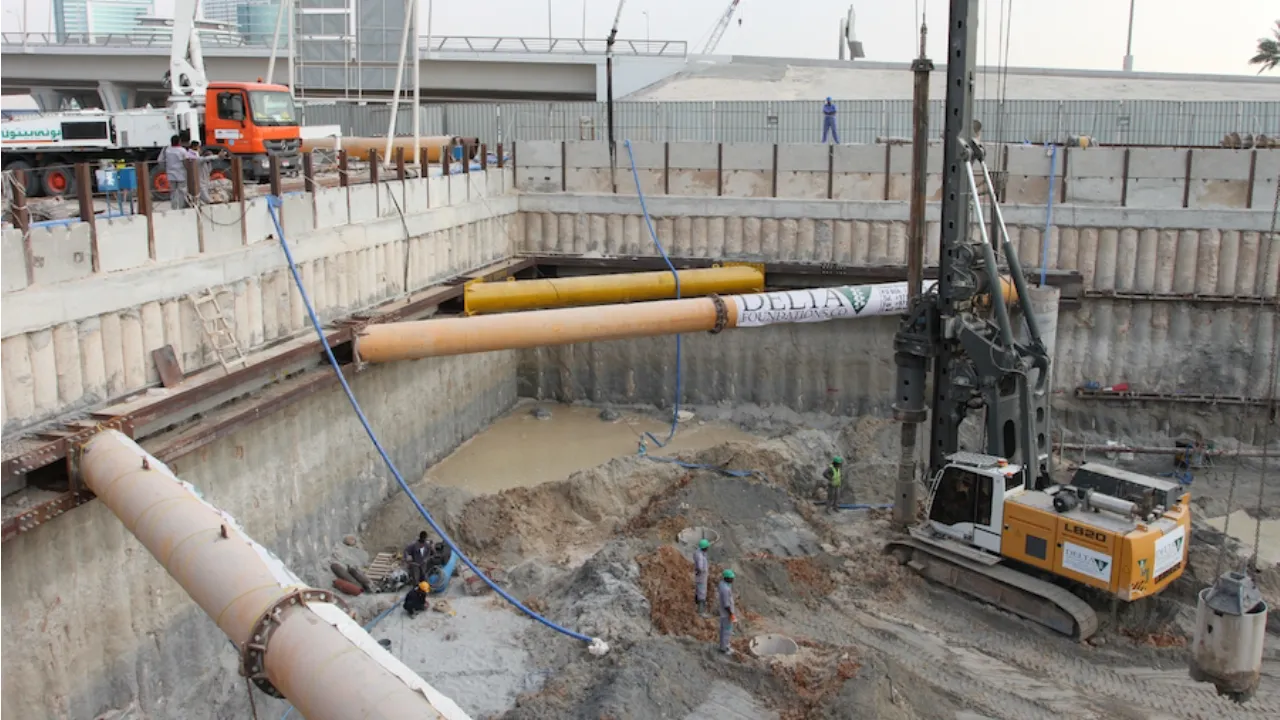
In the upstream oil and gas sector, effective drilling fluid design is critical for successful well construction, particularly in deeper, hotter, and more geologically complex reservoirs. As exploration advances into challenging HPHT (high-pressure high-temperature) environments and reactive shale formations, calcium chloride in drilling continues to prove its value as a reliable, multifunctional additive for enhancing wellbore stability, controlling formation pressures, and protecting reservoir integrity.
This comprehensive guide examines the technical applications of calcium chloride (CaCl₂) brines in modern drilling fluids, completion, and workover operations, reflecting industry best practices as of 2025.
Why Calcium Chloride for Drilling Fluids?
Calcium chloride is a highly soluble, hygroscopic ionic salt that produces clear, solids-free brines—an essential advantage over traditional solid weighting agents like barite, which can invade and damage formation pores.
A saturated calcium chloride brine achieves densities up to 11.6 ppg (1.39 SG), positioning calcium chloride in drilling as the preferred choice for moderate-density requirements in both water-based and oil-based mud systems.
Brine Density Comparison (Common Oilfield Brines)
| Brine Type | Maximum Density (ppg) | Typical Use Case | Relative Cost |
|---|---|---|---|
| Calcium Chloride | 11.6 | Moderate density, shale inhibition, completion | Low |
| Calcium Bromide | 14.2–15.1 | Higher density, HPHT wells | Medium-High |
| Zinc Bromide | 19.2 | Ultra-high density, completion | High |
| Cesium Formate | 19.2+ | Reservoir-sensitive, high-density | Very High |
Calcium chloride delivers excellent thermal stability, compatibility, and cost efficiency for most applications below 11.6 ppg.
Key Functions in Drilling Fluid Systems
Shale Inhibition and Osmotic Stability
Reactive shales remain one of the primary causes of wellbore instability, leading to hydration, swelling, stuck pipe, and hole enlargement. Calcium chloride in drilling fluids addresses this challenge by creating a high-salinity environment that establishes a strong osmotic gradient.
This gradient draws water out of the shale matrix or prevents fluid invasion, effectively dehydrating the formation and maintaining mechanical stability. The result is superior shale inhibition and reduced non-productive time in sedimentary basins worldwide.
Role in Invert Emulsion Muds (OBM/SBM)
High-performance invert emulsion oil-based muds (OBM) and synthetic-based muds (SBM) dominate modern drilling operations. In these systems, calcium chloride serves as the standard internal brine phase, precisely controlling water activity (A_w).
By balancing the activity of the internal phase with that of the formation fluids, calcium chloride in drilling prevents water migration across the emulsion interface. This ensures long-term emulsion stability, even under extreme HPHT conditions, while providing additional shale inhibition.
Applications in Completion and Workover Fluids
The versatility of calcium chloride extends well beyond the drilling phase:
- Solids-Free Completion Brines After reaching the pay zone, preserving reservoir permeability is paramount. Calcium chloride brines deliver the required hydrostatic overbalance without introducing solids that could plug pore throats and impair production rates.
- Packer Fluids Placed in the annulus for years, packer fluids must resist bacterial degradation and maintain stability at elevated temperatures. Calcium chloride’s inherent properties make it a trusted, long-term solution for pressure support and casing protection.
Cement Acceleration in Well Cementing
Calcium chloride is widely recognized as one of the most effective cement accelerators in oilfield applications. When added to cement slurries, it significantly shortens thickening time and accelerates early compressive strength development.
This benefit is especially valuable in surface casing and intermediate sections exposed to lower temperatures, where it reduces wait-on-cement (WOC) time and associated rig costs without compromising long-term zonal isolation.
Additional Advantages
- Hydrate Suppression and Freeze Protection In deepwater operations and cold climates, calcium chloride acts as a thermodynamic inhibitor, lowering the freezing point and preventing gas hydrate formation in choke lines, kill lines, and BOP stacks—enhancing flow assurance and operational safety.
- Cost-Effective Density Management For hydrostatic requirements below 11.6 ppg, calcium chloride remains far more economical than heavier alternatives such as calcium bromide or cesium formate, enabling operators to maintain safety margins efficiently.
Environmental and Sustainability Considerations
Responsible application of calcium chloride in drilling aligns with evolving regulatory and sustainability standards. It exhibits lower toxicity compared to zinc- or bromide-heavy brines and is biodegradable under appropriate conditions. Operators increasingly incorporate recycling programs and eco-compatible formulations to minimize environmental footprint while retaining performance.
Conclusion
Calcium chloride in drilling fluids remains a cornerstone of modern well construction, delivering proven benefits across shale inhibition, emulsion stability, formation damage prevention, clean completions, and efficient cementing. Its combination of technical performance, thermal resilience, and economic advantages continues to reduce non-productive time and enhance overall operational success in demanding global energy projects.
We specialize in supplying high-purity calcium chloride tailored to oilfield specifications, backed by rigorous quality assurance and reliable global logistics.
Contact Us for Technical Specifications and Supply
📞 Phone/WhatsApp: +971 50 720 9246
📧 Email: info@causticsodaco.com
🌐 Website: www.causticsodaco.com