MEG for PET Resin: Specifications, Applications & Supply Guide
MEG for PET Resin Production
Monoethylene Glycol (MEG) serves as a core raw material in manufacturing high-purity Polyethylene Terephthalate (PET) resins. Discover technical criteria, packaging options, and reliable B2B procurement pathways for international markets.
PET-Grade MEG Specifications
Industrial production of high-transparency PET resin requires strict limitations on impurities like diethylene glycol (DEG), moisture, and iron to prevent discoloration or low intrinsic viscosity.
| Analysis Property | Typical Specification Limit | Test Method / Reference |
|---|---|---|
| Monoethylene Glycol Purity | ≥ 99.90 wt% | Gas Chromatography (GC) |
| Diethylene Glycol (DEG) Content | ≤ 0.05 wt% | GC Analysis |
| Water / Moisture Content | ≤ 0.05 wt% | Karl Fischer Titration |
| Color (Platinum-Cobalt) | ≤ 5 Hazen | ASTM D1209 |
| Iron (Fe) Concentration | ≤ 0.1 ppm | Spectrophotometry |
| Total Aldehydes (as Acetaldehyde) | ≤ 10 ppm | Chemical Titration |
| Boiling Range (760 mmHg) | 196°C – 199°C | ASTM D1078 |
Export Logistics & Packaging
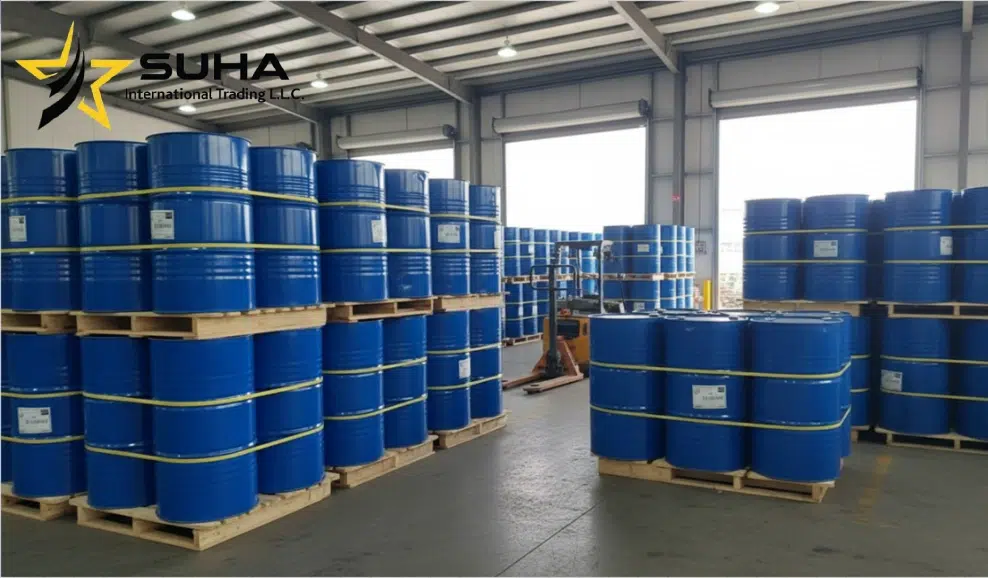
We handle bulk liquid chemical transport, ensuring dry, secure conditions to eliminate ambient humidity ingress during long-distance shipping.
Frequently Asked Questions
What is the difference between MEG and PET?
Why is low acetaldehyde formation important for PET-grade MEG?
What documentation is provided with international shipments?
Ready to Request a Wholesale Quote?
Connect with our chemical trading desk for custom pricing, shipping schedules, and compliance documentation tailored to your manufacturing facility.