
The Role of Mono Ethylene Glycol (MEG) in Climate Control: A Technical Review
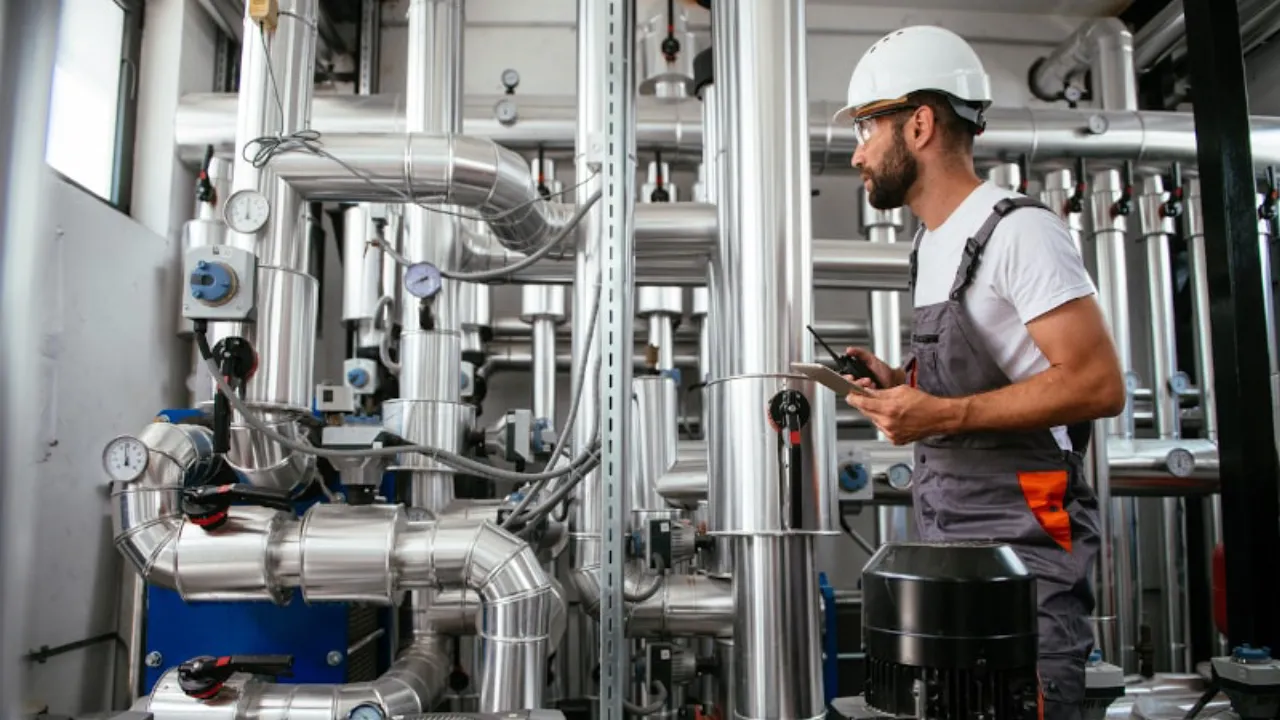
In modern mechanical engineering and large-scale architectural design, fluid thermodynamics defines the baseline efficiency of thermal regulation. Commercial Heating, Ventilation, and Air Conditioning infrastructure, district cooling networks, and industrial process chillers require heat transfer solutions capable of maintaining absolute thermal consistency under continuous mechanical stress.
To achieve this, implementing Mono Ethylene Glycol in HVAC networks has become a standard practice for engineering teams worldwide. As a clear, hygroscopic diol, its molecular structure allows it to act simultaneously as an efficient chemical medium, a cryogenic barrier, and a systemic stabilizer. Understanding the integration of Mono Ethylene Glycol in HVAC configurations is critical to securing infrastructure longevity, mitigating mechanical wear, and optimizing Seasonal Energy Efficiency Ratios (SEER) in complex hydronic loops.
Thermodynamic Mechanics: How MEG Alters Aqueous Fluid Dynamics
While pure water possesses a high specific heat capacity, its physical limitations in industrial applications are significant. It undergoes sudden volumetric expansion upon freezing, exhibits a rigid boiling point, and facilitates electrochemical oxidation when in contact with metallurgy. The utilization of an Ethylene Glycol heat transfer fluid alters these underlying fluid dynamics through several critical thermodynamic mechanisms:
1. Cryogenic Mechanics and Freeze Protection
When pure water transitions to a solid state inside a piping assembly, the resulting expansion generates extreme hydrostatic pressure. This phenomenon leads to structural failures, including ruptured pipeline webs and cracked chiller barrels.
The introduction of Mono Ethylene Glycol in HVAC fluid loops mitigates this risk by disrupting the hydrogen bonding lattice of water molecules, preventing the formation of rigid, hexagonal ice crystals. Consequently, the mixture transitions into a manageable, non-expanding slush at temperatures far below the standard freezing point of water. This chemical depression ensures that mechanical networks remain protected against structural failure during winter shutdowns.
2. Viscosity Control and Hydraulic Pumping Constraints
Although glycol accumulation is necessary for thermal defense, it increases the fluid’s dynamic viscosity, altering the overall Reynolds number within closed-loop HVAC systems. An increase in viscosity elevates internal fluid friction, creating additional resistance along pipe walls and placing a higher load on circulation pumps.
However, selecting high-purity Mono Ethylene Glycol in HVAC designs over higher molecular weight alternatives (such as Propylene Glycol) offers a distinct hydrodynamic advantage. At comparable thermal thresholds, it exhibits lower fluid viscosity. This allows hydraulic pumps to circulate the fluid through multi-story risers with lower electrical energy consumption, maximizing system efficiency.
3. Vapor Pressure Suppressing and Boiling Point Elevation
High-load systems, particularly those operating in high-ambient environments or utilizing hybrid heat-recovery configurations, frequently run at elevated thermal baselines.
The presence of Mono Ethylene Glycol in HVAC systems raises the boiling point of the aqueous solution, suppressing internal vapor pressure and preventing localized cavitation around pump impellers. Cavitation occurs when microscopic vapor bubbles form and violently implode, pitting metal surfaces and degrading hydraulic hardware over time. By elevating the boiling threshold, this fluid eliminates flashing and ensures a continuous, single-phase fluid dynamic across all operational cycles.
Technical Performance Matrix: Volumetric Ratios & Freezing Thresholds
To achieve an optimal balance between thermodynamic conductivity and mechanical safety, system engineering requires managing the chilled water glycol concentration precisely. The following matrix illustrates the physical properties of various mixtures under standard atmospheric pressure:
| Volumetric Concentration (%) | Freezing Protection Target (°C) | Boiling Point Threshold (°C) | Primary Operational Environment |
|---|---|---|---|
| 20% | Approximate -9°C | Approximate 102°C | Indoor Closed-Loops & Temperate Zone Applications |
| 30% | Approximate -15°C | Approximately 104°C | Standard Commercial Chillers & Moderate Climate Environments |
| 40% | Approximate -24°C | Approximately 106°C | Exposed Rooftop Cooling Towers with Moderate Frost Risk |
| 50% | Approximate -37°C | Approximate 108°C | Heavy-Duty Process Chillers & Severe Sub-Zero Environments |
                       ┌───────────────────────────────┐
                       │     MEG Closed-Loop Flow      │
                       └───────────────┬───────────────┘
                                       │
         ┌─────────────────────────────┼─────────────────────────────┐
         ▼                             ▼                             ▼
┌─────────────────┐           ┌─────────────────┐           ┌─────────────────┐
│ Rooftop Towers  │           │ Central Chiller │           │ Air Handlers    │
│ External Loop   │           │ Evaporator Core │           │ Internal Coils  │
│ • Zero Frost    │           │ • Energy Transfer│           │ • Constant Temp │
│ • No Bursting   │           │ • Low Viscosity │           │ • No Cavitation │
└─────────────────┘           └─────────────────┘           └─────────────────┘
System Component Integration
The multi-functional nature of this diol makes it an essential medium across multiple sections of a commercial climate control facility:
1. Centralized Water Chillers and Evaporator Barrels
The evaporator core of a commercial chiller represents the primary thermodynamic interface between the refrigeration cycle and the building’s water loop. If fluid velocity drops or control valves experience latency, water can freeze instantly on the heat exchanger tubes, causing severe mechanical damage. Incorporating Mono Ethylene Glycol in HVAC chillers safeguards the evaporator core against freeze-ups, allowing the system to safely operate at lower suction temperatures to maximize cooling output.
2. Rooftop Cooling Towers and Exposed Condenser Lines
Cooling towers are inherently exposed to ambient atmospheric shifts. During seasonal transitions or winter standby periods, static water lines are highly susceptible to structural freezing. Deploying Mono Ethylene Glycol in HVAC cooling tower loops guarantees that secondary condenser lines can cycle on and off seamlessly without the risk of localized blockages or line ruptures, eliminating the need for complex electric heat-tracing networks.
3. Closed-Loop Thermal Storage Systems (Ice Storage)
Many modern sustainable building complexes utilize thermal energy storage (TES) to optimize electrical grid loads, freezing large volumes of fluid during off-peak nighttime hours to supplement cooling during peak afternoon periods. Mono Ethylene Glycol in HVAC thermal storage configurations acts as the foundational fluid, facilitating efficient, rapid ice-thinning cycles without causing structural stress to the subterranean holding tanks.
Degradation and System Preservation: Chemical Inhibitors
While industrial-grade formulations possess an excellent thermal profile, they are inherently vulnerable to slow thermal oxidation when exposed to dissolved oxygen and continuous high-temperature cycling over extended periods. This degradation process produces trace organic acids, specifically glycolic, formic, and oxalic acids. If left unmanaged, these acids lower the fluid’s pH, causing aggressive chemical etching along internal steel, copper, brass, and aluminum surfaces.
To eliminate this operational hazard, the implementation of multi-metal corrosion inhibitors within bulk glycol networks is a standard engineering requirement. These specialized additives, often transitioning to Organic Acid Technology (OAT), continuously buffer the pH of the fluid, maintaining an ideal alkaline state (typically between 8.5 and 9.5). This neutralizing effect forms an impenetrable, microscopic passive layer over internal metallurgy, stopping rust buildup, eliminating mineral scaling, and preserving the design life of multi-million dollar mechanical assets.
Frequently Asked Questions (FAQ)
Can MEG be mixed with Propylene Glycol (PG) within an active loop?
No. Blending different chemical media destabilizes the physical properties of the fluid. Because the two chemicals possess distinct molecular weights, densities, and operational viscosities, mixing them makes it impossible to accurately measure the fluid’s true freeze-point using standard refractometers. Furthermore, chemical incompatibility can cause specialized inhibitor packages to fall out of solution, leading to accelerated internal sludge formation and fouled heat exchangers.
How often should the glycol concentration in a commercial facility be analyzed?
Fluid analysis should be executed at least once a year. This critical maintenance check measures the exact chilled water glycol concentration, assesses reserve alkalinity levels, and screens for trace suspended metals to detect potential corrosion issues long before they cause physical damage to pipes or chillers.
Why is MEG preferred over alternative glycols in large-scale infrastructure?
It provides superior thermal conductivity and significantly lower fluid viscosity compared to alternative options like Propylene Glycol. In large engineering networks where toxicity is not a constraint (such as closed-loop configurations outside of food processing zones), it delivers better heat transfer efficiency and requires lower pumping power, making it the most energy-efficient option available.
Conclusion
In conclusion, the chemical integration of Mono Ethylene Glycol in HVAC systems remains an indispensable strategy in modern industrial thermodynamics and fluid engineering. Fundamentally altering the physical and chemical limitations of pure water, it provides vital protection against cryogenic failure, stabilizes vapor pressures under intense thermal loads, and enhances overall mechanical efficiency. When coupled with advanced multi-metal corrosion inhibitors, these solutions ensure long-term reliability, preventing premature component failure and safeguarding large-scale infrastructural investments against environmental extremes.