
Soda Ash in Drilling: Applications, Benefits, and Supply
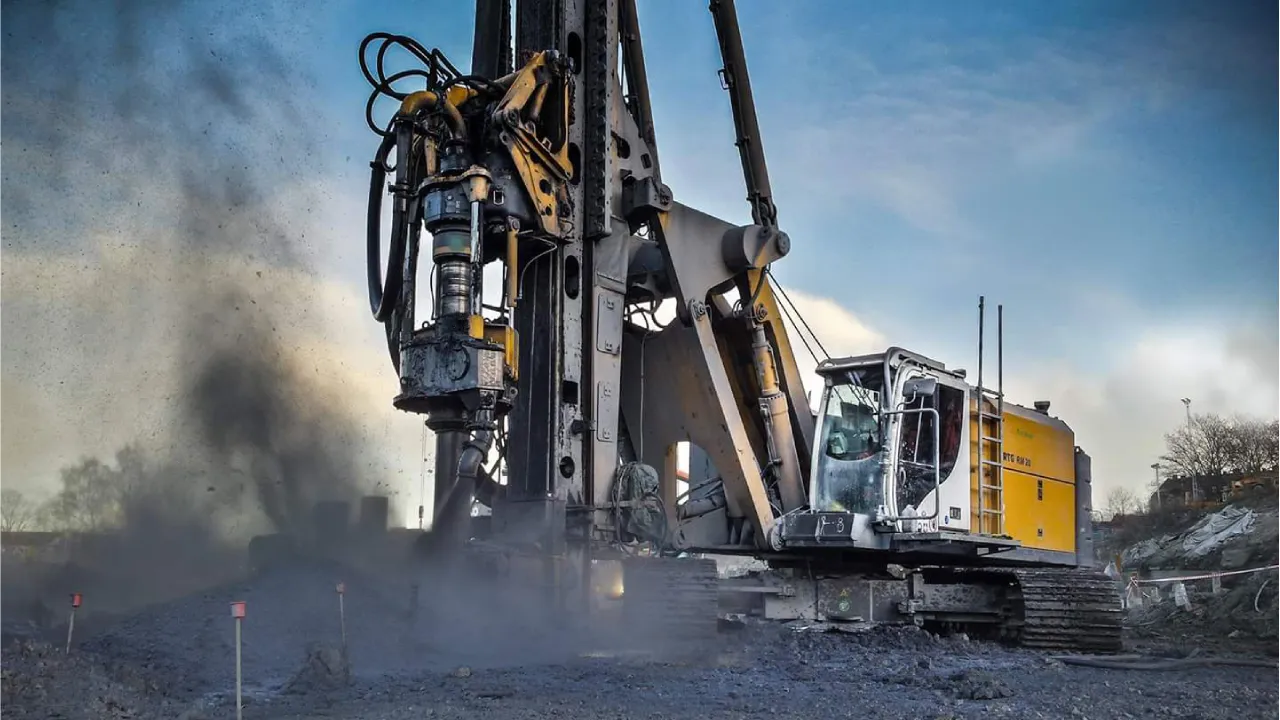
Soda Ash in Drilling: The Complete Guide
In the demanding world of drilling, success hinges on the performance of the drilling fluid. This fluid, often called “mud,” is a complex mixture responsible for cooling the drill bit, transporting cuttings, and stabilizing the wellbore. At the very start of this system is the water, and its chemistry is the foundation for everything that follows. This is where soda ash (sodium carbonate) plays its vital role, acting as the primary conditioning agent to ensure a stable and effective drilling operation.
This guide provides an expert overview of how soda ash works, its critical applications across different industries, and the best practices for its use in the field.
How Soda Ash Works
The effectiveness of soda ash in drilling comes down to two simple but powerful chemical actions: controlling alkalinity and removing harmful minerals.
1. Controls pH and Alkalinity
Most additives in a water-based drilling mud, especially bentonite clay and specialized polymers, require a specific alkaline environment to perform correctly. Soda ash raises the pH of the water into the ideal range of 8.5 to 9.5.
Why is this range important?
- Bentonite Yield: In this alkaline environment, bentonite clay platelets repel each other, allowing them to absorb more water. This process, known as “yielding,” creates the viscosity needed to suspend and carry rock cuttings to the surface.
- Polymer Stability: Many fluid loss control polymers are most effective and stable within this pH window, preventing them from breaking down prematurely.
Soda ash provides a buffered, controlled increase in pH, avoiding the harsh, rapid changes that can be caused by stronger chemicals like caustic soda.
2. Removes Calcium and Hardness
The single greatest enemy to a water-based mud system is calcium (Ca²⁺). This mineral, found in “hard” water and in geological formations like limestone, gypsum, and anhydrite, causes bentonite clays to clump together (flocculate). This instantly degrades the mud’s performance, leading to poor cuttings transport and potential wellbore instability.
Soda ash directly counteracts this by reacting with calcium ions to create calcium carbonate (CaCO₃), an insoluble solid. This process effectively “removes” the calcium from the water, protecting the mud system.
Chemical Reaction: Na₂CO₃ (Soda Ash) + Ca²⁺ (Calcium Ions) → CaCO₃ (Calcium Carbonate Precipitate) + 2Na⁺ (Sodium Ions)
Key Uses in Drilling Operations
Soda ash is used proactively to build a good mud system and reactively to solve problems downhole.
Building a Stable Mud System
The most crucial use of soda ash is in the pre-treatment of makeup water before any other additives are introduced. By adding soda ash first, operators ensure that all hardness-causing minerals are neutralized. This allows bentonite and polymers to yield to their full potential, creating a high-quality, cost-effective mud system from the start.
Treating Downhole Contamination
While drilling, the drill bit can penetrate formations that release large amounts of calcium or other contaminants into the mud. Maintaining a low residual of soda ash in the drilling fluid allows for immediate precipitation of these contaminants as they enter the wellbore, protecting the mud system in real-time and preventing costly shutdowns.
Applications Across Industries
The versatility of soda ash makes it essential in virtually every sector that involves drilling.
| Industry | Specific Use and Benefit |
|---|---|
| Oil & Gas | In high-pressure, high-temperature (HPHT) wells, it maintains fluid stability and prevents gelation. It is also used as a low-cost accelerator for cement slurries to ensure strong zonal isolation. |
| Horizontal Directional Drilling (HDD) | Conditions polymer slurries to counteract groundwater hardness, which reduces drilling torque, minimizes the risk of “frack-out” in weak formations, and ensures a stable borehole for utility installation. |
| Water Well & Geotechnical | Maximizes the yield of bentonite in grouts to prevent borehole collapse in sandy or unconsolidated soils. It also helps flocculate fine solids, making them easier to remove with solids control equipment. |
| Geothermal Drilling | Treats corrosive, high-salinity brines found in geothermal reservoirs. By precipitating scaling minerals, it prevents the fouling of expensive downhole tools and surface equipment. |
| Mining | Used in exploration drilling to neutralize acidic groundwater and protect sensitive equipment. Post-drilling, it’s used to adjust slurry pH for froth flotation to optimize mineral recovery. |
Field Guide for Safe and Effective Use
Proper handling and application are key to maximizing the benefits of soda ash.
Dosage and Mixing
- Water Testing: Always begin with a water analysis. Use test strips or a water quality kit to determine the initial pH and hardness (calcium and magnesium levels).
- Pre-Treatment Dosage: A standard starting point for pre-treating makeup water is 0.5 to 1.0 pounds of soda ash per 100 gallons of water. The exact amount depends on the water’s hardness.
- Contamination Treatment: To treat active calcium contamination, use the following formula: Pounds of Soda Ash per 100 bbl = 0.26 x (ppm Calcium – Desired ppm Calcium).
- Mixing Procedure: Add soda ash slowly through a chemical hopper or by sifting it into a tank with strong agitation. This prevents clumping and ensures it dissolves completely. It should always be the first chemical added to fresh water.
Safety and Handling
- Personal Protective Equipment (PPE): While relatively safe, soda ash is a moderate irritant. Always wear safety glasses, gloves, and a dust mask to avoid contact with eyes, skin, and lungs.
- Storage: Store bags of soda ash in a dry, covered location. It will readily absorb moisture from the air, which can cause it to harden and become difficult to use.
- Avoid Overtreatment: Adding too much soda ash can lead to excess carbonate ions in the mud, which can cause undesirable increases in gel strength and viscosity. Regularly test the fluid’s filtrate with a Garrett Gas Train to monitor carbonate levels.
By following these guidelines, drilling professionals can ensure that soda ash in drilling serves as a reliable and powerful tool for maintaining wellbore integrity and achieving operational excellence.