
Soda Ash for Glass Manufacturing: Essential Role, Grades, Applications, and 2026 Insights
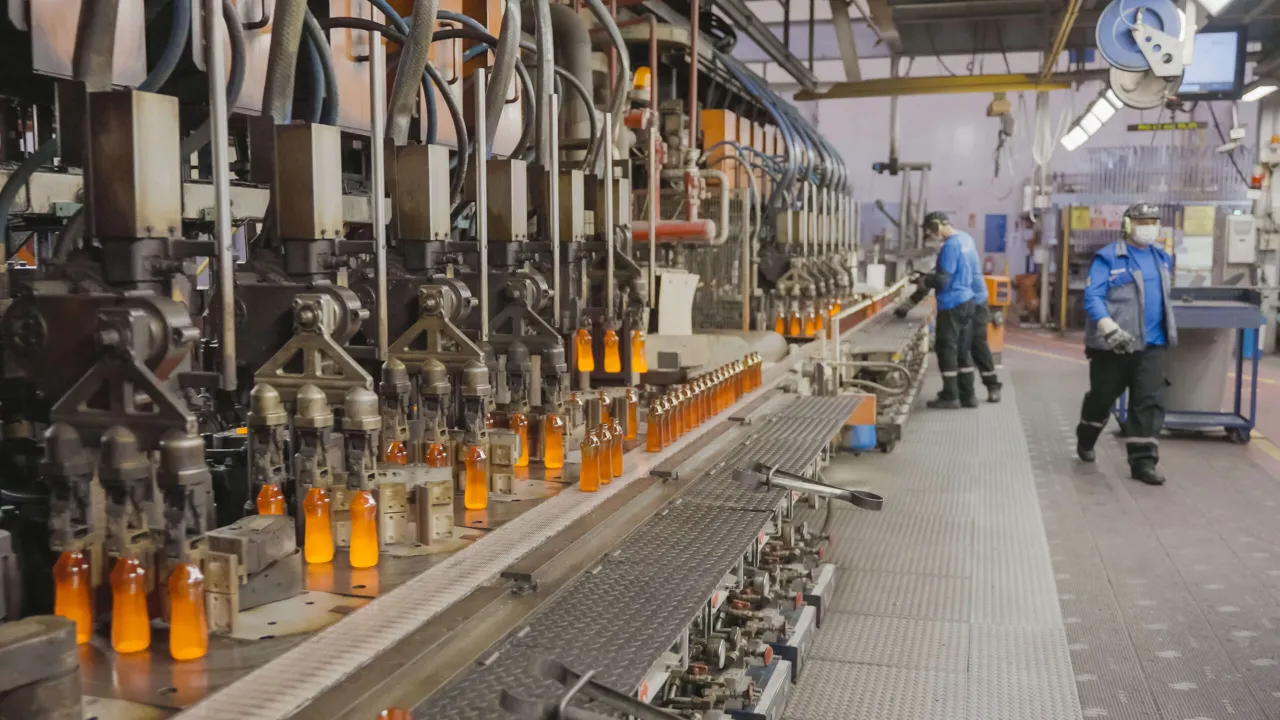
Soda ash for glass manufacturing stands as a cornerstone raw material in producing diverse glass products globally. Chemically identified as sodium carbonate (Na₂CO₃), this alkali compound primarily functions as a fluxing agent, effectively lowering the melting temperature of silica sand—the main ingredient in glass batches. As of late 2025, the global soda ash market reflects steady demand, with soda ash for glass manufacturing representing approximately 50% of total consumption, driven by expansions in construction, automotive, and solar energy sectors.
This refined guide provides professional insights into the properties, grades, applications, processes, and sustainability considerations of soda ash for glass manufacturing, helping industry stakeholders optimize selection and usage for enhanced efficiency and product quality.
Key Properties of Soda Ash for Glass Manufacturing
Soda ash exhibits properties that make it indispensable in glass production, where it integrates smoothly into batch formulations.
- Fluxing Action: Soda ash for glass manufacturing reacts with silica to produce sodium silicate, reducing the melting point from roughly 1,700°C to 1,200-1,500°C, thereby lowering energy demands and furnace stress.
- Viscosity Reduction: It fluidizes molten glass, promoting easier forming and fewer imperfections such as seeds or cords.
- pH Stabilization: Maintains alkaline conditions in the melt, ensuring chemical uniformity and superior optical clarity.
- Uniform Mixing: Facilitates even distribution with other components like limestone and dolomite, yielding consistent glass networks.
- Cost-Effective Alkali Supply: Delivers sodium ions vital for glass structure, often comprising 12-18% of the batch weight.
High-purity variants are increasingly specified in 2025 for advanced applications requiring minimal impurities.
Grades of Soda Ash in Glass Manufacturing: Light vs. Dense
Soda ash is produced in two primary physical grades—light and dense—which are chemically identical (Na₂CO₃) but differ in bulk density, particle size, and handling characteristics. The choice of grade significantly impacts operational efficiency in soda ash for glass manufacturing.
Soda Ash Dense is the predominant grade for glass production, accounting for the majority of usage in this sector. It features a higher bulk density (typically 0.9-1.2 g/cm³) and larger, granular particles (300-500 microns median diameter). These attributes provide:
- Excellent flowability and minimal dust generation during transport and silo storage.
- Particle sizes closely matched to silica sand, preventing segregation in batch mixing and ensuring homogeneous melting.
- Reduced risk of fines that could cause dusting or uneven fusion in furnaces.
- Superior stability in high-volume, automated feeding systems common in modern glass plants.
Soda ash for glass manufacturing overwhelmingly favors the dense grade due to these practical advantages, which contribute to predictable viscosity control, extended furnace life, and high-quality outputs in flat, container, and specialty glass.
Soda Ash Light, with lower bulk density (0.5-0.6 g/cm³) and finer particles (around 100 microns), dissolves more rapidly but is less common in glass production. It may be used in niche scenarios requiring quick reactivity or in smaller-scale operations, though its tendency to generate dust and potential for segregation make it suboptimal for most soda ash for glass manufacturing processes. Light grade finds greater application in detergents and chemicals.
In 2025 market trends, dense soda ash continues to dominate glass-related demand, supported by its efficiency in large-scale production.
Applications of Soda Ash for Glass Manufacturing
Soda ash for glass manufacturing enables a broad spectrum of products, each leveraging its fluxing and stabilizing benefits amid growing sector demands.
Flat and Architectural Glass
Uniform sheets for buildings, windows, and solar panels rely on soda ash for glass manufacturing for thermal performance and transparency, fueled by infrastructure growth.
Container Glass Packaging
Bottles and jars gain strength and recyclability through precise soda ash integration, with cullet reuse further optimizing material needs.
Fiberglass Reinforcement
Insulation and composites for construction and automotive benefit from enhanced durability provided by soda ash formulations.
Specialty and Solar Glass
Borosilicate for labware and photovoltaic panels demands high-purity soda ash for glass manufacturing to achieve specific optical and thermal traits.
Automotive and Advanced Glass
Tempered and laminated variants incorporate soda ash for safety and innovative features like integrated displays.
The Glass Manufacturing Process with Soda Ash
Contemporary processes incorporate soda ash for glass manufacturing across key stages for reliable outcomes.
- Batch Formulation: Proportioned mixing of silica (60-70%), soda ash (12-18%), limestone, and additives.
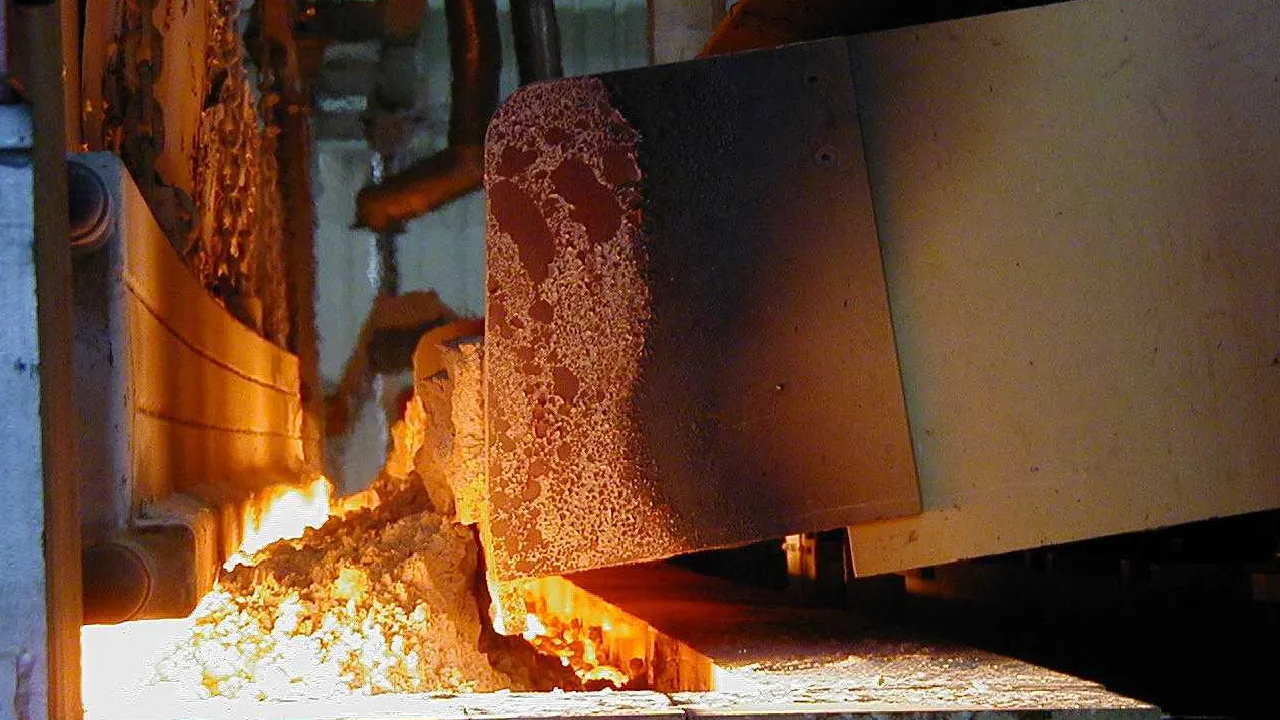
- Melting: Fusion in furnaces at 1,400-1,600°C, accelerated by soda ash fluxing.
- Refining and Shaping: Impurity removal followed by float, blow, or draw methods.
- Annealing: Gradual cooling to eliminate stresses.
- Finishing: Coatings and quality assurance per standards.
Hybrid and automated furnaces in 2025 maximize the benefits of well-selected soda ash grades.
Sustainability Considerations for Soda Ash in Glass Manufacturing
Natural trona-sourced soda ash offers a lower environmental footprint compared to synthetic routes, aligning with industry net-zero goals. Recycling cullet substantially decreases virgin soda ash for glass manufacturing requirements while cutting energy use. Ongoing innovations focus on low-emission production and efficient grade utilization to balance performance with responsibility.
Conclusion
Soda ash for glass manufacturing remains integral to achieving operational excellence, product superiority, and sustainable practices in a dynamic industry. Selecting the appropriate grade—predominantly dense for most applications—ensures optimal handling, mixing, and melting outcomes. As demands from renewables, construction, and packaging evolve, strategic use of soda ash will continue driving advancements in glass technology.