
Sodium Carbonate in Metallurgy: The Complete Guide to Soda Ash Applications, Fluxing, and Recovery
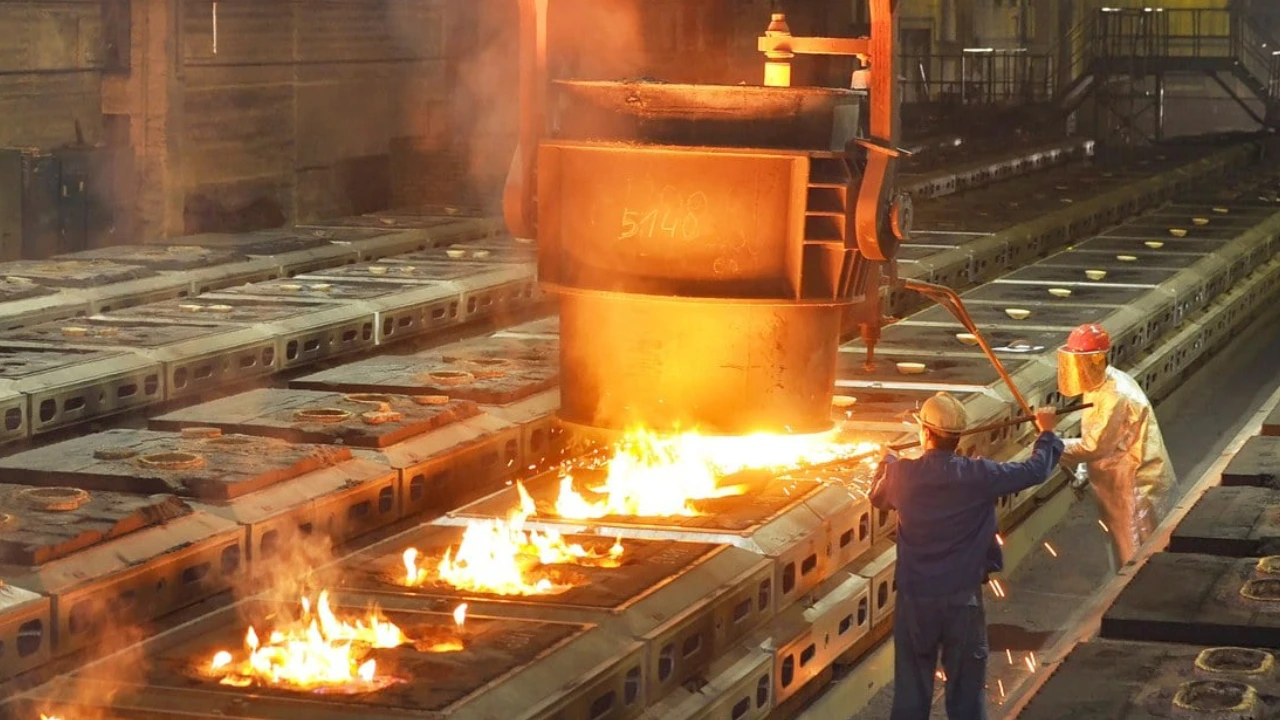
In the complex world of mineral processing and extractive metallurgy, few reagents offer the versatility and efficiency of Sodium Carbonate in Metallurgy. Commonly known as soda ash, this inorganic compound serves as a flux, pH regulator, and desulfurizing agent across multiple metal production chains. From the recovery of precious metals like gold and silver to the refinement of base metals such as copper and lead, understanding the application of Sodium Carbonate in Metallurgy is essential for optimizing recovery rates, reducing energy consumption, and improving cost efficiency.
This article explores the technical mechanisms, key industrial applications, and emerging trends surrounding Sodium Carbonate in Metallurgy, providing a comprehensive resource for metallurgists, process engineers, and procurement specialists.
What is Sodium Carbonate? A Brief Overview
Sodium carbonate (Na₂CO₃), often referred to as soda ash, is an alkali salt with a high melting point (851°C) and strong basicity. In metallurgical contexts, its ability to react with acidic oxides, form soluble complexes with certain metals, and lower the melting points of gangue materials makes it indispensable. The phrase Sodium Carbonate in Metallurgy typically refers to its roles in pyrometallurgical fluxing and hydrometallurgical leaching or precipitation steps.
Key Pyrometallurgical Applications of Sodium Carbonate
1. Fluxing Agent in Smelting and Refining
One of the most established uses of Sodium Carbonate in Metallurgy is as a flux in smelting furnaces. When processing complex ores, gangue materials like silica (SiO₂) and alumina (Al₂O₃) can impede metal separation. Soda ash reacts with these acidic oxides to form low-melting-point sodium silicates and aluminosilicates, which float as slag and separate cleanly from the molten metal.
For example, in copper and lead smelting, adding 2–5% sodium carbonate to the charge significantly reduces slag viscosity and enhances metal coalescence. This application of Sodium Carbonate in Metallurgy directly translates into higher metal recoveries and lower energy demand.
2. Desulfurization of Ferrous and Non-Ferrous Metals
Sulfur impurities compromise the mechanical properties of steel and cause brittleness in nickel and copper alloys. Sodium Carbonate in Metallurgy serves as an effective desulfurizing agent through the reaction:
Na₂CO₃ + FeS → Na₂S + FeO + CO₂
By converting iron sulfide (FeS) into sodium sulfide, which partitions into the slag, sulfur content can be reduced from over 0.5% to below 0.02% in a single ladle treatment. This practice, often called soda ash desulfurization, is common in foundries and secondary refining operations.
Hydrometallurgical Roles: Leaching, Precipitation, and pH Control
3. pH Adjustment in Cyanidation for Gold Extraction
In gold cyanidation, maintaining a stable alkaline pH (typically 10.5–11.5) is critical to prevent the formation of toxic hydrogen cyanide gas. Sodium Carbonate in Metallurgy is frequently preferred over lime (calcium oxide) because it minimizes calcium buildup on carbon-in-pulp circuits and reduces scaling in pipes. Soda ash acts as a buffer, ensuring consistent leaching conditions while improving gold dissolution kinetics by up to 15% in some ores.
4. Selective Precipitation of Metal Carbonates
The ability to precipitate metal carbonates selectively is another powerful attribute of Sodium Carbonate in Metallurgy. In hydrometallurgical flowsheets for nickel, cobalt, or rare earth elements, sodium carbonate is added to pregnant leach solutions to recover these metals as high-purity carbonates. For instance, nickel carbonate (NiCO₃) precipitated with soda ash can be directly calcined to nickel oxide or reduced to nickel metal. This method is both cost-effective and environmentally cleaner than sulfide precipitation.
5. Removal of Impurities from Aluminum Solutions
In the Bayer process for alumina production, Sodium Carbonate in Metallurgy plays a supporting role in digesting bauxite. Although caustic soda is the primary digestant, sodium carbonate helps recover excess soda from red mud wash circuits and precipitates sodium aluminosilicate scale, thereby improving overall caustic efficiency.
Advantages of Using Sodium Carbonate Over Alternative Reagents
Why do metallurgists consistently choose Sodium Carbonate in Metallurgy over lime, caustic soda, or fluorite? The advantages include:
-
Lower melting point flux: Compared to calcium-based fluxes, sodium carbonate melts and becomes reactive at a lower temperature, saving fuel.
-
Non-corrosive handling: While alkaline, soda ash is less hazardous to handle than caustic soda (NaOH).
-
High selectivity: In precipitation circuits, sodium carbonate allows precise separation of metal values from leach solutions.
-
Readily available and cost-stable: As a bulk commodity, soda ash prices are generally stable, aiding operational budgeting.
Case Study: Soda Ash in Lithium and Rare Earth Processing
The modern demand for battery metals has spotlighted another application of Sodium Carbonate in Metallurgy. In lithium extraction from brines or spodumene ore, sodium carbonate is added to lithium sulfate or chloride solutions to precipitate lithium carbonate (Li₂CO₃) – the precursor for lithium-ion battery cathodes. Similarly, in rare earth refining, soda ash selectively precipitates cerium and lanthanum carbonates, separating them from iron and manganese impurities. Thus, the role of Sodium Carbonate in Metallurgy extends directly into the green energy supply chain.
This case underscores why soda ash in metallurgy is no longer a niche topic but a core component of sustainable metal production.
Practical Considerations and Dosage Guidelines
Effective use of Sodium Carbonate in Metallurgy requires careful optimization of dosage, temperature, and residence time. Typical dosages range from 1 kg per ton of ore (for pH adjustment) to 50 kg per ton (for fluxing heavy slags). Overdosing can lead to excessive slag volume and entrained metal losses, while underdosing results in incomplete desulfurization or poor precipitation yields.
Process engineers should conduct bench-scale tests to determine:
-
The acid-consuming capacity of the ore (in leach applications).
-
Slag basicity index (CaO+MgO+Na₂O)/(SiO₂+Al₂O₃) target for pyrometallurgy.
-
Competing ion effects (e.g., calcium or magnesium in solution).
Environmental and Safety Aspects
Modern environmental regulations favor Sodium Carbonate in Metallurgy because its reaction products are generally benign. Sodium silicates from slag can be landfilled or repurposed as construction aggregates, and sodium sulfide from desulfurization can be oxidized to sulfate. Moreover, using soda ash reduces the need for lime, which produces carbon dioxide during calcination. Life-cycle assessments show that replacing lime with sodium carbonate in certain circuits can lower a smelter’s carbon footprint by 8–10%.
Safety measures include dust control during handling (sodium carbonate can irritate respiratory tracts) and avoiding contact with strong acids, which generate CO₂ gas. However, compared to reagents like sulfuric acid or sodium cyanide, Sodium Carbonate in Metallurgy is one of the safer chemical agents in a metallurgical plant.
Conclusion: Why Sodium Carbonate Remains a Metallurgical Workhorse
From ancient glassmaking to modern lithium refining, the value of Sodium Carbonate in Metallurgy has only grown. Its dual functionality – acting as both a pyrometallurgical flux and a hydrometallurgical precipitant – is rarely matched by any single reagent. As the industry pushes toward lower-temperature processing, higher metal selectivity, and stricter environmental performance, soda ash will continue to play a pivotal role.
For metallurgical engineers designing new flowsheets or optimizing existing plants, revisiting the dos and don’ts of Sodium Carbonate in Metallurgy can uncover significant savings and recovery improvements. Likewise, procurement managers should prioritize high-density (dense) soda ash for easier handling and reduced dust emissions.