
Soda Ash in Paper Manufacturing: A 2026 Guide to Applications, Dosing & Cost Savings
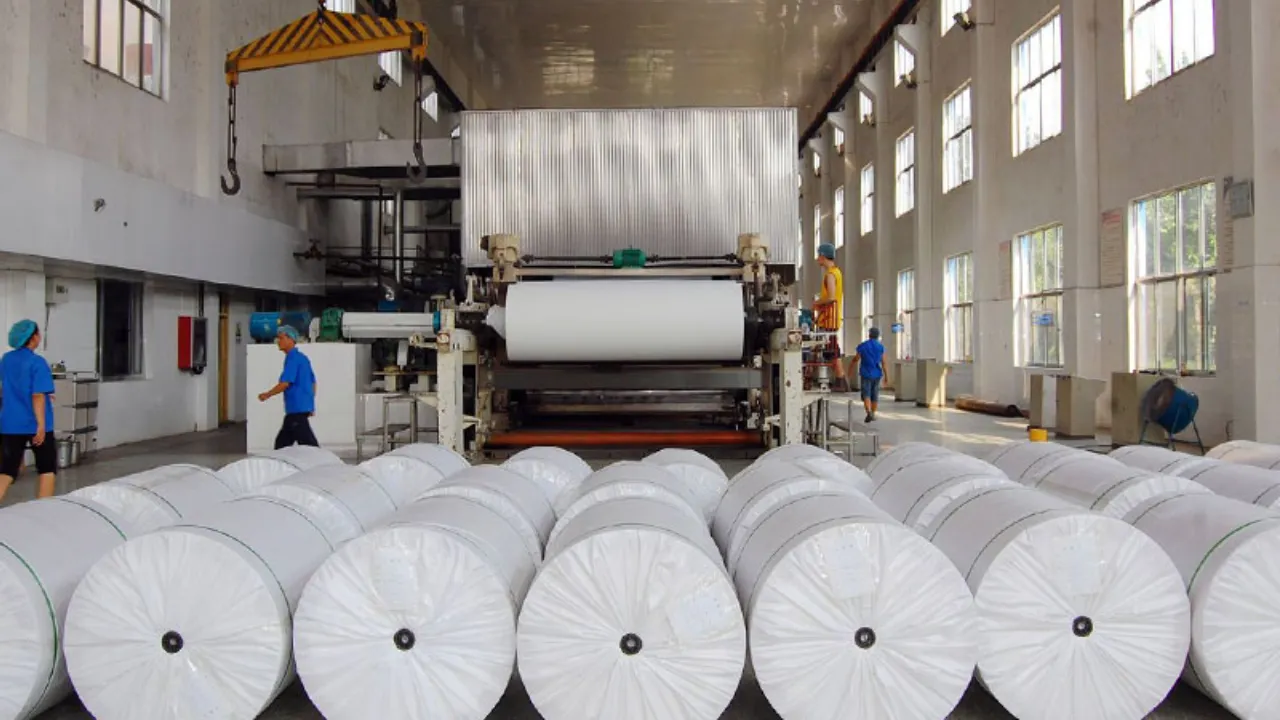
Soda ash (sodium carbonate, Na₂CO₃) remains a cornerstone alkali in modern manufacturing, specifically supporting efficient, high-quality production in the pulp and paper sector. As mills face increasing pressure to reduce costs and meet environmental standards, the role of soda ash in paper industry applications has evolved from simple pH control to a strategic asset for sustainability.
Essential for processes ranging from kraft pulping to peroxide bleaching and wastewater management, this versatile compound optimizes fiber integrity and enhances process control. Recent industry data from late 2025 indicates that approximately 68% of global paper mills now rely on soda ash for primary pH buffering, reflecting a steady rise driven by the demand for chlorine-free operations and resource efficiency.
This guide provides paper mill professionals—operators, managers, and procurement specialists—with evidence-based strategies to leverage soda ash in paper industry workflows for superior paper quality and adherence to strict standards like EPA effluent limits and EU REACH directives.
Understanding Soda Ash in Paper Industry Fundamentals
To fully optimize production, it is crucial to understand the chemical properties that make soda ash in paper industry formulations so effective. Soda ash is a white, anhydrous, and highly soluble alkaline salt, derived primarily from natural trona ore deposits or produced synthetically via the Solvay process.
Its mild alkalinity (pH ~11.2 in solution) makes it ideal for sodium carbonate applications in papermaking. Unlike stronger alkalis that can cause “alkali darkening” or cellulose degradation, soda ash buffers systems gently, preserving fiber strength.
Industrial Grades Used in Pulp and Paper Production
Selecting the right grade is critical for operational efficiency.
| Grade | Particle Size | Bulk Density (g/cm³) | Optimal Use Cases |
|---|---|---|---|
| Dense Soda Ash | 300–1,000 µm | 0.95–1.1 | Automated dosing in pulping and continuous pH control |
| Light Soda Ash | 100–200 µm | 0.5–0.6 | Rapid dissolution in bleaching and wet-end chemistry |
Practical Insight: Opt for light soda ash in hydrogen peroxide bleaching to achieve gradual pH stabilization and prevent fiber stress. Conversely, dense variants excel in high-volume soda ash in paper industry supply chains due to better flowability and silo storage efficiency.
Key Applications of Soda Ash in Paper Industry Processes
The versatility of sodium carbonate allows it to improve performance across multiple stages of the papermaking lifecycle.
1. Pulping: Enhancing Lignin Extraction in Kraft and Sulfite Systems
In kraft and sulfite pulping, soda ash in paper industry protocols involves regulating cooking liquor to a pH of 9.5–10.5. This facilitates targeted lignin removal while preserving cellulose and hemicellulose fibers. This alkaline buffering supports higher yields and consistent quality compared to harsher alternatives.
Evidence from 2025/2026 Studies:
- Yield Improvement: Up to 10% improved pulp yield versus caustic soda-only systems.
- Consistency: 10–15% reduced variability in kappa numbers for uniform delignification.
- Strength: 5–7% increase in tensile index, yielding stronger, more durable paper products.
2. Peroxide Bleaching Optimization
For both virgin and recycled pulp lines, soda ash maintains a stable pH of 10.5–11.0, activating hydrogen peroxide (H₂O₂) for effective brightening without degrading the pulp. As a key bleaching stabilizer, it is indispensable in Total Chlorine-Free (TCF) sequences.
Key Outcomes:
- ISO brightness levels of 85–92%, depending on pulp type.
- 20–25% reduction in peroxide consumption compared to silicate-based alternatives.
- Negligible AOX (adsorbable organic halides) in effluents.
3. Wet-End Chemistry: pH Control and Sheet Formation
Maintaining white water pH at 7.5–8.0 is vital for retention aids, drainage enhancement, and uniform sheet formation. The precise use of soda ash in paper industry wet-end chemistry ensures compatibility with sizing agents like AKD (Alkyl Ketene Dimer) and ASA (Alkenyl Succinic Anhydride).
Benefits of Precise Dosing:
- pH stability within ±0.2 units correlates with 1–3% fewer sheet breaks.
- 10–15% improved sizing efficiency, boosting Cobb60 water resistance.
4. Wastewater Treatment: Neutralization and COD Mitigation
A critical aspect of modern environmental compliance involves using soda ash in paper industry waste streams. It effectively neutralizes acidic post-bleaching effluents (pH 4.5–6.0) and precipitates organics to lower Chemical Oxygen Demand (COD).
Data from 2026 Environmental Analyses:
- Average 25–40% COD reduction.
- Total Suspended Solids (TSS) maintained below 50 mg/L.
- Supports up to 85% water recycling in Zero-Liquid-Discharge (ZLD) configurations.
Comparative Analysis: Soda Ash Versus Other Alkalis
Soda ash offers a balanced profile for pH adjustment, excelling in fiber safety and solubility. Below is a 2026 cost-benefit overview (Q1 pricing trends):
| Chemical | pH Strength | Fiber Safety | Solubility | Cost Efficiency | Sustainability |
|---|---|---|---|---|---|
| Soda Ash | Mild (11.2) | Excellent | High | High (200–350 USD/MT) | Low CO₂ footprint (Trona) |
| Caustic Soda | Strong (13+) | Moderate (risk of swelling) | High | Moderate (Volatility high) | Energy-intensive |
| Lime (Ca(OH)₂) | Weak (12.4) | Fair (scaling issues) | Low | High | Generates sludge |
| Mg(OH)₂ | Very Mild | Good | Moderate | Low | Slow reactivity |
Conclusion: For modern mills prioritizing pulp quality and environmental stewardship, the application of soda ash in paper industry operations provides unmatched versatility compared to caustic soda or lime.
Best Practices for Dosing and Quality Control
Advanced mills employ inline pH sensors and Programmable Logic Controllers (PLC) for automated dosing.
| Parameter | Target Range | Monitoring Frequency |
|---|---|---|
| Pulping Liquor pH | 9.8–10.3 | Continuous |
| Bleach Stage pH | 10.5–11.0 | Per Batch |
| White Water pH | 7.5–8.0 | Hourly |
Refined Dosing Calculation
(For liquor adjustment per ton of dry pulp)
- Determine the alkalinity deficit via titration (as CaCO₃ equivalents, mg/L).
- Formula:
Soda Ash (kg/ton) ≈ [(Target Alkalinity - Current Alkalinity) × Liquor Volume (m³/ton) × 0.00106] / Purity Factor (%)
Example: For a 200 mg/L gap in 10 m³ liquor (99% purity), approximately 2.14 kg of soda ash is required.
Elevating Efficiency with Premium Soda Ash Solutions
To integrate soda ash in paper industry processes effectively—achieving reliable pH control, enhanced brightness, and streamlined wastewater treatment—consider partnering with specialized suppliers who understand the 2026 market landscape.
For tailored assessments, product samples, and technical support on dense or light grades, reach out to industry experts.
📞 +971 50 720 9246
📧 info@causticsodaco.com
🌐 www.causticsodaco.com