
Supplier of Diethylene glycol-DEG from Turkey and Dubai UAE
- Descriptions of Diethylene Glycol
- Why DEG’s Properties Matter
- Where DEG Is Used (Application and Uses)
- DEG vs TEG: Which to Choose
- Choosing a DEG Supplier
- Our DEG Supply Approach
- Handling and Storage of Diethylene Glycol
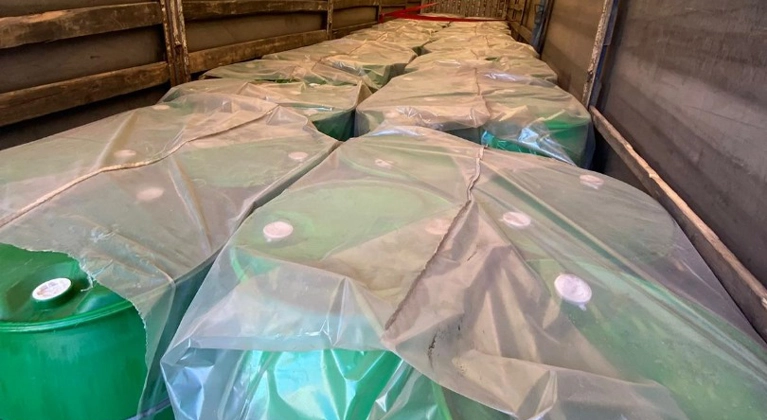
- Packing and Container Loading of Diethylene Glycol
- Get a Quote
- TECHNICAL DATA SHEET OF DIETHYLENE GLYCOL (DEG)
Descriptions of Diethylene Glycol
If you’ve ever dealt with moisture issues in production, wondered why your polyester resin isn’t curing right, or needed a coolant that won’t quit at high temps, you’ve probably already met diethylene glycol—you just didn’t know it yet.
Diethylene glycol (DEG) is what engineers reach for when Monoethylene glycol (MEG) isn’t quite enough, but Triethylene glycol (TEG) is overkill. Think of it as the Goldilocks of the glycol family. With its CAS number 111-46-6 and straight-chain structure (CH₂OHCH₂OCH₂CH₂OH), this clear, odorless liquid quietly powers everything from antifreeze formulations to the flexible foam in your car seats.
What makes DEG special? It’s aggressively hygroscopic—meaning it hunts down moisture like a heat-seeking missile—yet it’s stable enough to handle high temperatures without breaking a sweat. That combination is rarer than you’d think.
Why DEG’s Properties Matter
Let’s cut through the chemistry textbook talk. Here’s what DEG’s specs mean for your floor operations:
| Property | The Real-World Translation |
|---|---|
| Boiling Point: 245°C | Your high-temp processes won’t vaporize your solvent overnight |
| Freezing Point: -10.5°C | Won’t solidify in winter shipping or outdoor storage |
| Viscosity: 35.7 mPa·s | Coats surfaces evenly, no tiger striping in your paints |
| Fully water-soluble | Rinse tanks without headaches; blends easily in coolant systems |
| Flash Point: 154°C | Safer than many alternatives around hot equipment |
| CAS 111-46-6 | The universal fingerprint—makes procurement audits painless |
For a DEG supplier, these numbers aren’t just specs—they’re promises. When your gas dehydration unit runs 24/7 or your resin batch is worth $50k, consistency isn’t optional.
Where DEG Is Used (Application and Uses)
Solvent in Paints and Coatings
In paints and coatings, DEG acts as a glycol ether solvent that keeps resins dissolved and viscosity just right. The result? A smoother finish and fewer rejected parts. One OEM automotive client cut their rework by 15% just by switching to a DEG-based formulation.
Humectant in Cosmetics and Tobacco
From tobacco processing to cosmetics, DEG’s hygroscopic properties stop products from drying out prematurely. It’s the reason your lotion stays creamy for 18 months and cigarette tobacco doesn’t crumble.
Chemical Intermediate for Resins
Making unsaturated polyester resin for boat hulls or fiberglass? DEG adds flexibility so your composite doesn’t crack under stress. In flexible polyurethane foam, it acts as a chain extender—think of it as the difference between a comfortable car seat and sitting on a board.
Plasticizers for PVC
DEG-based esters soften PVC for cables, flooring, and medical devices. The key? They don’t migrate out of the material six months later, which is a common headache with cheaper plasticizers.
Antifreeze and Coolants
Blended with MEG, DEG creates industrial antifreeze that handles temperature swings from -50°C to 120°C. We see this in everything from HVAC systems to off-road mining equipment.
Natural Gas Dehydration
Here’s where DEG shines: it pulls water from natural gas streams, preventing pipeline-blocking hydrates. In low-pressure fields, DEG is often more cost-effective than TEG—less energy to regenerate, lower upfront cost.
Aviation Deicing
DEG vs TEG: Which to Choose
This question comes up weekly. Here’s the straight answer:
| Scenario | Pick DEG If… | Pick TEG If… |
|---|---|---|
| Budget | You need cost-effective dehydration | You have capital for higher efficiency |
| Gas Pressure | Low-pressure wells (<500 psi) | High-pressure transmission lines |
| Dew Point | -20°C is acceptable | You need -40°C or lower |
| Energy Costs | You want lower regeneration temps | Energy is cheap; performance is king |
| Application | Antifreeze, resins, plasticizers | Strict pipeline gas spec compliance |
Simple rule: If you’re making physical products (resins, coatings, coolants), DEG is usually your best bet. If you’re drying pipeline gas to meet utility specs, TEG often wins. But we’ve helped clients optimize with DEG in gas plants where economics favored it—every situation is different.
Choosing a DEG Supplier
What Documents and certificates will we provide you:
-
Certifications that matter: REACH, ISO 9001, and COA for every batch
-
Transparent specs: They share water content, acidity, and purity numbers upfront
-
Logistics flexibility: ISO tanks for bulk, drums for trials, and everything in between
-
Regional presence: A supplier of DEG in your hemisphere means faster delivery and lower freight costs
-
Safety culture: They push SDS and handling training—not just the product
Our DEG Supply Approach
We operate DEG terminals in Houston, Rotterdam, and Singapore—not because it looks good on a map, but because it cuts your lead time from weeks to days. Each facility stocks 5,000+ metric tons of industrial-grade DEG (99.5%+ purity), pre-tested and ready to ship.
For bulk DEG procurement, we offer:
-
Custom FOB/CIF quotes tailored to your order volume and destination
-
ISO tanks with steam heating coils (unloading DEG in winter is no joke)
-
Flexitanks for one-way shipments—no tank cleaning fees
-
IBCs and drums for trials or smaller production lines
Every shipment includes a multi-language SDS and batch-specific COA. And if your team needs handling training? We’ll do a video call walkthrough. It’s part of the service.
Handling and Storage of Diethylene Glycol
Safety on the Floor
DEG is safe when respected. It’s not acutely toxic like some solvents, but ingestion or chronic exposure is serious business.
-
Gloves: Nitrile—not latex. DEG penetrates latex over time.
-
Eyes: Splash goggles, not safety glasses. A DEG drop in the eye burns.
-
Breathing: If you’re heating DEG past 100°C, use a respirator. The vapors aren’t pleasant.
-
Spills: Absorb with pads, not sawdust. DEG is water-soluble; a water rinse cleans concrete.
Storage Guidelines
-
Keep it dry. DEG pulls moisture from the air, diluting itself.
-
Use stainless or lined tanks. Carbon steel works short-term but rusts eventually.
-
Label clearly. Someone will mistake it for MEG—guaranteed.
Shelf Life and Expiry
-
Shelf Life: 24–36 months when stored in original, unopened containers at 15–25°C, away from moisture and direct sunlight.
-
Expiry: Primarily driven by moisture absorption and potential oxidation, not chemical breakdown. Always check the COA manufacturing date.
-
Best Practice: Retest water content and acidity if stored beyond 24 months. Once opened, use within 12 months for critical applications.
Transport
DEG ships as UN 3082 (Environmentally Hazardous Substance, liquid, n.o.s.). It’s not a DOT hazard class, but marine shipments need the “marine pollutant” label.
Packing and Container Loading of Diethylene Glycol
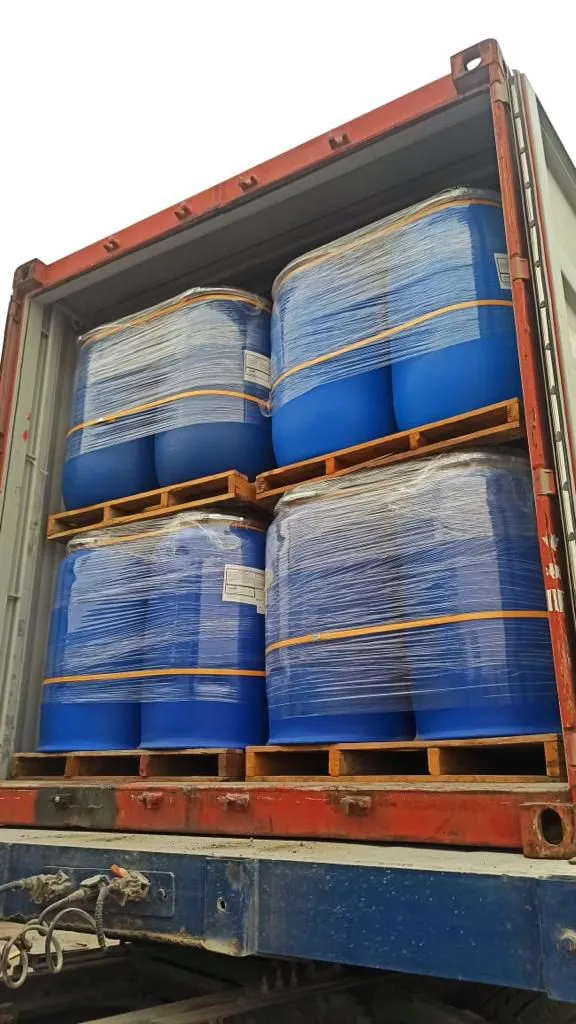
Choosing the right packaging affects not just cost, but handling efficiency and product integrity. Here’s how we load DEG for maximum safety and economy:
Sea Freight (FCL) – 20ft Container
-
18 metric tons per 20ft FCL container (our standard loading capacity)
-
Drums: 80–90 units of 220 kg steel/HDPE drums (total: 17.6–19.8 MT)
-
IBCs: 18 units of 1,000 L IBCs (total: ~18 MT)
-
Flexitanks: Single 20-ton flexitank (requires 20ft container with bulkhead)
Land Transport – Tank Truck / Turk
-
20 metric tons per rigid tank truck (Turk)
-
Ideal for domestic or intra-regional deliveries
-
Faster turnaround than containers for distances under 500 km
Bulk Options
-
ISO Tank Containers: 20–22 tons with steam heating coils for easy unloading
-
Seagoing Vessels: For mega-orders (1,000+ tons), delivered directly to your port terminal
Choosing the Right Option
-
Trial orders: Start with drums (no commitment)
-
Mid-scale production: IBCs balance volume and handling ease
-
Full-scale manufacturing: FCL containers or tank trucks give you the best efficiency
Need help deciding? Our logistics team can model shipping costs and handling time for each option—just contact us.
Get a Quote
Ready to order high-purity diethylene glycol? Request a quote today for:
-
Free sample with COA (seriously, no charge)
-
Multi-language SDS and technical data sheets
-
Custom blending with MEG or TEG
-
Emergency supply chain support
Contact our DEG specialists at Email: Info@causticsodaco.com or message us directly at WhatsApp: +971 50 720 9246. We respond the same day—because your production schedule doesn’t wait. (Contact Us)
TECHNICAL DATA SHEET OF DIETHYLENE GLYCOL (DEG)
| TEST | TEST METHOD | UNIT | VALUE |
|---|---|---|---|
| PURITY | ASTM E-202 | WT.% | 99.8 MIN. |
| MONOETHYLENE GLYCOL | ASTM E – 202 | WT.% | 0.05 MAX. |
| TRIETHYLENE GLYCOL | ASTM E – 202 | WT.% | 0.05 MAX. |
| WATER CONTENT | ASTM E – 202 | WT.% | 0.05 MAX. |
| ACIDITY AS ACETIC ACID | ASTM D – 1613 | PPM | 50 MAX. |
| ASH CONTENT | DC – 254/A | PPM | 50 MAX. |
| SPECIFIC GRAVITY (20/20℃) | ASTM D – 891 | – | ASTM D – 891 |
| COLOR | ASTM E – 1209 | Pt-co | 10 MAX. |
| DISTILLATION @ 760 MM-Hg | ASTM D – 1078 | ℃ | 242 MIN. |
| IBP | ASTM D – 1078 | ℃ | 250 MAX. |
| DP | ASTM D – 1078 | ℃ | 250 MAX. |