
Supplier of Standard Malaysian Rubber (SMR) – SMR 10, SMR 20, CV50, CV60
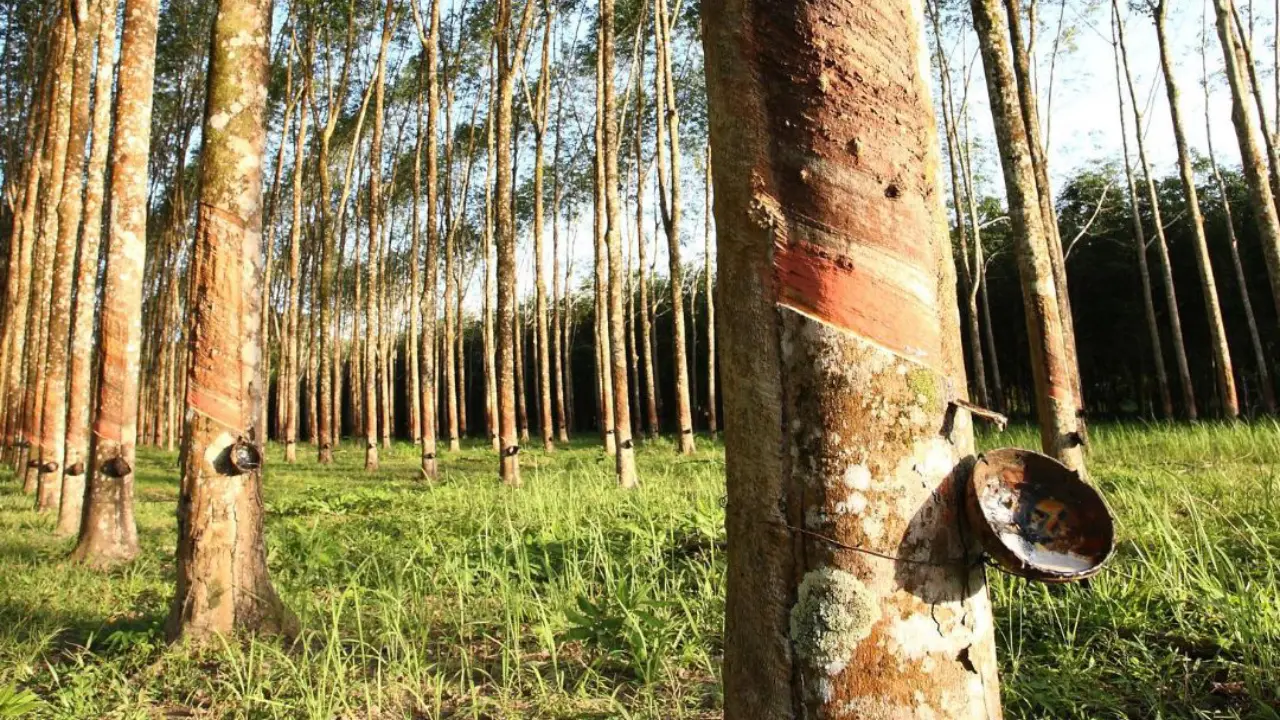
Standard Malaysian Rubber (SMR): A Comprehensive Overview
Standard Malaysian Rubber (SMR) is the global benchmark for technically specified natural rubber (TSR). As a premier Standard Malaysian Rubber supplier, we provide this comprehensive overview to detail why SMR, produced from the latex of the Hevea brasiliensis tree and standardized by the Malaysian Rubber Board, is synonymous with unmatched quality, consistency, and performance across industries. Its controlled elasticity, resilience, tensile strength, and waterproof properties make this natural polymer indispensable for high-specification applications.
Physical and Chemical Properties of SMR
The stringent technical specifications mandated by the Malaysian Rubber Board guarantee that Standard Malaysian Rubber delivers reliable performance. The key properties are meticulously controlled, as outlined below:
| Property | Specification |
|---|---|
| Appearance | Pale to dark brown solid blocks |
| Mooney Viscosity (ML 1+4, 100°C) | 65–105 |
| Dirt Content | ≤0.02% |
| Ash Content | ≤1.0% |
| Specific Gravity | Approximately 0.93 |
| Elastic Recovery | Excellent |
Advanced Production Process
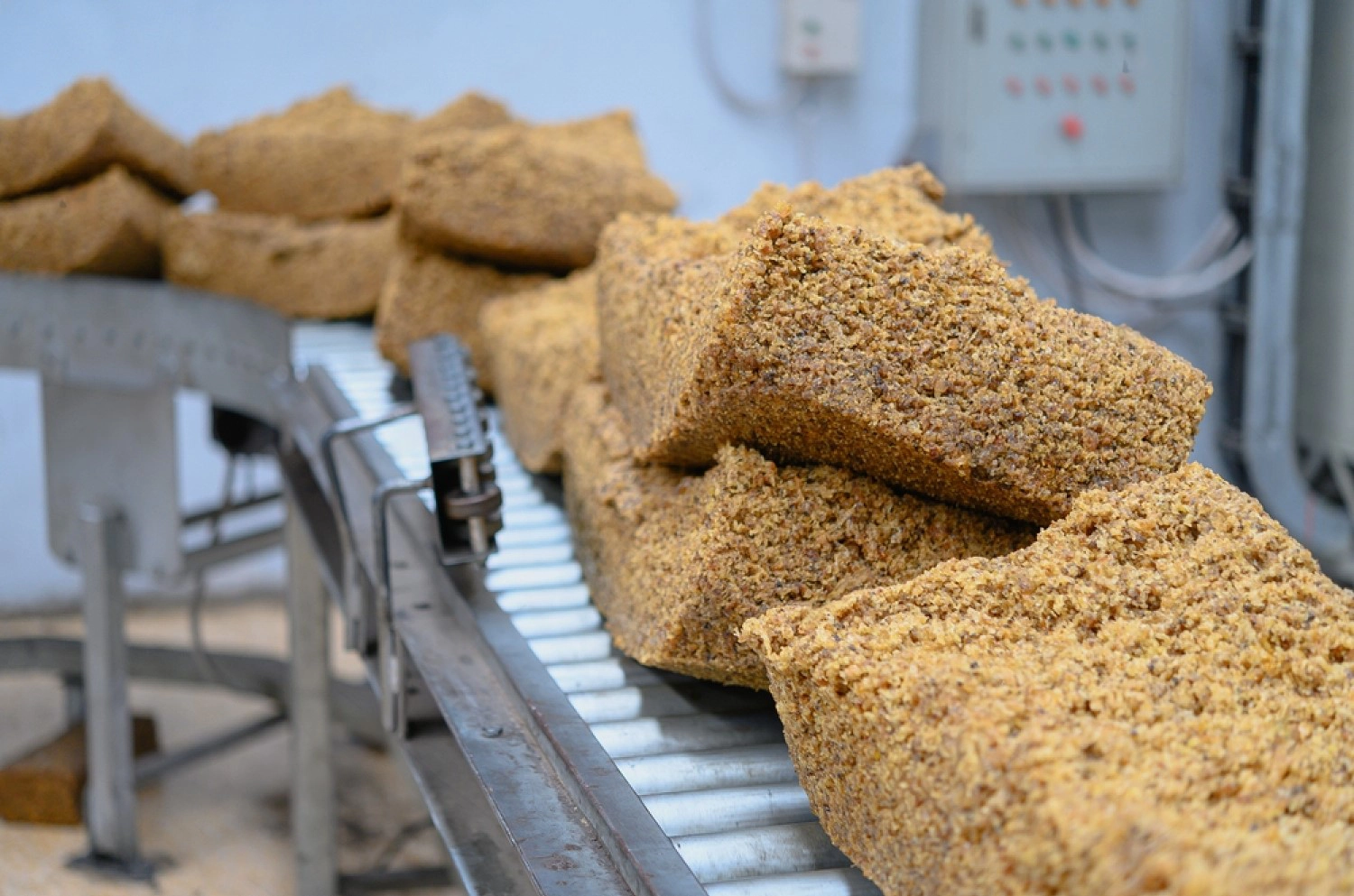
The production of Standard Malaysian Rubber follows a highly controlled and standardized methodology to guarantee purity and consistency. The process begins with fresh latex from Hevea brasiliensis trees, which is coagulated using formic acid. The coagulum is then washed, shredded, and dried under precise temperature and humidity conditions. Before baling, the dried rubber undergoes rigorous testing for viscosity, dirt, and ash content. Finally, it is pressed into uniform bales, wrapped in protective polyethylene, and labeled for export, ensuring full traceability and quality assurance.
Grades of Standard Malaysian Rubber (SMR)
The SMR grading system is designed to provide specific technical properties for a variety of industrial uses. The primary grades include:
| Grade | Description and Primary Use Case |
|---|---|
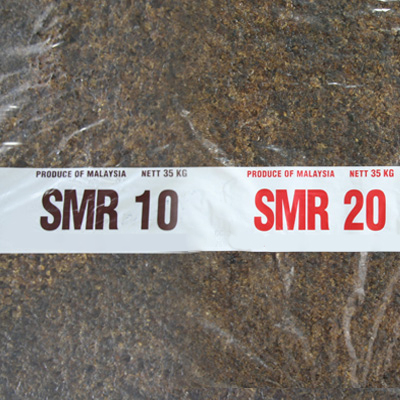
| SMR 10 | A medium-grade rubber offering a balance of cleanliness and viscosity. Ideal for tires, conveyor belts, and general molded products. |
| SMR 20 | The most widely used industrial grade, valued for its excellent strength, durability, and processing efficiency. It is the material of choice for tire manufacturing and mechanical rubber goods. |
| SMR GP | A General-Purpose grade suitable for applications where cost-efficiency and good elasticity are paramount, such as in footwear, mats, and hoses. |
| SMR CV50 | A constant-viscosity grade engineered for precision applications demanding uniform processing. Commonly used in high-quality molded and extrusion products. |
| SMR CV60 | Similar to SMR CV50 but with a slightly higher viscosity, providing exceptional performance stability and dimensional accuracy for engineering and automotive components. |
Each grade of Standard Malaysian Rubber is meticulously processed to meet international quality benchmarks, ensuring dependable performance in demanding industrial environments.
Key Applications and Industry Uses
Tire and Tube Manufacturing
Standard Malaysian Rubber is a cornerstone of the tire industry, where its superior elasticity, tensile strength, and abrasion resistance are essential. It is a critical component in tread compounds, sidewalls, and inner liners, delivering enhanced grip, durability, and heat resistance for extended tire life.
Automotive Components
In the automotive sector, SMR is integral to producing high-performance bushings, gaskets, seals, hoses, and vibration-dampening mounts. Its ability to withstand mechanical stress, heat, and vibration enhances vehicle safety, reliability, and passenger comfort.
Industrial Belts, Hoses, and Mechanical Goods
SMR’s intrinsic strength, flexibility, and wear resistance make it the ideal material for conveyor belts, transmission belts, industrial hoses, and rubber rollers. These products deliver reliable performance under high stress, reducing maintenance costs and downtime in mining, manufacturing, and agriculture.
Footwear and Consumer Products
For consumer goods like shoe soles, gloves, and molded household items, SMR provides a perfect combination of elasticity, softness, and durability. Its resistance to water and abrasion ensures comfort and long-term product life.
Adhesives, Sealants, and Coatings
The natural tackiness and cohesive strength of SMR are leveraged in pressure-sensitive adhesives, waterproof sealants, and protective coatings. It enhances adhesion and flexibility in construction, packaging, and automotive applications.
Medical and Pharmaceutical Applications
Highly purified grades of Standard Malaysian Rubber are specified for medical devices, pharmaceutical stoppers, and laboratory accessories. Its chemical purity, elasticity, and biocompatibility meet the stringent regulatory standards of the healthcare industry.
Handling, Storage, and Transportation Protocols
To maintain the integrity of Standard Malaysian Rubber, strict protocols must be followed.
- Handling: Utilize clean gloves and equipment to prevent contamination or physical damage to the bales.
- Storage: Store in a cool, dry, and well-ventilated area, shielded from direct sunlight, heat sources, and oxidizing agents.
- Transportation: Ensure bales are protected from moisture and secured properly to prevent shifting or damage during transit.
Packing and Logistics Specifications
- Bale Weight: Standardized at 33.33 kg or 35 kg.
- Container Loading (20-ft): Approximately 19–20 metric tons.
- Container Loading (40-ft): Approximately 26–28 metric tons.
Each bale is wrapped in a polyethylene sheet and stacked on pallets for secure handling and efficient global transport.
Your Trusted Source for Premium Rubber Solutions
Understanding the nuances of Standard Malaysian Rubber—from its technical properties and grades to its correct handling—is key to ensuring success in your manufacturing process. As a dedicated Standard Malaysian Rubber Supplier, we provide not only consistent, high-quality SMR grades like SMR 20 and CV60 but also the technical expertise to help you select the ideal material for your application.
Contact us today for detailed specifications, samples, or to discuss your specific SMR supply requirements.
Specification of Natural Rubber
| Parameter | Unit | SMR CV50 | SMR CV60 | SMR L | SMR 5 | SMR GP | SMR 10 | SMR 10CV | SMR 20 | SMR 20CV |
| Dirt (max) | %wt | 0.02 | 0.02 | 0.02 | 0.05 | 0.08 | 0.08 | 0.08 | 0.16 | 0.16 |
| Ash (max) | %wt | 0.50 | 0.50 | 0.50 | 0.60 | 0.75 | 0.75 | 0.75 | 1.00 | 1.00 |
| Nitrogen (max) | %wt | 0.60 | 0.60 | 0.60 | 0.60 | 0.60 | 0.60 | 0.60 | 0.60 | 0.60 |
| Volatile Matter (max) | %wt | 0.80 | 0.80 | 0.50 | 0.80 | 0.80 | 0.80 | 0.80 | 0.80 | 0.80 |
| Po (min) | NA | NA | 35 | 30 | NA | 30 | NA | 30 | NA | |
| PRI Index (min) | 60 | 60 | 60 | 60 | 50 | 50 | 50 | 40 | 40 | |
| Lovibond Color: individual value (max) |
NA | NA | 6.0 | NA | NA | NA | NA | NA | NA | |
| Lovibond Color: range (max) |
NA | NA | 2.0 | NA | NA | NA | NA | NA | NA | |
| Mooney Viscosity (ML, 1+4, 100ºC) |
50 +/- 5 | 60 +/- 5 |
NA | NA | 65 +7/-5 |
NA | 60 +7/-5 |
NA | 65 +7/-5 |