
Supplier of Sulfuric Acid From Turkey and Dubai UAE
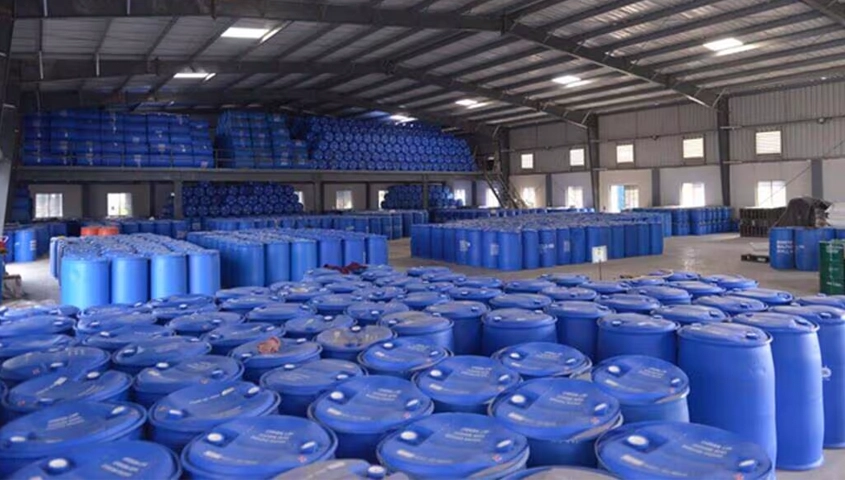
Sulfuric acid (H₂SO₄), historically known as oil of vitriol, is the world’s most widely used industrial chemical. This dense, highly corrosive mineral acid earned its title as the “king of chemicals” through its indispensable role across modern manufacturing. From phosphate fertilizer production to lead-acid battery electrolyte formulation, strong acid applications drive the global industry.
Whether you’re a procurement manager sourcing technical-grade H₂SO₄ or a chemical engineer optimizing contact process operations, this guide delivers essential technical data, safety protocols, and commercial specifications for your sulfuric acid requirements.
Physical and Chemical Properties of Sulfuric Acid
Understanding this diprotic acid’s characteristics ensures safe industrial deployment. Below are the definitive technical specifications:
| Property | Specification | Notes |
|---|---|---|
| Chemical Formula | H₂SO₄ | Molecular structure: H-O-S(=O)₂-O-H |
| Molar Mass | 98.08 g/mol | Standard analytical value |
| Appearance | Colorless to pale yellow, oily liquid | Color deepens with impurities |
| Density | 1.84 g/cm³ at 20°C (concentrated) | ACS reagent grade |
| Melting Point | 10°C (pure), 3°C (98% solution) | Freezing point considerations for storage |
| Boiling Point | 337°C (98.3% azeotrope) | Decomposes above 340°C |
| pH Value | <1.0 (0.5M solution) | Highly acidic |
| Solubility | Miscible with water (highly exothermic) | Always add acid to water |
| Viscosity | 24 cP at 25°C | Oily consistency |
| Reactivity | Strong dehydrating agent and oxidizer | Reacts violently with water, metals, bases |
These properties make H₂SO₄ essential for chemical synthesis, pH control, and industrial processes requiring a robust acid catalyst.
Industrial Grades and Types of Sulfuric Acid
Different applications demand specific concentrations and purity levels. Selecting the correct grade optimizes performance and cost-efficiency.
Battery Grade (36-37% concentration)
Specifically formulated for lead-acid battery electrolyte, this grade meets ASTM D1364 standards for automotive and industrial batteries. Low impurity levels prevent plate sulfation and extend battery life.
Technical Grade (93-98% concentration)
The workhorse of industrial chemical manufacturing, technical grade sulfuric acid serves wastewater treatment, metal pickling, and general chemical processing. This versatile grade balances purity with economy for large-scale operations.
Chemically Pure (CP) Grade
99.9% purity for pharmaceutical synthesis, analytical laboratories, and semiconductor manufacturing. Meets ACS reagent specifications with tightly controlled impurity profiles.
Oleum (Fuming Sulfuric Acid)
Contains 20-65% free SO₃, creating an extremely corrosive liquid with powerful sulfonating properties. Essential for nitration reactions, dye manufacturing, and specialized chemical synthesis requiring enhanced dehydrating agent capabilities.
Diluted Solutions (Custom Concentrations)
Pre-blended H₂SO₄ solutions at 10%, 25%, or 50% concentrations for precise pH adjustment applications. Eliminates on-site dilution hazards and ensures batch consistency.
Major Applications and Industrial Uses
Sulfuric acid’s reactive properties enable diverse manufacturing processes across eight critical industries:
Fertilizer Manufacturing: The Largest Consumer
Approximately 65% of global H₂SO₄ production supports phosphate fertilizer production. The strong acid reacts with phosphate rock to produce phosphoric acid, which is subsequently manufactured into Monoammonium Phosphate (MAP) and Diammonium Phosphate (DAP). This single application consumes over 200 million tons annually.
Battery Industry: Energy Storage Foundation
As the primary electrolyte in lead-acid batteries, sulfuric acid enables the electrochemical reaction that powers automotive starting, lighting, and ignition systems. Battery grade Sulphuric Acid concentration is precisely controlled at 1.28 specific gravity for optimal performance.
Petroleum Refining: Fuel Quality Enhancement
Alkylation units consume technical-grade acid to produce high-octane gasoline components. The corrosive liquid acts as an acid catalyst to combine isobutane with olefins, removing impurities and improving fuel stability.
Metal Processing & Mining: Extraction and Purification
Heap leaching operations use H₂SO₄ to dissolve copper, nickel, and zinc from ore bodies. Metal pickling processes remove oxide scales from steel surfaces, preparing them for galvanization or coating.
Chemical Manufacturing: Building Block Industries
This industrial chemical serves as the foundation for producing:
-
Hydrochloric acid (HCl) via salt reaction
-
Nitric acid is produced through the contact process
-
Synthetic detergents and dyes
-
Explosives and pharmaceutical intermediates
These processes often require neutralization with Caustic Soda Flakes for final pH adjustment.
Pulp & Paper: Process Control
Water Treatment: Neutralization and Precipitation
Textile & Dye Manufacturing: Catalytic Processing
Handling, Storage, and Safety Compliance
As an extremely corrosive liquid with UN1830 classification, sulfuric acid demands rigorous safety protocols per OSHA and EPA guidelines.
Storage Requirements
-
Containers: HDPE drums, Intermediate Bulk Containers (IBCs), or ISO tanks with corrosion-resistant linings
-
Environment: Cool, ventilated areas below 35°C; separate from water sources and incompatible materials
-
Secondary Containment: Diked areas with 110% capacity for spill prevention
Personal Protective Equipment (PPE)
-
Chemical-resistant gloves (neoprene or butyl rubber)
-
Safety goggles with a face shield
-
Acid-resistant apron or full encapsulated suit for bulk operations
-
Respirator with acid gas cartridge in poorly ventilated areas
Spill Response and Neutralization
Emergency First Aid
-
Skin Contact: Remove contaminated clothing, flush with water for 15+ minutes
-
Eye Contact: Irrigate eyes at the eyewash station for 15+ minutes minimum
-
Inhalation: Move to fresh air immediately
-
Ingestion: Do NOT induce vomiting; give water if conscious
-
Medical Attention: ALWAYS required after significant exposure
Packaging and Bulk Supply Options
Standard Packaging Configurations
-
30-250 kg HDPE drums: Ideal for small-batch chemical synthesis and pilot plants
-
1,000-liter IBCs: Medium-scale manufacturing and storage; UN-certified for transport
-
ISO tank containers: 20-25 metric ton capacity for efficient international shipping
-
Custom packaging: Available for specialized concentrations or contract manufacturing
Container Loading Specifications
A standard 20-foot shipping container accommodates:
-
Drums: 80 drums (200 kg each) = 16 metric tons
-
IBCs: 18 IBCs (1,000L each) = 18-20 metric tons
-
Totes: Flexible intermediate bulk containers up to 22 tons
All packaging meets UN1830 hazardous material regulations with proper labeling and documentation for global delivery.
Environmental and Regulatory Compliance
Key Regulations
-
OSHA 29 CFR 1910.1200: Hazard Communication Standard
-
EPA 40 CFR 261: Hazardous waste management
-
DOT 49 CFR: Transportation under UN1830 classification
-
REACH Compliance: EU chemical registration requirements
Sustainable Practices
Procurement and Technical Support
Ready to Order? Our chemical supply specialists provide:
-
Minimum Order Quantity: 1 IBC (1,000L)
-
Technical grade, battery grade, and custom H₂SO₄ formulations
-
24-hour quotation response
-
SDS documentation and regulatory support
-
Global shipping coordination
Contact our industrial chemical team for volume pricing, specification sheets, and logistics planning.
Technical Data Sheet of Sulfuric Acid (H₂SO₄)
| Property | Units | Limit | Result | Test method |
|---|---|---|---|---|
| H2SO4 Min | %w/w | 96 | 98 | ISIRI 210 |
| Fe Max | ppm | 60 | 9.26 | ISIRI 210 |
| As Max | ppm | 40 | 0.80 | ISIRI 210 |
| Non-volatile Material. Max | %w/w | 0.05 | 0.001 | ISIRI 210 |

Technical Data Sheets of Sulfuric Acid (For Download TDS Click Here)