
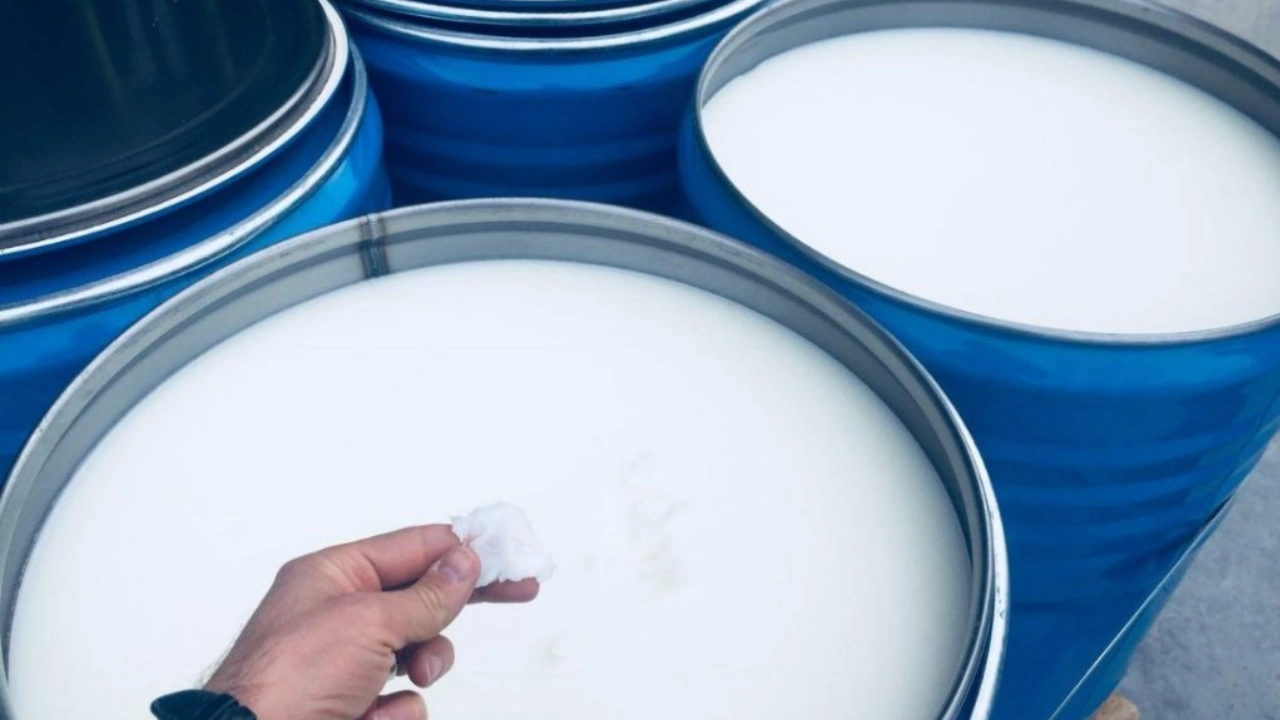
As a dedicated pharmaceutical petroleum jelly supplier, we provide high‑purity white petrolatum (white soft paraffin) for regulated pharmaceutical and premium personal care applications. Our pharma‑grade petroleum jelly is used globally as an ointment base, skin protectant, emollient, and formulation aid in topical, oral care, ophthalmic, and other healthcare products.
We serve manufacturers that require consistent quality, full regulatory documentation, and secure long‑term supply from a professional, export‑oriented partner. (Contact Us)
What Is Pharmaceutical Petroleum Jelly and Why Is It Important?
Pharmaceutical petroleum jelly is a highly refined, semi‑solid mixture of saturated hydrocarbons derived from petroleum. When purified to pharmacopoeial standards, it is known as white petrolatum or white soft paraffin and is widely used as an excipient and skin protectant.
Key characteristics:
- INCI / Common names: Petrolatum, White Petrolatum, White Soft Paraffin
- Standards: Typically complies with USP, EP, BP, and relevant national pharmacopoeias
- Appearance: White to slightly off‑white, translucent, semi‑solid
- Odor / taste: Practically odorless and tasteless
- Melting range: Approx. 38–60 °C, depending on grade
- Composition: Highly refined saturated hydrocarbons with very low PAH (polycyclic aromatic hydrocarbons)
- Functions: Occlusive barrier, emollient, lubricant, formulation base
Because of its chemical stability, excellent skin tolerability, and occlusive properties, pharmaceutical petroleum jelly is a key excipient in dermatology, wound care, and many OTC and cosmetic products worldwide.
Types and Grades of Pharmaceutical Petroleum Jelly
White Petrolatum USP / EP / BP
Our primary portfolio consists of white petroleum Jelly grades that meet major pharmacopoeial requirements:
- USP White Petrolatum
- EP White Soft Paraffin
- BP White Soft Paraffin
Typical features:
- Highly refined, de‑aromatized hydrocarbon base
- Very low PAH content
- Tight control of melting point, penetration, and viscosity
- Suitable for a wide range of pharmaceutical and personal care formulations
Common uses include ointments, creams, gels, balms, barrier products, and protective skincare.
Yellow Soft Paraffin (Medicinal Grade)
For specific applications and markets where a yellow hue is acceptable or preferred, we offer medicinal yellow soft paraffin with:
- Controlled color and oxidative stability
- Suitable odor and taste profile
- Physicochemical properties appropriate for medical and topical use
These grades are used in traditional ointments, balms, and protective dressings in selected regions.
Specialty and Customized Grades
We also supply specialized grades tailored to more demanding applications, including:
- Low‑PAH / ultra‑low PAH grades meeting stringent EU and international guidelines
- Grades suitable as ophthalmic bases (when combined with appropriate sterile processing)
- High‑melting grades for warm climates or formulations requiring a firmer texture
- Blends with microcrystalline wax for enhanced structure and stability
These customized solutions are ideal for companies developing differentiated products or filing for strict regulatory approvals.
2025 Market Insights for Pharmaceutical Petroleum Jelly
Demand for pharmaceutical petroleum jelly continues to grow and is supported by:
- Expansion of dermatology, wound care, and OTC topical segments
- Rising global demand for moisturizing and barrier‑repair skincare
- Widespread use of white petrolatum as a cost‑effective, well‑tolerated excipient
- Growth in emerging markets is increasing local pharmaceutical production
By 2025, market trends include:
- Strong focus on USP/EP/BP compliance and harmonized quality standards
- Stricter limits on PAH and other impurities in hydrocarbon excipients
- Preference for GMP‑compliant, auditable supply chains
- Closer alignment of requirements between pharmaceutical and high‑end cosmetic uses
Manufacturers increasingly expect their pharmaceutical petroleum jelly supplier to provide reliable quality systems, traceability, and regulatory support.
Key Applications of Pharmaceutical Petroleum Jelly
As a trusted pharmaceutical petroleum jelly supplier, we support a broad range of pharmaceutical, personal care, medical, and veterinary applications.
Pharmaceutical and OTC Applications
- Dermatological ointments and creams
- Bases for corticosteroid, antibiotic, antifungal, and anti‑inflammatory products.
- Barrier creams and protectants
- Products for diaper rash, atopic dermatitis, dry/cracked skin, and minor irritations.
- Wound care and healing products
- Non‑adherent ointments and dressings that help maintain a moist healing environment.
- Ophthalmic ointment bases
- Used in eye ointments when combined with sterile manufacturing and compatible co‑excipients.
- Nasal and lip preparations
- Balms and protective salves for the nasal passage and lip care.
- Rectal and vaginal preparations
- Co‑excipients in selected suppository and topical formulations, depending on product design.
Personal Care and Cosmetics
- Skin care
- Intensive moisturizers, barrier creams, balms, and night treatments.
- Lip care
- Lip balms, salves, and protective sticks.
- Baby care
- Protective creams and ointments for infants and sensitive skin.
- Hair care and styling
- Pomades and styling products that require a semi‑solid, occlusive base.
Medical Devices and Healthcare
- Device lubricants
- For selected non‑invasive devices, closures, and fittings, subject to compatibility.
- Protective coatings
- Temporary protective layers on skin or components in healthcare environments.
Veterinary and Animal Health
- Topical veterinary ointments and balms
- Used as an excipient in creams, salves, and barrier products for animals.
These applications demonstrate the versatility of pharmaceutical petroleum jelly as a stable, well‑known, and widely accepted base material.
Pharmaceutical Petroleum Jelly Price and Supply
For many manufacturers, the pharmaceutical petroleum jelly price is a significant part of the overall cost of goods, especially for high‑volume OTC and personal care lines. Key pricing drivers include:
- Crude oil and base oil market conditions
- Refining and purification costs required to achieve pharmaceutical‑grade quality
- Compliance with USP/EP/BP and any additional customer‑specific specifications
- Packaging format, transportation route, and storage requirements
- Order volume, contract duration, and overall supply‑chain setup
As a professional pharmaceutical Vaseline supplier, we emphasize:
- Transparent, explainable pricing linked to real cost drivers
- Medium‑ and long‑term agreements to support cost planning and security of supply
- Optimized logistics and warehousing to reduce total delivered cost
Because each project, grade, and destination is different, we provide tailored quotations rather than generic list prices.
If you would like a current pharmaceutical petroleum jelly price indication or a formal quote based on your grade, volume, and delivery terms, please contact us directly by phone or email. Our team will prepare a detailed technical and commercial offer aligned with your application and regulatory needs.
Packaging, Handling, and Storage of Pharmaceutical Petroleum Jelly
Packaging
Our pharma‑grade petroleum jelly is packed in new, export‑quality drums suitable for regulated markets:
- Standard packaging
- New steel or PE drums, 190 kg net each
- A 20 ft container can be loaded with 80 drums of pharmaceutical petroleum jelly
- Most economical option
- A 40 ft container can be loaded with 145 drums, providing the best freight cost per ton for bulk buyers
- Flexible options (on request)
- Alternative drum sizes of 25 kg, 50 kg, and 90 kg can be supplied according to customer demand and production needs
All drums are new and clean, securely closed, and clearly labeled with product name, grade, batch number, net weight, and shelf life to support GMP and full traceability.
Handling
Although pharmaceutical petroleum jelly is generally non‑hazardous and well-tolerated, professional handling is essential in pharma and cosmetic environments:
- Use clean, dedicated pumps, hoses, and kettles to avoid cross‑contamination
- Heat gently and uniformly only to the temperature needed for pumping or mixing; avoid overheating and localized hot spots
- Keep drums closed when not in use and minimize open handling time
- Follow your internal GMP and hygiene procedures and use appropriate protective clothing and equipment
A product‑specific Safety Data Sheet (SDS) and handling recommendations are provided with each shipment.
Storage
Proper storage ensures long‑term quality and regulatory compliance:
- Store in a cool, dry, well‑ventilated area, away from direct sunlight and heat sources
- Keep drums upright and tightly closed to prevent contamination and ingress of dust or moisture
- Avoid prolonged exposure to high temperatures, which may affect consistency and appearance
- Operate a FIFO (First In, First Out) system to use material within the recommended shelf life
- Routinely inspect stored drums and, where applicable, bulk systems for cleanliness and integrity
These measures help preserve the pharmaceutical‑grade quality of petroleum jelly from receipt to final product manufacturing.
Partner with a Trusted Pharmaceutical Petroleum Jelly Supplier
We supply pharmaceutical‑grade petroleum jelly—including white petrolatum and medicinal soft paraffin—tailored to the needs of regulated pharmaceutical, OTC, and high‑quality personal care manufacturers. Our focus is on:
- Consistent, compliant quality
- Robust documentation and technical support
- Secure, reliable global supply and export capability
For technical specifications, pharmaceutical petroleum jelly price enquiries, or long‑term supply discussions:
Phone / WhatsApp: +971 50 720 9246
Email: info@causticsodaco.com
Website: www.causticsodaco.com
Common Questions (FAQ)
1. Which European countries can you export pharmaceutical petroleum jelly to?
We can export pharma‑grade petroleum jelly to most European markets, including:
Romania, Serbia, Greece, Bulgaria, Ukraine, Poland, Italy, Bosnia and Herzegovina, the Balkans, North Macedonia, Croatia, Slovenia, Austria, Slovakia, Hungary, and Lithuania.
Other European destinations can be served on request.
2. Which African countries can you export pharmaceutical petroleum jelly to?
As a supplier of pharmaceutical petroleum jelly to African markets, we can export to:
Sudan, Nigeria, Ghana, Algeria, Morocco, South Africa, Djibouti, Ethiopia, Tanzania, and Kenya.
We can also assess shipments to additional African countries based on your specific enquiry.
3. Which packaging options are available for pharmaceutical petroleum jelly?
Pharmaceutical petroleum jelly is typically packed in new steel or PE 190 kg drums.
- A 20 ft container holds 80 drums
- A 40 ft container holds 145 drums (the most economical choice for bulk shipments)
We are flexible and can also supply 25 kg, 50 kg, and 90 kg drums on request, depending on your production setup and regulatory requirements.
4. What is the minimum order quantity (MOQ) for pharma petroleum jelly?
For shipments of pharmaceutical petroleum jelly to African countries, the typical MOQ is around 20 metric tons (approximately one 20 ft container, depending on packing and destination).
For European and other regions, MOQs may vary by grade, packaging type, and port of discharge. Please contact us with your location and volume requirements so we can confirm the applicable MOQ and shipment options.