
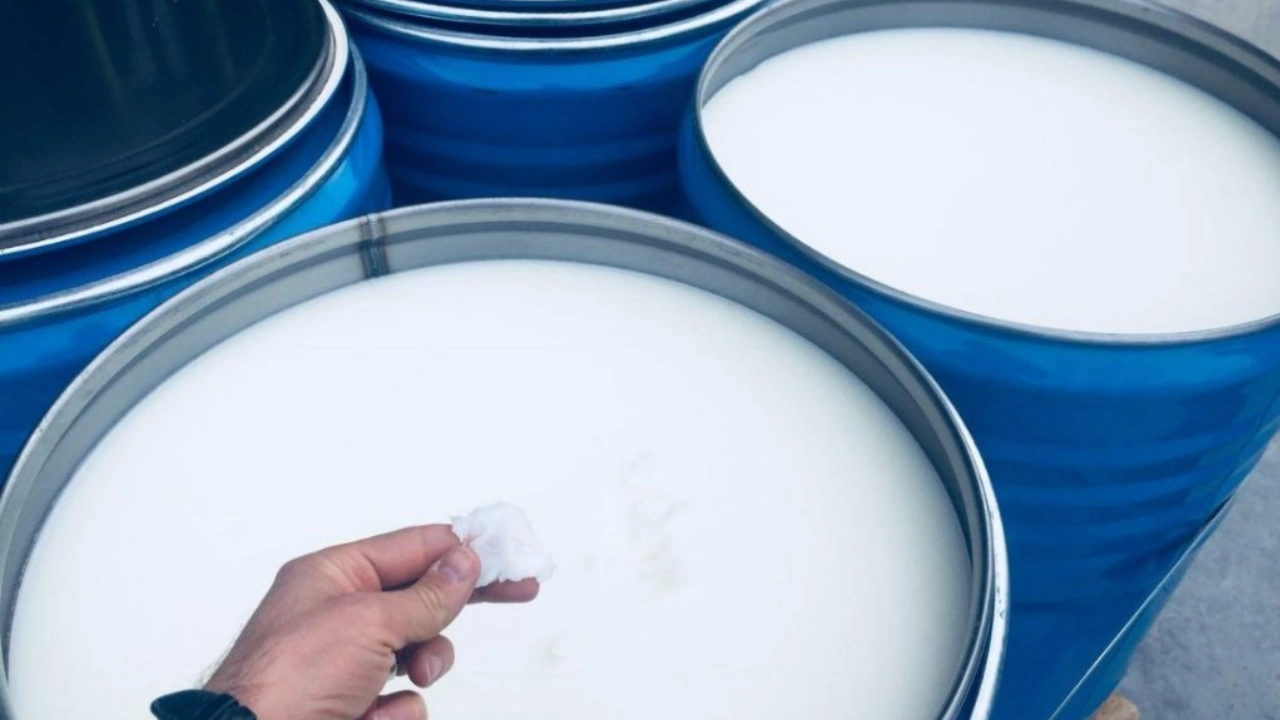
White Petroleum Jelly (also known as white petrolatum) is a highly refined, semi-solid hydrocarbon used as an occlusive moisturizer, skin protectant, and ointment base. It is valued for its stability, neutral appearance, and broad compatibility across personal care, pharmaceutical, and industrial use-cases.
As a White Petroleum Jelly supplier for 10 years, we support customers across Europe, Africa, and South America with consistent quality, export-ready packaging, and the documentation manufacturers need for audits and registrations. (Contact Us)
What Is White Petroleum Jelly?
White Petroleum Jelly is a purified mixture of saturated hydrocarbons (oily and waxy fractions) refined from petroleum streams. Its refined “white” grade is typically selected when low odor, clean appearance, and consistent performance are required for cosmetic and pharmaceutical manufacturing.
Typical characteristics:
- Appearance: white to off-white, translucent to opaque
- Odor/taste: odorless to nearly odorless; nearly tasteless
- Solubility: insoluble in water
- Texture: semi-solid; softens near body temperature for easy spreading
White Petroleum Jelly is widely recognized as an occlusive ingredient that helps reduce moisture loss by forming a protective film on the skin. Dermatology guidance commonly classifies petrolatum as an occlusive moisturizer used to “seal in” hydration.
How White Petroleum Jelly Is Made
Production generally involves refining/purification of suitable petroleum fractions, followed by controlled finishing to achieve the target consistency and appearance. Depending on the manufacturer and grade, finishing may include blending purified oils and waxy fractions and cooling under controlled conditions for uniform texture.
For buyers, what matters most is not a single “universal” recipe, but verified finished specifications and traceability through:
- COA (Certificate of Analysis)
- TDS (Technical Data Sheet)
- SDS (Safety Data Sheet)
Key Properties of White Petroleum Jelly
- Occlusive barrier: helps reduce transepidermal water loss (TEWL) by forming a protective layer on skin
- Water repellency: useful for shielding skin/surfaces from moisture exposure
- High stability: resistant to oxidation and breakdown under normal storage conditions
- Versatile base: widely used as a petrolatum ointment base for topical formulations
- Clean aesthetics: “white” grade supports neutral appearance and low odor in finished products
Note on “non-comedogenic”: comedogenicity can vary by person and routine. Many people tolerate petrolatum well, but it’s best to avoid absolute claims and position it as widely used and commonly tolerated.
Applications of White Petroleum Jelly
Below are expanded application headings you can use on the page (and internally link to product, COA/TDS, packaging, or inquiry pages).
Skincare and Personal Care Applications
Daily occlusive moisturizer for dry skin
Used to reduce moisture loss on very dry areas such as hands, elbows, knees, and heels—especially in low-humidity climates.
Lip care and protective balms
A common base for lip products and overnight lip protection due to its barrier-forming behavior.
Hand care and barrier creams
Used in protective hand products for frequent-wash environments, helping reduce irritation from repeated cleansing.
Foot care for cracked heels
Frequently used in intensive heel balms and occlusive overnight routines (often paired with socks for increased effect).
Makeup and cleansing use
Used in some routines as a makeup remover for stubborn products; also used to create a glossy finish in certain cosmetics.
Hair and scalp use in specific formulations
Can appear in pomades and protective hairdress products where shine and moisture retention are desired (formulation and washability should be considered).
Baby Care and Family Care Applications
Diaper area barrier products
White Petroleum Jelly is commonly used to help reduce friction and protect skin from wetness in diaper-area products.
Chafing and friction protection
Used in anti-chafe balms for athletes and daily comfort products (inner thighs, underarms, etc.).
Dermatology and Clinical-Adjacent Applications
Post-procedure occlusive support
Often used as an occlusive layer in aftercare when recommended by clinicians (for example, to reduce dryness and protect the skin surface).
Widely used in sensitive-skin routines because it is simple, fragrance-free (when sold as such), and strongly occlusive.
Important: Always align claims with local regulations and product labeling. Avoid implying treatment of diseases unless your finished product is regulated and labeled accordingly.
Pharmaceutical and Manufacturing Applications
Ointment base for topical formulations
White Petroleum Jelly is a standard ointment base for many topical products, valued for stability and compatibility.
Processing aid in cosmetic/pharma manufacturing
Used as a structuring and texture component in balms, salves, protective creams, and certain stick products, depending on the formula design.
U.S. regulatory context: petrolatum is used in OTC skin protectant drug products under the FDA’s OTC monograph framework (requirements depend on the finished product and labeling). The FDA also explains it does not “approve” cosmetics in the way many people assume.
Veterinary and Animal Care Applications
Paw and skin protection
Used in some animal care products to help protect paws/skin from dryness and environmental exposure (formulation and veterinary guidance recommended).
Tattoo and Professional Aftercare Products
Occlusive aftercare formulations
Used in some professional aftercare products as an occlusive component to reduce dryness and protect the skin surface (follow local professional guidance and hygiene practices).
Industrial, Maintenance, and Workshop Applications
Rust and corrosion prevention during storage
Applied as a protective film on tools, dies, or metal parts to reduce exposure to moisture and air.
Light-duty lubrication
Used for light lubrication on hinges, rails, threads, and moving parts where a specialized lubricant is not required (and where operating temperature is appropriate).
Rubber gasket and seal conditioning
Used in some maintenance routines to reduce drying of certain rubber parts. Compatibility varies by polymer—test before large-scale use.
Cable pulling and assembly aid
Sometimes used as a slip aid in assembly tasks (always confirm material compatibility and whether residue is acceptable for your process).
Mold release for non-critical processes
Used in some workshops as a release aid (for example, in craft or non-critical molding). Verify compatibility with your mold material and finished surface requirements.
White Petroleum Jelly vs Yellow Petrolatum
Both are petrolatum-based, but white petroleum jelly is typically more refined and preferred when appearance, odor neutrality, and cosmetic/pharma suitability matter.
- White Petroleum Jelly (white petrolatum): cleaner look and lower odor; common in cosmetics/pharma
- Yellow petrolatum: more color; often used where aesthetics are less important
For regulated markets and sensitive formulations, buyers typically request documentation showing the grade supplied and relevant specifications.
Bulk Packaging Options for White Petroleum Jelly
Common export-friendly packaging formats include:
- 220 kg PE drum (bulk manufacturing)
- 175 kg iron drum (industrial supply chains)
- 20 kg pail (labs, pilot batches, small production)
If you ship internationally, confirm pallet configuration, labeling language, and customs documentation requirements per destination country.
Storage and Handling Guidelines
- Storage: keep in a cool, dry place away from direct sunlight and heat sources
- Sealing: keep drums/pails closed when not in use to prevent contamination
- Hygiene: use clean tools/dispensing equipment, especially for cosmetic or pharmaceutical production environments
- Heating (bulk handling): Use appropriate PPE and controlled heating procedures to prevent burns and maintain consistency
Shelf life is typically long due to high stability, but in B2B supply, the practical shelf life/retest period should be confirmed on the COA and supplier documentation (avoid claiming “indefinite shelf life” on-page).
What Buyers Should Request From a White Petroleum Jelly Supplier
- COA (batch-specific)
- TDS and SDS
- Specification consistency (appearance/odor, penetration/consistency, congealing point—based on your standard)
- Traceability and batch coding
- Export documentation (packing list, COO where required, etc.)
- Regulatory support for destination markets (as applicable to your customers)
Conclusion
White Petroleum Jelly is a proven, high-utility ingredient used across skincare, baby care, pharmaceutical manufacturing, and industrial maintenance thanks to its occlusive barrier performance, water repellency, and excellent stability.
With 10 years of supply experience and shipments to Europe, Africa, and South America, we support manufacturers and distributors with consistent bulk supply, packaging options, and complete technical documentation.
Request a quote, COA/TDS, and available packaging options for White Petroleum Jelly to match your application and target market.