
Supplier of Petroleum Jelly Cosmetic Grade From Turkey and UAE
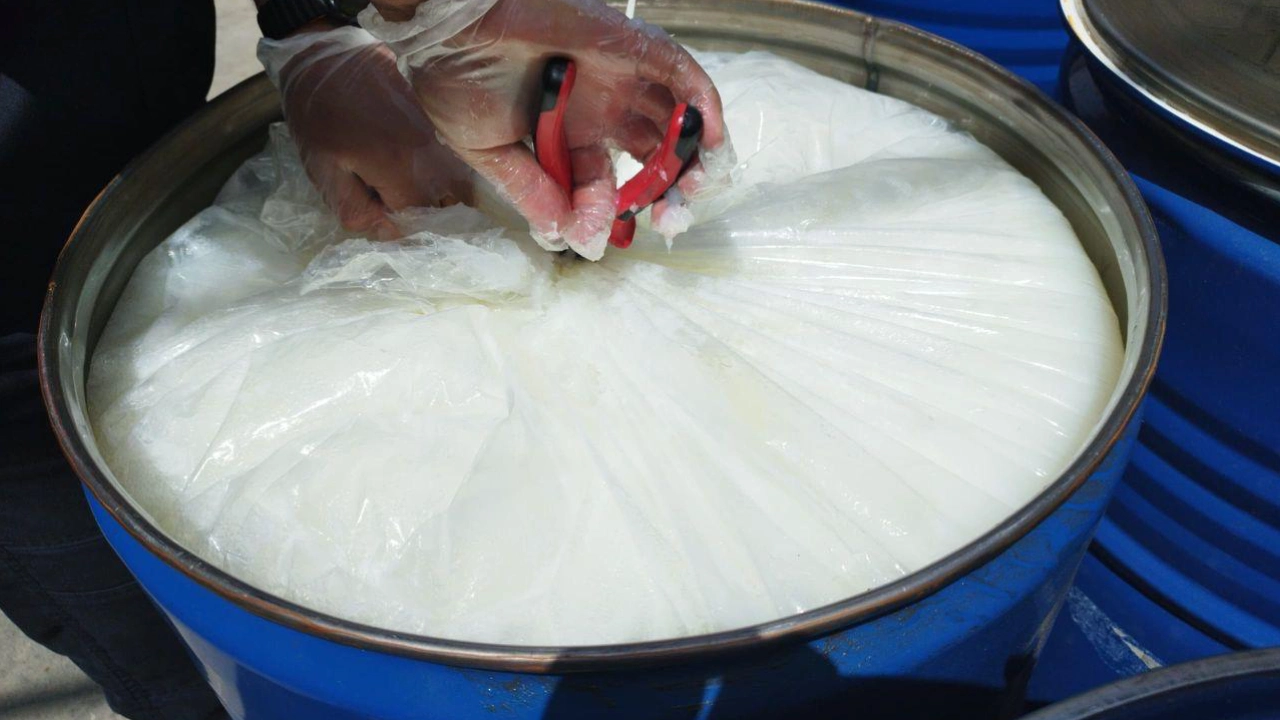
Cosmetic Petroleum Jelly Overview
If you’re developing skincare, lip balms, or pharmaceutical ointments, chances are you’ve worked with cosmetic petroleum jelly. This incredibly versatile ingredient—also known as petrolatum or soft paraffin—has been a staple in personal care formulations for decades. But here’s the thing: not all petrolatum is created equal, and sourcing the right grade can make or break your product’s performance.
Whether you’re a seasoned cosmetic chemist or formulating your first healing balm, this guide walks you through everything you need to know about cosmetic grade petroleum jelly: from its unique occlusive properties to supplier selection and proper storage. Let’s dive in.
What Is Cosmetic Petroleum Jelly, Really?
At its core, cosmetic petroleum jelly (CAS 8009-03-8) is a highly refined, semi-solid mixture of hydrocarbons derived from petroleum. The “cosmetic grade” designation isn’t just marketing fluff—it means this petrolatum has undergone rigorous purification through multiple distillation and filtration cycles to meet strict international safety standards.
But what does that mean for your formulations? Simply put, you get an odorless, hypoallergenic base that’s safe for direct skin contact and gentle enough for sensitive skin applications. This level of refinement is what separates cosmetic grade from industrial variants, which you’ll never want to see near a skincare product.
Why Formulators Swear By These Properties
The magic of cosmetic petroleum jelly lies in its molecular structure and physical characteristics. Here’s what makes it irreplaceable in modern personal care:
| Property | What It Means For Your Formulation | Real-World Benefit |
|---|---|---|
| Occlusive Agent | Forms a breathable, protective film on skin | Reduces TEWL by 98%, perfect for barrier repair creams |
| Premium Emollient | Smooths skin surface at the cellular level | Creates that luxurious, silky feel consumers love |
| FDA-Recognized Protectant | Meets OTC skin protectant monograph | Legally market for minor wound care (when compliant) |
| Hydrocarbon Stability | Inert, non-reactive base | Won’t interfere with active ingredients like retinoids or acids |
| Refined Purity | Virtually odorless and contaminant-free | Safe for baby care and post-procedure skincare |
This combination of benefits explains why you’ll find petrolatum in everything from $2 drugstore lip balms to $200 luxury occlusive night masks.
Where You’ll Use Cosmetic Petroleum Jelly In Your Formulations
Let’s get specific about applications. As any experienced supplier of cosmetic petroleum jelly will tell you, this ingredient punches above its weight in versatility:
Skincare Powerhouse
In moisturizers and healing ointments, cosmetic petroleum jelly acts as your primary barrier-restoring agent. It’s particularly effective in overnight masks, eczema treatments, and hand creams for severely dry skin. Pro tip: combine it with humectants like glycerin for a complete moisture management system.
Lip Care Essential
From bullet lipsticks to squeeze tubes, petrolatum provides the glossy finish and long-lasting protection that keeps lip products from feeling waxy or tacky. Its stability also prevents the graininess that plagues many natural oil-based formulas.
Hair Care’s Secret Weapon
In pomades and anti-frizz serums, cosmetic grade petroleum jelly delivers shine and control without weighing hair down—when used at the right concentration. It’s especially popular in textured hair care for curl definition.
Makeup & Removal
Its ability to dissolve waterproof mascara while protecting the delicate eye area makes it indispensable in cleansing balms. In color cosmetics, it provides slip and pay-off in cream blushes and highlighters.
Specialty Niche Applications
Tattoo aftercare, cuticle conditioners, diaper rash prevention, and anti-chafe sticks—all rely on the proven safety profile of high-purity petrolatum.
Cosmetic vs. Pharmaceutical vs. Industrial: The Purity Spectrum
This is where sourcing decisions get critical. When evaluating any cosmetic-grade petroleum jelly supplier, you need to understand these distinctions:
Cosmetic Grade: Your workhorse for topical personal care. White to light yellow, completely odorless, and meets US FDA cosmetic requirements. This is what 90% of formulators use daily.
Pharmaceutical Grade: Takes purity a step further to meet USP/NF, BP, EP, or IP pharmacopeial standards. Required if you’re making medicated ointments or products with drug claims. Not all suppliers of cosmetic petroleum jelly carry pharma-grade, so verify early in your RFP process.
Industrial Grade: Used for lubricating machinery and preventing rust. Contains impurities, potential odors, and compounds unsafe for skin contact. Never substitute this in cosmetic formulations, regardless of cost savings.
Packaging & Logistics
A reliable cosmetic petroleum jelly supplier offers multiple packaging options to fit your production scale and handling capabilities:
Commercial Packaging Standards
-
New Iron Drums: 175 kg (most common), 100 kg, or 20 kg for ground transport
-
HDPE Drums: 175 kg and 55 kg—lighter and easier to handle for smaller operations
-
Bulk Solutions: ISO tanks and flexitanks for large-scale manufacturing
Smart Container Loading
For international orders, you’ll typically see:
-
20-foot containers loaded with 80 × 175 kg drums (14 MT total)
-
Or 180 × 100 kg drums (18 MT total) for more flexible inventory management
Most suppliers offer palletizing and shrink-wrapping upon request—something you should always specify for ocean freight to prevent drum movement and contamination.
Storage & Shelf Life: Protecting Your Investment
You’ve sourced high-quality cosmetic petroleum jelly. Now what? Proper storage is non-negotiable for maintaining that 5-year shelf life.
Temperature Control: Store in cool, dry conditions between 10-30°C (50-86°F). Avoid warehouses with temperature fluctuations that cause expansion/contraction cycles.
Environmental Factors: Keep drums away from direct sunlight, heat sources, and strong oxidizers. The hydrocarbon structure is stable, but contamination is your real enemy.
Handling Best Practices: Use clean, dry tools when dispensing. Even small amounts of water introduced during handling can create microbial risk over time. If you’re opening drums regularly, consider transferring to a sealed production vessel.
Inventory Rotation: While petrolatum is chemically stable, practice FIFO (First In, First Out) to ensure you’re always using the freshest stock. Ask your cosmetic grade petroleum jelly supplier for batch-specific COAs and manufacturing dates.
Bottom Line For Formulators
Cosmetic petroleum jelly remains irreplaceable because it delivers proven performance at an economical cost-in-use. Its versatility across product categories means one raw material can serve multiple formulations—simplifying your supply chain and reducing inventory costs.
When sourcing, prioritize suppliers who provide:
-
Detailed Certificates of Analysis (COA) for every batch
-
Regulatory documentation (ISO, GMP, cosmetic compliance)
-
Multiple packaging options
-
Technical support from staff chemists
The right supplier of cosmetic petroleum jelly becomes a strategic partner in your product development, not just a vendor. (Contact Us).
Analysis of Cosmetic Petroleum Jelly
| NO | CHARACTERISTIC | RESULT | ACCEPTED LIMIT | METHOD |
| 1 | Kinematic viscosity at 100 ˚C | 5.8 cSt | 4.5-6.5 cSt | ASTM D-445 |
| 2 | Congealing Point | 53.5 ˚C | 51-55 ˚C | ASTM D-938 |
| 3 | Penetration Consistency | 128 (0.1 mm) | 120-130 (0.1 mm) | ASTM D-937 |
| 4 | Color (Lovibond) | 0.7 Y | Max 1 Y | IP-17 Method A 2 cell |
| 5 | Acidity or Alkalinity | Passed | According to the test method | B.P. 2013 |
| 6 | Polycyclic aromatic Hydrocarbons |
Passed | Not more than the absorbance of the solution 6 mg/l Naphthalene in DMSO@278 nm | B.P. 2013 |
| 7 | Drop Melting Point | 56 ˚C | 55-58 ˚C | ASTM D-127 |
| 8 | Odor | Passed | Odorless when rubbed on the hand | — |

Petroleum Jelly Cosmetic Grade (A).
| NO | CHARACTERISTIC | RESULT | ACCEPTED LIMIT | METHOD |
| 1 | Kinematic viscosity at 100 ˚C | 6.2 cSt | 6-8 cSt | ASTM D-445 |
| 2 | Congealing Point | 57.5 ˚C | 54-58 ˚C | ASTM D-938 |
| 3 | Penetration Consistency | 147 (0.1 mm) | 140-160 (0.1 mm) | ASTM D-937 |
| 4 | Color (Lovibond) | 0.7 Y | Max 0.7 Y | IP-17 Method A 2 cell |
| 5 | Acidity or Alkalinity | Passed | According to the test method | B.P. 2007 |
| 6 | Odor | Passed | Odorless when rubbed on the hand | — |