
Polylactic acid (PLA) Supplier from Turkey and Dubai-UAE
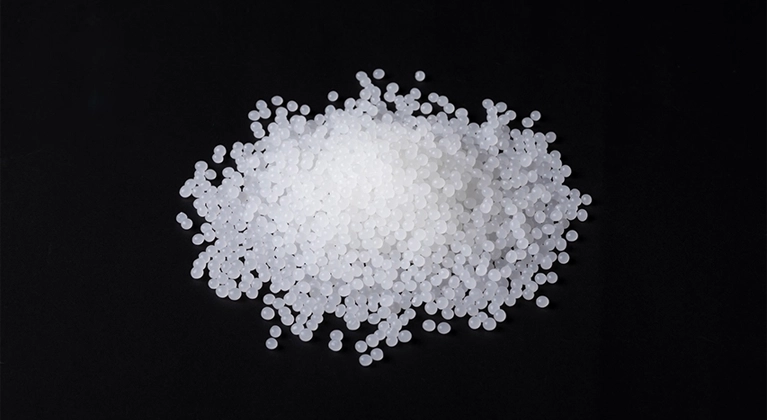
Polylactic acid (PLA) is a biodegradable thermoplastic polyester derived from renewable resources such as corn starch, sugarcane, and cassava root. As a trusted polylactic acid supplier, we provide high-quality PLA resin, pellets, and customized bioplastic solutions to manufacturers across packaging, medical, automotive, textile, and 3D printing industries worldwide.
Unlike conventional petroleum-based plastics, PLA offers an eco-friendly alternative that significantly reduces carbon footprint while delivering reliable mechanical performance. Its compatibility with standard processing methods — including extrusion, injection molding, and thermoforming — makes PLA one of the most commercially viable biopolymers available today.
Whether you need food-grade PLA for sustainable packaging or industrial-grade PLA pellets for large-scale manufacturing, our product range is designed to meet your exact specifications with consistent quality and competitive pricing.
Properties of Polylactic Acid (PLA)
Understanding the physical and chemical properties of PLA helps manufacturers select the right grade for their application. Below is a detailed breakdown of what makes PLA a preferred bioplastic across industries.
Physical and Mechanical Properties Table
| Property | Value | Test Standard |
|---|---|---|
| Density | 1.24 g/cm³ | ASTM D792 |
| Melting Point | 150–180 °C | ASTM D3418 |
| Glass Transition Temperature | 55–65 °C | ASTM D3418 |
| Tensile Strength | 50–70 MPa | ASTM D638 |
| Flexural Modulus | 3.5–4.0 GPa | ASTM D790 |
| Elongation at Break | 4–10% | ASTM D638 |
| Melt Flow Index (MFI) | 6–30 g/10 min | ASTM D1238 |
| Crystallinity | Semi-crystalline | — |
Key Performance Characteristics
Biodegradability: Under industrial composting conditions (58°C+, controlled humidity, active microbial environment), PLA degrades into water and carbon dioxide within 60 to 180 days, meeting ASTM D6400 and EN 13432 composting standards.
Renewable Origin: Produced from plant-based feedstocks through lactic acid fermentation and ring-opening polymerization, PLA significantly reduces dependence on fossil fuels compared to conventional petroleum-derived thermoplastics.
Mechanical Performance: With tensile strength ranging from 50 to 70 MPa and a flexural modulus of 3.5 to 4.0 GPa, PLA delivers strength and stiffness comparable to polystyrene and PET, making it suitable for rigid packaging, consumer goods, and structural components.
Optical Clarity: PLA is available in highly transparent and opaque formulations, making it ideal for applications requiring visual product display and aesthetic appeal.
Food-Contact Safety: PLA is recognized as safe for food contact by the U.S. FDA and complies with EU food-contact regulations, making it a preferred choice for food packaging and disposable serviceware.
Processing Versatility: PLA processes efficiently on standard thermoplastic equipment, including extrusion lines, injection molding machines, blow molding systems, and 3D printers, minimizing capital investment for manufacturers transitioning from petroleum-based plastics.
How Polylactic Acid Is Manufactured
Understanding PLA’s production process helps buyers evaluate quality and sourcing. As a reliable PLA supplier, we ensure every batch meets strict quality control standards throughout the manufacturing chain.
Production Process
- Feedstock Harvesting: Renewable crops such as corn, sugarcane, or cassava are harvested and processed to extract starch.
- Starch Conversion: The extracted starch undergoes enzymatic hydrolysis to produce dextrose (glucose).
- Lactic Acid Fermentation: Glucose is fermented using specialized bacterial cultures (typically Lactobacillus) to produce high-purity L-lactic acid.
- Lactide Formation: Lactic acid is oligomerized and then catalytically converted into lactide, a cyclic dimer.
- Ring-Opening Polymerization (ROP): Lactide undergoes ring-opening polymerization using metal catalysts (commonly tin octoate) to produce high-molecular-weight polylactic acid polymer chains.
- Pelletization: The resulting PLA polymer is extruded and pelletized into uniform resin pellets ready for shipment and downstream processing.
This controlled process ensures consistent molecular weight distribution, optical purity, and mechanical properties across every production batch — a critical quality standard we maintain as your polylactic acid supplier.
PLA Grades We Supply
We offer multiple PLA grades tailored to specific industry requirements:
| Grade | Applications | Key Features |
|---|---|---|
| General Purpose PLA | Packaging, disposables, consumer goods | Balanced strength, clarity, cost-efficiency |
| Food-Grade PLA | Food containers, cups, cutlery, films | FDA-compliant, high transparency |
| Medical-Grade PLA | Sutures, implants, drug delivery | Biocompatible, controlled degradation |
| High-Heat PLA | Automotive, electronics, industrial parts | Enhanced heat resistance (HDT up to 120°C) |
| 3D Printing PLA Filament | Prototyping, additive manufacturing | Consistent diameter, low warping |
| PLA/PBAT Blends | Flexible packaging, agricultural films | Improved flexibility and toughness |
All grades are available in bulk PLA pellets, custom compounds, and specialty formulations. Contact us for detailed technical data sheets and material safety data sheets (MSDS).
Applications and Uses of Polylactic Acid
Sustainable Packaging
PLA is increasingly adopted for environmentally friendly packaging solutions, including bottles, clamshell containers, cups, trays, shrink films, and carrier bags. Its excellent optical clarity, printability, and compostability make it a strong alternative to conventional petroleum-based packaging materials.
In rigid packaging, PLA competes directly with traditional polyethylene containers, offering comparable mechanical strength while providing full compostability at end of life. For flexible film applications, PLA and PLA-blend films deliver similar clarity and sealability with the added benefit of biodegradability.
Leading brands and packaging converters partner with us as their polylactic acid supplier to meet sustainability commitments, reduce plastic waste, and respond to growing consumer demand for eco-conscious packaging materials.
Medical Devices and Biomedical Applications
PLA’s biocompatibility and controlled biodegradation profile make it a preferred biopolymer for medical applications, including:
- Absorbable sutures that eliminate the need for removal procedures
- Orthopedic fixation devices such as screws, pins, and plates
- Drug delivery systems with programmable release rates
- Tissue engineering scaffolds that support cell growth and gradually resorb
Medical-grade PLA safely degrades into lactic acid — a naturally occurring metabolite — ensuring patient safety and eliminating the need for secondary surgical removal. We supply pharmaceutical and medical device manufacturers with certified medical-grade PLA resin meeting ISO 10993 biocompatibility standards.
3D Printing and Additive Manufacturing
PLA remains one of the most widely used filaments in 3D printing due to its low warping tendency, minimal odor during printing, excellent layer adhesion, and consistent dimensional accuracy. Applications span:
- Rapid prototyping and product development
- Architectural models and educational tools
- Consumer products and custom parts
- Low-volume industrial manufacturing
As a PLA resin supplier, we provide 3D printing manufacturers with consistent-diameter filament-grade PLA pellets optimized for extrusion into 1.75 mm and 2.85 mm filaments.
Textiles and Nonwovens
PLA fibers offer a sustainable alternative to petroleum-based synthetic fabrics such as polyester and nylon. Key characteristics include:
- Soft hand feel and natural drape
- Moisture-wicking and quick-drying performance
- Low odor retention
- Full biodegradability at end of life
Applications include apparel, activewear, home furnishings, upholstery, hygiene products, and industrial nonwoven fabrics. Textile manufacturers source bulk PLA from us for fiber spinning and nonwoven production lines.
Automotive Components
The automotive industry increasingly adopts PLA and PLA-based composites for lightweight interior components, reducing vehicle weight, improving fuel efficiency, and supporting sustainability targets. Specific applications include:
- Interior door panels and trim pieces
- Headliners and pillar covers
- Under-hood components (with high-heat PLA grades)
- Natural fiber-PLA composite panels
Our PLA supply supports automotive OEMs and tier-one suppliers seeking sustainable alternatives to conventional automotive plastics.
Agriculture
PLA-based agricultural products deliver significant environmental advantages over conventional plastic solutions:
- Biodegradable mulching films that control weeds, retain soil moisture, and decompose naturally after the growing season — eliminating the costly labor of plastic mulch removal and preventing microplastic accumulation in agricultural soil.
- Compostable plant pots that can be planted directly into soil, reducing transplant shock and plastic waste.
- Controlled-release fertilizer coatings for optimized nutrient delivery.
- Biodegradable clips and ties for greenhouse and vineyard operations.
PLA vs. Other Plastics — Comparison
Choosing between PLA and conventional polyolefins depends on application requirements, environmental goals, and performance specifications. The table below provides a direct comparison between PLA and the petroleum-based plastics it most commonly replaces.
| Property | PLA | HDPE | LDPE | LLDPE | PET |
|---|---|---|---|---|---|
| Origin | Bio-based (renewable) | Petroleum-based | Petroleum-based | Petroleum-based | Petroleum-based |
| Biodegradable | ✅ Yes | ❌ No | ❌ No | ❌ No | ❌ No |
| Density (g/cm³) | 1.24 | 0.94–0.97 | 0.91–0.93 | 0.91–0.94 | 1.33–1.40 |
| Tensile Strength (MPa) | 50–70 | 25–45 | 8–25 | 25–45 | 55–75 |
| Melting Point (°C) | 150–180 | 130–137 | 105–115 | 120–130 | 250–260 |
| Heat Resistance (HDT °C) | 55–65 | 75–90 | 40–50 | 50–70 | 70–80 |
| Transparency | High | Translucent | High | High | High |
| Food-Contact Safe | ✅ Yes | ✅ Yes | ✅ Yes | ✅ Yes | ✅ Yes |
| Compostable | ✅ ASTM D6400 | ❌ No | ❌ No | ❌ No | ❌ No |
| Carbon Footprint | Low | High | High | High | High |
Key Takeaways
PLA vs. HDPE: HDPE offers superior chemical resistance and a higher heat deflection temperature, making it preferable for chemical containers and hot-fill applications. However, PLA outperforms HDPE in optical clarity, compostability, and carbon footprint — making it the better choice for brands prioritizing sustainability.
PLA vs. LDPE and LLDPE: These polyethylene grades dominate flexible packaging and agricultural films due to their flexibility, moisture resistance, and puncture resistance. PLA and PLA-blend films are increasingly replacing them in applications where end-of-life biodegradability is essential, particularly compostable bags, food wraps, and agricultural mulching.
PLA vs. PET: PET remains dominant in beverage bottles and high-clarity thermoformed packaging due to its heat resistance and established recycling infrastructure. PLA competes with PET in cold-fill transparent packaging where compostability is valued over recyclability.
Processing Tip: When compounding PLA with fillers or pigments, adding 0.5–2% PE wax as an external lubricant significantly improves melt flow, reduces die buildup, and enhances surface finish — a common practice among converters processing PLA on lines originally designed for polyolefins.
Advantages and Disadvantages of PLA
Advantages
- Renewable and bio-based — reduces reliance on fossil fuels
- Biodegradable and compostable — meets ASTM D6400 and EN 13432 standards
- Lower carbon footprint — lifecycle analysis shows 60–70% lower greenhouse gas emissions compared to conventional plastics
- Versatile processing — compatible with extrusion, injection molding, thermoforming, blow molding, and 3D printing
- Food-contact safe — FDA and EU compliant
- Biocompatible — safe for medical implant and pharmaceutical applications
- Good mechanical properties — comparable to PS and PET for many applications
- Brand value — supports corporate sustainability goals and eco-conscious consumer preferences
Limitations
- Heat sensitivity — standard PLA grades have a heat deflection temperature around 55°C, limiting hot-fill and high-temperature applications. Mitigated by high-heat PLA grades and annealing processes.
- Composting requirements — requires industrial composting facilities for proper degradation; home composting may not reach sufficient temperatures
- Brittleness — lower impact resistance and elongation compared to flexible polyolefins. Addressed through blending with PBAT, plasticizers, or impact modifiers.
- Moisture sensitivity during processing — PLA resin must be thoroughly dried before melt processing to prevent hydrolytic degradation
- Limited recycling infrastructure — PLA recycling (resin code #7) is not yet widely available in all regions
Packing, Storage, and Handling
Proper storage preserves PLA resin quality and ensures optimal processing performance. As your polylactic acid supplier, we recommend the following handling guidelines:
- Storage Temperature: Store in a cool, dry environment below 40°C (104°F). Avoid direct sunlight and heat sources.
- Moisture Control: Keep PLA pellets in original sealed packaging or airtight containers. PLA is hygroscopic and absorbs atmospheric moisture, which causes hydrolytic degradation during melt processing.
- Pre-Drying Before Processing: Dry PLA resin at 60–80°C for 4–6 hours in a dehumidifying dryer to achieve moisture content below 250 ppm before extrusion or injection molding.
- Shelf Life: When stored properly in sealed packaging, PLA resin maintains optimal properties for 12 to 24 months.
- Contamination Prevention: Store away from incompatible chemicals, solvents, and strong acids or bases.
Safety and Regulatory Compliance
- Food Contact: PLA is FDA-approved for food-contact applications and complies with EU Regulation (EU) No. 10/2011 for plastic materials intended for food contact.
- Composting Standards: PLA is certified compostable under ASTM D6400 (North America) and EN 13432 (Europe) when processed in industrial composting facilities at 58°C or above.
- Biocompatibility: Medical-grade PLA meets ISO 10993 standards for biological evaluation of medical devices.
- Recycling: PLA falls under resin identification code #7 (Other). Dedicated PLA recycling streams are expanding globally. Check regional programs for availability.
- Chemical Compatibility: PLA demonstrates good resistance to oils, greases, and many aqueous solutions but may be affected by strong acids, bases, and certain organic solvents. Consult our technical team for application-specific compatibility data.
Why Choose Us as Your Polylactic Acid Supplier?
Selecting the right PLA supplier directly impacts your product quality, supply chain reliability, and sustainability credentials. Here is what sets us apart:
Consistent Quality: Every batch of PLA resin undergoes rigorous quality testing for molecular weight, melt flow index, optical purity, residual lactide content, and moisture levels.
Multiple Grades Available: From general-purpose packaging resin to certified medical-grade and high-heat formulations, we supply the right PLA grade for your specific application.
Complete Polymer Portfolio: Beyond PLA, we supply a full range of industrial polymers and processing additives — including HDPE, LDPE, LLDPE, and PE wax — providing a single reliable source for all your resin needs.
Bulk and Custom Quantities: Whether you need a sample shipment or full container loads of wholesale PLA pellets, we accommodate orders of every scale.
Technical Support: Our materials science team provides processing guidance, grade selection assistance, troubleshooting, and application development support.
Global Logistics: Reliable shipping and logistics networks ensure timely delivery to manufacturers across North America, Europe, Asia, and beyond.
Regulatory Documentation: We provide complete documentation including certificates of analysis (COA), material safety data sheets (MSDS/SDS), FDA compliance letters, and composting certifications.
Request a Quote for premium polylactic acid resin tailored to your manufacturing needs.