
Caustic Soda Flakes Supplier in Balkan countries, Serbia, Romania, Croatia, Bosnia, Ukraine, Moldavia, Slovenia
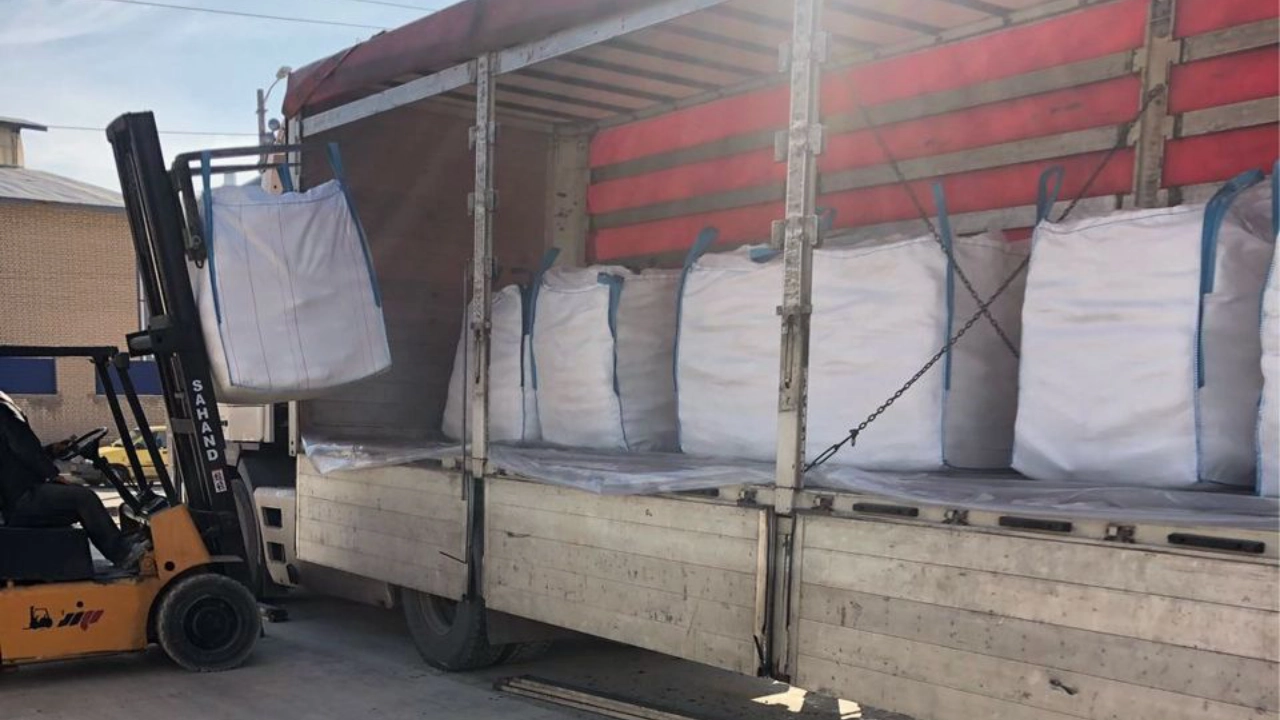
We are a leading Caustic Soda Supplier that Balkan industries rely on for consistent, high‑purity sodium hydroxide (NaOH) in flake, pearl, and liquid forms. Our ISO‑certified caustic soda supports critical operations in water treatment, textiles, soaps and detergents, pulp and paper, metal processing, food and beverage, and chemical manufacturing across the region.
From the Black Sea to the Adriatic, our supply network connects major ports such as Constanța, Thessaloniki, Piraeus, Varna, Burgas, Rijeka, Koper, Bar, and Durrës with industrial hubs in Sofia, Belgrade, Bucharest, Zagreb, Athens, Skopje, Tirana, Sarajevo, Podgorica, and Ljubljana. This allows us to offer reliable lead times, competitive freight options, and stable availability.
If you are a purchasing manager, plant engineer, or regional trader looking for a dependable sodium hydroxide partner, this guide will help you understand our products, logistics options, and what to consider before placing an order.
Who We Serve Across the Balkans
We supply bulk caustic soda (NaOH) to customers throughout the peninsula, combining sea freight into key ports with road and rail distribution inland.
Bulgaria
- Main ports & hubs: Varna, Burgas, Sofia industrial zone
- Key uses: Municipal and industrial water treatment, pulp and paper, detergents, fertilizers, and general chemical production.
Serbia
- Logistics hubs: Belgrade, Pančevo, Novi Sad
- Key uses: Textile dyeing and finishing, household and industrial detergents, metal cleaning and electroplating, and oil and gas services.
Romania
- Main port: Constanța (Black Sea)
- Key uses: Pulp and paper along the Danube, textile mills, refineries and petrochemicals, soap and detergent plants, water utilities.
Croatia
- Main ports: Rijeka, Split, Ploče
- Key uses: Food and beverage plants (CIP cleaning, pH control), pharmaceuticals and fine chemicals, municipal and industrial water treatment.
Greece
- Main ports: Piraeus, Thessaloniki
- Key uses: Soap and detergent manufacturing, olive oil and food processing, ship cleaning and marine services, refining and petrochemical operations.
North Macedonia
- Key hubs: Skopje, Bitola, Tetovo
- Key uses: Textile and garment production (mercerization, bleaching), beverage and food processing, municipal water and wastewater treatment.
Albania
- Main port: Durrës
- Key uses: Soap and detergent factories, water treatment plants, oil and mining operations, and general industrial cleaning.
Bosnia and Herzegovina
- Key hubs: Sarajevo, Banja Luka, Tuzla
- Key uses: Pulp and paper, metal processing, detergents and cleaning chemicals, utilities, and water treatment.
Montenegro
- Main port: Bar
- Key uses: Port and shipyard maintenance, industrial and municipal water treatment, food processing,g and beverage bottling.
Slovenia
- Main port: Koper
- Key uses: Pharmaceuticals and R&D, specialty chemicals, packaging and paper, public utilities.
By coordinating sea, rail, and road logistics, we act as a single Caustic Soda Supplier Balkan manufacturers, utilities, and traders can rely on, rather than forcing you to manage multiple small local suppliers.
What Is Caustic Soda (Sodium Hydroxide, NaOH)?
Caustic soda, chemically known as sodium hydroxide (NaOH, CAS 1310-73-2), is a strong inorganic alkali produced primarily through the chlor-alkali electrolysis process. It is one of the most widely consumed industrial chemicals globally and a fundamental building block in Balkan economies.
In the Balkans, it is central to:
- pH adjustment and neutralization in water treatment and chemical processing
- Cleaning and degreasing in manufacturing and food production
- Saponification (soap making) using animal and vegetable fats
- Fiber treatment in textiles, including mercerization and scouring
- Pulp and paper processing, including delignification and fiber recovery
- Production of organic and inorganic chemicals, including solvents, dyes, and intermediates
It is supplied commercially as solid flakes, pearls (beads), and aqueous solutions, each suited to different types of plants, dosing systems, and operational scales.
Key Properties of Sodium Hydroxide
| Property | Detail |
|---|---|
| Chemical formula | NaOH |
| CAS number | 1310-73-2 |
| UN numbers | UN 1823 (solid), UN 1824 (solution) |
| GHS classification | Corrosive — Class 8 dangerous goods |
| Available forms | Flakes, pearls, aqueous solutions (30–50%) |
| Appearance (solid) | White crystalline flakes or spherical beads |
| Appearance (liquid) | Clear, colorless to slightly hazy solution |
| Alkalinity | Strong base; solution pH typically >13 |
| Solubility | Highly soluble in water with significant exothermic reaction |
| Hygroscopic nature | Absorbs moisture and CO₂ from air; requires sealed packaging |
| Typical purity | 96–99% for solids; tightly controlled concentration for liquids |
These properties make sodium hydroxide indispensable across dozens of industrial processes throughout Southeast Europe.
Caustic Soda Products We Supply
We supply three main forms of sodium hydroxide to match different handling capabilities, process requirements, and consumption volumes.
Caustic Soda Flakes
- Solid white flakes, 96–99% NaOH purity
- Packaged in 25 kg bags or 1-ton jumbo (big) bags
- Suitable for manual or semi-automatic dosing
- Common in textiles, soap making, paper production, and general chemical manufacturing
- View Caustic Soda Flakes product page →
Caustic Soda Pearls (Beads)
- Small, free-flowing spherical particles with a very uniform size distribution
- Low dust generation during handling
- Ideal for automated feeding systems and higher-purity applications
- Often chosen by pharmaceutical, laboratory, and specialty chemical users
- View Caustic Soda Pearls product page →
Liquid Caustic Soda (NaOH Solution)
- Typically supplied at 30–50% concentration (most commonly ~50%)
- Delivered in road tankers, IBCs, and ISO tank containers
- Well suited to continuous processes and large-volume consumers
- Widely used in water and wastewater treatment, refineries, petrochemicals, pulp and paper, and large detergent plants
- View Liquid Caustic Soda product page →
Working with a single NaOH supplier across the Balkans that can deliver flakes, pearls, and liquid means you can standardize specifications, documentation, and logistics across different plants and countries.
How to Choose the Right Form of Caustic Soda
Selecting between flakes, pearls, and liquid sodium hydroxide depends on your operational setup, consumption volume, and process requirements.
Choose flakes if:
- You have limited storage infrastructure or no liquid tanks
- You run batch processes and prefer solid dosing
- You produce soaps, detergents, or textiles in small to medium plants
Choose pearls if:
- You use automated dosing equipment that requires a free-flowing solid
- You need lower dust levels and very consistent particle quality
- You operate in pharmaceuticals, specialty chemicals, or high-specification manufacturing
Choose liquid NaOH if:
- You are a large utility or industrial plant with dedicated storage tanks
- You need continuous pH control (water treatment, refineries, pulp and paper)
- You want to minimize manual handling and accelerate unloading
When you request a quote, sharing your form preference, typical monthly consumption, application, and packaging needs allows us to recommend the most efficient and cost-effective solution.
Quick Comparison: Flakes vs. Pearls vs. Liquid NaOH
| Feature | Flakes | Pearls | Liquid (50%) |
|---|---|---|---|
| Purity | 96–99% | 99%+ | 48–50% (by mass) |
| Physical form | Flat solid chips | Spherical beads | Aqueous solution |
| Dust level | Moderate | Low | None |
| Dosing method | Manual or semi-auto | Automated feeders | Metering pumps |
| Storage | Sealed bags, dry warehouse | Sealed bags, dry warehouse | Tanks with bunding |
| Best for | Soap, textiles, small to medium plants | Pharma, labs, specialty chemicals | Water treatment, refineries, large plants |
| Packaging | 25 kg bags, jumbo bags, containers | 25 kg bags, jumbo bags, containers | Tankers, IBCs, ISO tanks |
| Handling complexity | Low–Medium | Low | Medium–High (corrosive liquid) |
| Relative cost per ton NaOH | Medium | Higher | Lower (at scale) |
This comparison helps purchasing teams quickly identify the best product form for their specific operations.
Grades and Technical Specifications
We offer several grades tailored to specific sectors and regulatory requirements:
- Industrial grade (96–99%) — for detergents, textiles, metal treatment, and general chemical use
- Food grade — for food peeling, CIP cleaning, and pH control in food and beverage plants (compliant with EU food hygiene regulations)
- Textile grade — optimized for mercerization, bleaching, and desizing operations
- Water treatment grade — for municipal and industrial pH correction and heavy-metal removal
- Laboratory / analytical grade — for R&D, titration, and pharmaceutical formulations
Typical Key Parameters (Indicative Values)
| Parameter | Industrial Grade | Food Grade | Lab Grade |
|---|---|---|---|
| NaOH content (solids) | 98–99% | 98–99% | 99%+ |
| Na₂CO₃ | ≤1.0% | ≤0.5% | ≤0.3% |
| NaCl | ≤0.2% | ≤0.1% | ≤0.05% |
| Iron (Fe) | ≤50 ppm | ≤15 ppm | ≤5 ppm |
| Heavy metals (as Pb) | ≤10 ppm | ≤2 ppm | ≤1 ppm |
A detailed Certificate of Analysis (COA) is provided with every batch. Safety Data Sheets (SDS/MSDS) and Technical Data Sheets (TDS) are available on request.
Main Applications in Balkan Industries
Water and Wastewater Treatment
Across Bulgaria, Romania, Greece, Serbia, and other Balkan countries, liquid caustic soda is widely used to:
- Adjust pH in drinking water and wastewater treatment plants
- Neutralize acidic industrial effluents before discharge
- Precipitate heavy metals and other regulated contaminants
Large municipal and industrial plants typically favor 50% liquid NaOH for automated dosing with metering pumps.
Related: Caustic Soda for Water Treatment →
Textile and Garment Production
In textile hubs across North Macedonia, Serbia, Bulgaria, and Romania, sodium hydroxide is essential for:
- Mercerizing cotton to improve fiber strength, luster, and dye uptake
- Scouring and desizing to remove oils, waxes, and sizing agents from raw fabric
- Preparing fabrics for subsequent bleaching, dyeing, and finishing processes
Textile-grade flakes and liquid NaOH are the most common forms used in these applications.
Related: Caustic Soda for Textile Processing →
Soap and Detergent Manufacturing
In Greece, Romania, Albania, Bosnia and Herzegovina, and Bulgaria, caustic soda serves as the primary alkali for:
- Saponifying animal and vegetable fats into bar soap
- Producing liquid soaps and industrial cleaning formulations
- Adjusting pH and boosting cleaning performance in detergent products
Plants frequently use a combination of flakes (for solid soap production) and liquid NaOH (for continuous liquid detergent lines).
Pulp, Paper, and Packaging
In Romania, Bulgaria, Bosnia and Herzegovina, and Slovenia, sodium hydroxide plays a critical role in:
- Removing lignin from wood chips during the kraft pulping process
- Recovering usable fibers during paper recycling operations
- Controlling pH during bleaching stages and process water treatment
Stable product quality and reliable delivery schedules are crucial for these continuous, capital-intensive processes.
Metal Processing and Surface Treatment
In Serbia, Romania, Croatia, and Montenegro, NaOH solutions are widely used for:
- Alkaline cleaning and degreasing metal parts before coating, painting, or plating
- Removing oxide layers and old paint from metal surfaces
- Treating aluminum and other non-ferrous metals in etching and finishing processes
Both liquid and solid forms are common, depending on plant scale, bath volumes, and process design.
Chemical and Petrochemical Manufacturing
Throughout Southeast Europe, caustic soda supports:
- Production of organic and inorganic chemical intermediates
- Neutralization reactions and acid gas scrubbing in refineries
- Catalyst regeneration and process pH control in petrochemical facilities
Food and Beverage Processing
Food-grade sodium hydroxide is used throughout the Balkans for:
- CIP (Clean-in-Place) systems in dairies, breweries, and bottling lines
- Bottle washing and equipment sanitization
- pH adjustment in food production processes
- Fruit and vegetable peeling (lye peeling)
Our food-grade and industrial-grade options allow you to match the product to your specific regulatory environment and application.
Packaging, Logistics, and Balkan Ports
We design packaging and logistics solutions around your consumption pattern, storage capabilities, and geographic location.
Solid Caustic Soda (Flakes and Pearls)
- 25 kg bags on pallets — for smaller users or multi-site distribution
- 1-ton jumbo (big) bags — for large industrial consumers with bulk handling equipment
- 20-foot containers — carrying approximately 25 metric tons net per shipment
Liquid Caustic Soda
- Road tankers — for customers with fixed storage tanks and regular consumption
- IBCs (1,000 L) — for medium-volume users or multi-product facilities
- ISO tank containers — for large-volume international shipments
- Bulk vessel shipments — available for very high-volume contracts
Port and Distribution Network
Our supply network leverages the following key Balkan ports:
| Port | Country | Access | Primary Coverage |
|---|---|---|---|
| Constanța | Romania | Black Sea | Romania, Moldova, southern Ukraine |
| Varna | Bulgaria | Black Sea | Northern Bulgaria, inland hubs |
| Burgas | Bulgaria | Black Sea | Southern Bulgaria |
| Piraeus | Greece | Aegean Sea | Athens corridor, southern Greece |
| Thessaloniki | Greece | Aegean Sea | Northern Greece, North Macedonia, southern Balkans |
| Rijeka | Croatia | Adriatic Sea | Croatia, Slovenia, western Balkans |
| Koper | Slovenia | Adriatic Sea | Slovenia, Austria, northern Balkans |
| Bar | Montenegro | Adriatic Sea | Montenegro, southern Serbia |
| Durrës | Albania | Adriatic Sea | Albania, Kosovo, western North Macedonia |
Combined with inland depots and logistics partners, this network keeps transit times competitive, freight costs controlled, and availability predictable year-round.
Regulatory Compliance and Documentation
To support safe and compliant operations, our caustic soda supply follows European standards:
- Compliance with EU REACH requirements for sodium hydroxide
- CLP / GHS hazard classification and labelling on all packaging
- Production and quality management under ISO 9001 (and ISO 14001, where applicable)
- Food‑grade NaOH supplied in line with relevant EU food and hygiene regulations
With each shipment, we can provide:
- Certificate of Analysis (COA)
- Technical Data Sheet (TDS)
- Safety Data Sheet (SDS/MSDS)
- Origin, conformity, and other documents required by local authorities or auditors
Why Work With Us as Your Caustic Soda Supplier Balkan Partner
Choosing the right long‑term partner is as important as choosing the right grade of chemical. As a Caustic Soda Supplier Balkan companies have worked with for years, we combine product quality, logistics strength, and technical support in one place.
What this means in practice:
- Regional experience: Deep familiarity with customs, transport, and regulations in all Balkan countries.
- Consistent quality: Stable specifications, predictable performance, and tight quality control.
- Flexibility: Ability to serve both multi‑national corporations and local manufacturers with tailored solutions.
- Technical support: Help with product selection, dosing approaches, and handling best practices.
- Long‑term mindset: Focus on secure supply, not just one‑off spot sales.
This reduces the risk of stock‑outs, variable product quality, and logistical surprises for your operations.
Ordering, Lead Times, and Pricing
Ordering caustic soda is straightforward, but a few details will help us respond quickly and accurately:
- Minimum order quantities (typical):
- Solids: from one full pallet locally, or one full container (~25 tons) for export
- Liquids: one tanker or ISO tank load, with smaller volumes possible in IBCs
- Lead times:
- From regional stocks near major ports, deliveries are often possible within 5–10 working days
- For large contract volumes or made‑to‑order shipments, allow 2–4 weeks, depending on route and season
- Delivery terms:
- Common Incoterms include FOB, CIF, and DAP from major Balkan and nearby ports
- For inland locations (e.g., in Serbia, North Macedonia, Bosnia and Herzegovina), we can arrange door‑to‑door road deliveries
Caustic soda pricing in the region is influenced by global NaOH supply–demand, energy costs, product form and grade, packaging, and transport distance. When you request a quotation from a Caustic Soda Supplier Balkan focused on industrial buyers, you receive current market‑based pricing tailored to your required form, grade, volume, and destination.
Typical Use Cases in the Balkans
A few real‑world examples illustrate how customers in the region use sodium hydroxide:
- Water utility in Bulgaria: A municipal plant near Varna uses liquid NaOH 50% for pH correction and heavy‑metal removal, with regular tanker deliveries arriving via Black Sea ports.
- Textile mill in North Macedonia: A cotton processing plant near Skopje relies on textile‑grade caustic soda flakes in jumbo bags for mercerization and bleaching, delivered by truck from Thessaloniki.
- Detergent producer in Greece: A manufacturer close to Athens and Piraeus uses both flakes (for bar soap) and liquid caustic soda (for liquid detergents) in continuous production lines.
- Pulp and paper plant in Romania: A mill near the Danube corridor receives industrial‑grade NaOH for pulping and paper recycling, supplied through Constanța, followed by rail and road transport.
These kinds of applications benefit from consistent quality, timely deliveries, and proper technical guidance.
Handling, Storage, and Safety
Solid caustic soda (flakes and pearls)
- Store in a cool, dry, well‑ventilated place away from acids and incompatible materials
- Keep bags and big bags tightly sealed to avoid moisture uptake and caking
- Use appropriate PPE: chemical‑resistant gloves, goggles or face shield, and protective clothing
- In case of spillage, carefully collect solids and neutralize residues with a weak acid solution before disposal according to local regulations
Liquid caustic soda
- Store in compatible tanks (e.g., suitable carbon steel or plastics) with proper venting and bunding
- Protect from extreme temperatures and direct sunlight; avoid freezing
- Use corrosion‑resistant pumps and piping, and ensure clear operating procedures for unloading tankers
- In the event of contact with skin or eyes, rinse immediately with plenty of water and seek medical attention
Following these best practices helps protect your people, equipment, and the environment.
Contact Your Caustic Soda Supplier Balkan Team
If you are planning a new project, switching suppliers, or simply reviewing your current NaOH costs and logistics, our Caustic Soda Supplier Balkan team is ready to help.
- Phone / WhatsApp: +971 50 720 9246
- Email: info@causticsodaco.com
- Website: www.causticsodaco.com
Share your application, preferred form (flakes, pearls, or liquid), required grade, approximate volumes, and delivery location, and we will prepare a tailored proposal for your plant or network of sites. (Contact Us).
Technical Data Sheet of Caustic Soda Flakes
| CONTENT | TEST RESULT | UNIT |
|---|---|---|
| Al2O3 | Max 3 | PPM |
| Fe | 10 | PPM |
| Heavy Metals as Pb | Max 2 | PPM |
| Insoluble in Water | 0 | %W |
| Na2CO3 | 0.43 | %W |
| Na2SO4 | 0.0047 | %W |
| NaCl | 0.0085 | %W |
| NaOH | 98%±1 | %W |
| SiO2 | 0.0019 | %W |
| SHAPE | 0.3-1 | CM³ |

For Download Technical Data Sheets of Caustic Soda Flakes (Click Here)
Technical Data Sheet of Caustic Soda Pearls
| Property | Value | Unit |
|---|---|---|
| Melting Point: | 320-325 | ºC |
| Boiling Point: | 1385-1390 | ºC |
| Densityat20ºC: | 2.13 | g/cm3 |
| SolutionRate:(100g in 100ml water at25ºC): | 22 | s |
| Heat Capacity at 25ºC: | 2.01 | J/g.K |
| Heat of Fusion at 15ºC: | 167.5 | J/g |
| Standard Heat of Formation at 25ºC: | 10.67 | kJ/g |
| Specifications | ||
| Item | Value | Unit |
| Purity: | 99.0 Min | % |
| Sodium Carbonate (Na2CO3): | 0.8 Max | % |
| Sodium Chloride (NaCl): | 0.05 Max | % |
| Fe2O3: | 50 Max | PPM |
Technical Data Sheet of Caustic Soda Liquid
| No. | Specification | Unit | Acceptance Limit | Result | Test Method / Standard |
| 1 | Sodium Hydroxide (NaOH) Purity | % mass | Min 48 | 50 | ISIRI-6135 |
| 2 | Sodium Carbonate (Na₂CO₃) | % mass | Max 0.5 | 0.2 | ISIRI-6135 |
| 3 | Sodium Chloride (NaCl) | % mass | Max 0.03 | 0.01 | ISIRI-6135 |
| 4 | Sodium Sulfate (Na₂SO₄) | % mass | Max 0.007 | 0.001 | ISIRI-6135 |
| 5 | Silica (SiO₂) | % mass | Max 0.01 | 0.001 | ISIRI-6135 |
| 6 | Iron (Fe) | ppm | Max 10 | 3 | ISIRI-6135 |
| 7 | Aluminum Oxide (Al₂O₃) | ppm | Max 10 | <1 | ISIRI-6135 |
| 8 | Mercury (Hg) | ppm | Max 0.1 | 0.01 | ISIRI-6135 |
| 9 | Arsenic Oxide (As₂O₃) | ppm | Max 1 | <0.02 | ISIRI-6135 |