Caustic Soda Supplier in Lithuania From Turkey and UAE (Dubai)
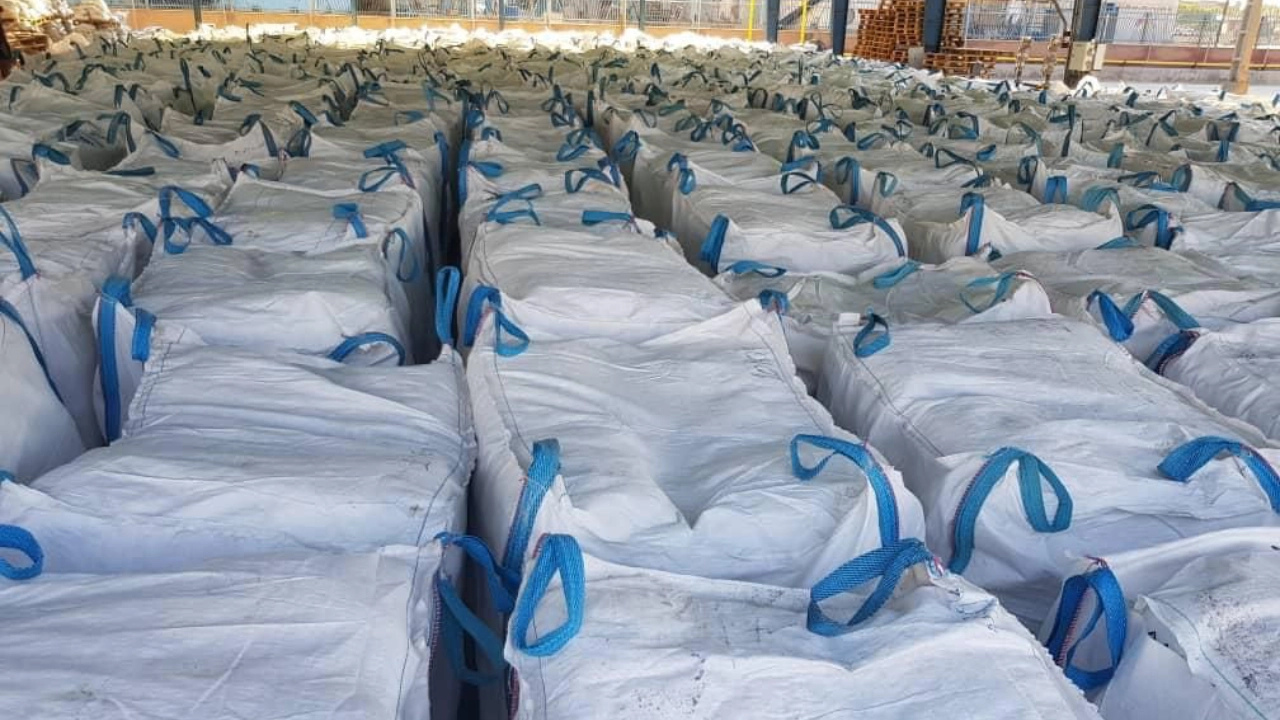
Looking for a reliable caustic soda supplier in Lithuania that can support industrial operations in Vilnius, Kaunas, Klaipėda, and beyond? This 2025 guide explains how to source sodium hydroxide (NaOH) safely and efficiently, how to comply with EU REACH and Lithuanian VASPVT regulations, the main industrial applications, and how to select the correct grade and packaging for your process.
For up‑to‑date information on bulk and packaged NaOH costs in Lithuania, please refer to your dedicated caustic soda pricing page.
Caustic Soda in Lithuania: Strategic Role for Industry
Caustic soda (sodium hydroxide, natrio hidroksidas, NaOH) is a cornerstone inorganic base for Lithuania’s manufacturing, water treatment, agriculture, and environmental sectors. Industrial users in Lithuania typically consume:
- Caustic soda flakes with 98–99% purity
- Liquid caustic soda solutions between 30–50% concentration
All caustic soda supplied in Lithuania must comply with:
- REACH 1907/2006
- CLP 1272/2008
- Relevant LST EN standards
- Lithuanian chemical safety requirements overseen by VASPVT
These frameworks ensure worker safety, environmental protection, and consistent product quality across every shipment.
Key Properties & Compliance Requirements
Main Properties of Sodium Hydroxide (NaOH)
- Chemical formula: NaOH
- Available forms:
- Flakes (98–99% purity)
- Liquid solutions (30–50% concentration)
- pH: ~14 (highly alkaline)
- Solubility: Fully soluble in water with exothermic dissolution
- Typical certifications: REACH, CLP, ADR/RID transport conformity, ISO 9001, relevant LST EN standards
- Safety classification: Corrosive
Because sodium hydroxide is strongly corrosive, Lithuanian facilities must follow VASPVT chemical safety protocols and ensure appropriate personal protective equipment (PPE) for all handlers.
Lithuanian Safety & Handling Obligations
Handling NaOH in Lithuania requires:
- VASPVT‑approved procedures for storage and transfer
- Mandatory PPE (chemical‑resistant gloves, face shields, EN 14605 protective clothing)
- Clearly marked corrosive substance labels under CLP
- Up‑to‑date Safety Data Sheets (SDS) in Lithuanian
Any reputable caustic soda supplier in Lithuania should provide REACH registration details, Lithuanian‑language SDS, and technical documentation on request.
Grades and Types of Caustic Soda in Lithuania
Lithuania’s industrial users typically choose between two main grades of sodium hydroxide, each meeting stringent EU and Lithuanian standards.
Caustic Soda Flakes (98–99% Purity)
This solid form is preferred where high alkalinity is required without additional water.
Key characteristics:
- Purity: 98–99% NaOH
- Form: Free‑flowing white flakes suitable for automated dosing systems
- Stability: Maintains composition during long‑term storage if properly protected from moisture
Typical applications in Lithuania:
- Pharmaceutical intermediates and synthesis
- Auxiliary processes in aluminium and non‑ferrous metal operations
- Kraft pulp production and bleaching in pulp & paper mills (e.g. Grigiškės industrial cluster)
- Textile mercerization and fiber treatment
Standard packaging:
- 25 kg multi‑layer polyethylene bags with a moisture barrier
- 40 bags per EUR‑pallet (1,000 kg net per pallet)
Storage in Lithuanian conditions:
- Climate‑controlled warehouse
- Relative humidity was kept below ~40% to prevent caking and degradation
- Under proper storage, the typical shelf life reaches up to 24 months
Liquid Caustic Soda (30–50% Concentration)
Liquid sodium hydroxide solutions offer operational convenience and are widely used for continuous processes.
Key characteristics:
- Common concentrations: 30–50% NaOH, with 50% being the most widely used
- Direct pumping and dosing; no dissolution step required
- Suitable for automated systems and large‑volume users
Typical applications in Lithuania:
- Municipal and industrial wastewater treatment plants in Vilnius, Kaunas, and Klaipėda
- pH adjustment in chemical processing and neutralization lines
- CIP (Clean‑in‑Place) cleaning solutions in food and beverage facilities
Standard packaging options:
- 220 L UN‑approved HDPE drums
- 1,000 L returnable IBC tanks with bottom discharge
- Insulated stainless‑steel bulk road tankers for major industrial consumers
Storage requirements:
- Temperature‑controlled tanks (approx. 15–25°C) to avoid freezing or significant concentration drift
- Properly stabilized solutions can typically be stored for up to 12 months
Flakes vs Liquid: Selecting the Right Grade
When choosing between flake and liquid NaOH for your Lithuanian operation, consider:
- Process type:
- Batch, high‑purity or low‑moisture processes → flakes
- Continuous or automated dosing → liquid
- Infrastructure:
- Existing bulk tanks and pumps → liquid
- Bag handling and solids dosing equipment → flakes
- Storage horizon:
- Long‑term inventory → flakes
- Fast‑moving consumption → liquid
A qualified caustic soda supplier in Lithuania should review your process, consumption rate, and infrastructure to recommend the most suitable grade and packaging.
Industrial Applications Across Lithuania
Municipal & Industrial Water Treatment
Liquid caustic soda (typically 50% NaOH) is widely used in:
- Municipal wastewater treatment plants in Vilnius, Kaunas, and Klaipėda
- Industrial effluent treatment units in manufacturing zones and free economic zones
Main uses:
- pH correction of acidic effluents
- Neutralization stages ahead of biological treatment
- Compliance with the EU Urban Wastewater Directive and Lithuanian environmental norms
Automated dosing skids and flow‑proportional injection systems make liquid NaOH the preferred solution for this sector.
Agriculture & Soil Management
In Lithuania’s main crop regions (rye, wheat, potatoes in Panevėžys, Utena, and other counties), sodium hydroxide plays roles in:
- pH adjustment in specific niche soil management applications
- Sterilization of agricultural equipment and storage facilities
- Preparation of some pesticide and agrochemical formulations, under National Paying Agency (NPA) oversight
All agricultural use must align with Lithuanian environmental rules and good agricultural practice guidelines.
Pulp & Paper Manufacturing
Lithuanian pulp and paper producers rely on high‑purity NaOH flakes for:
- Kraft pulping: delignification and fiber separation
- ECF bleaching sequences: achieving consistent brightness and strength
- pH control in various process stages
Stable, free‑flowing flakes ensure reproducible liquor composition and support quality targets in both primary and specialty paper grades.
Food Processing & HACCP Compliance
Food‑grade caustic soda is used in:
- CIP (Clean‑in‑Place) systems for dairy, beverage, and food‑processing lines
- Peeling and processing of fruits and vegetables
- Detergent and cleaning formulation for food plants
All NaOH used in food applications must:
- Meet EC 1333/2008 requirements
- Comply with Lithuanian VMVT (State Food and Veterinary Service) hygiene and HACCP standards
- Be accompanied by appropriate food‑grade documentation
Chemical Synthesis & Biodiesel Production
Lithuanian chemical manufacturers, especially around Kaunas, use caustic soda for:
- Surfactant and detergent intermediate synthesis
- pH control in specialty chemicals
- Transesterification catalysts in biodiesel production
Reliable REACH‑registered caustic soda suppliers give processors the consistency needed for accurate reaction kinetics and predictable yields.
Metal Surface Treatment & Alumina Refining
In metal finishing and aluminium‑related industries, NaOH is used for:
- Pickling and etching of steel and aluminium surfaces
- Oxide removal before coating or painting
- Bauxite and alumina‑related refining processes
Accurate concentration control is essential to achieve a uniform surface finish and comply with LST EN 1799 and related quality standards.
Packaging, Container Loading & VASPVT Safety Protocols
Approved Packaging Configurations
- 25 kg three‑ply PE bags with moisture barrier
- 40 bags per EUR‑pallet (1,000 kg net per pallet)
- 220 L UN‑approved HDPE drums
- 1,000 L IBC tanks (returnable)
- Insulated bulk road tankers (approx. 24,000 L capacity) for large industrial users
Container Loading & Klaipėda Port Operations
Most bulk caustic soda destined for Lithuania enters through Klaipėda State Seaport, the main Baltic chemical handling port.
Typical loading patterns:
- 20 ft container
- ~18 pallets of flakes ≈ 18 MT net
- ~80 drums of liquid NaOH ≈ 17.6 MT net
- 40 ft container
- ~25 pallets of flakes ≈ 25 MT net
- ~18 IBC tanks of liquid NaOH ≈ 18 MT net
- This configuration usually represents our standard minimum order quantity (MOQ)
Standard MOQ:
Our minimum order quantity is 25 metric tons, equivalent to:
- One 40 ft container of flake caustic soda, or
- A combination shipment of liquid formats (drums/IBCs) reaching the same tonnage
This MOQ helps optimize freight economics and customs clearance at Klaipėda.
Port‑related requirements include:
- Pre‑arrival notification to Klaipėda Port Authority’s Dangerous Goods Office
- ADR transport manifest approved by the Lithuanian Transport Safety Administration
- Customs declaration under:
- TARIC 2815 11 00 – solid caustic soda (flakes)
- TARIC 2815 12 00 – sodium hydroxide in aqueous solution
- Possible inspection by VASPVT port inspectors for compliance verification
Lithuania‑Specific Storage Guidelines
Upon arrival at your facility, caustic soda storage must comply with Lithuanian hygiene and environmental norms:
- Store in VASPVT‑approved chemical warehouses
- Use sealed concrete floors with spill containment berms (≥110% of the largest container volume)
- Maintain safe segregation from acids and oxidizers under regulation HN 32:2015
- For Klaipėda port‑area facilities, ensure stormwater runoff is captured and tested before discharge due to coastal sensitivity.
- Flake storage should include dehumidification systems, as Lithuania’s maritime climate increases moisture absorption risk.k
- Liquid NaOH tanks must have secondary containment, overfill protection, and leak detection, especially for sites approaching Seveso III threshold.ds
Mandatory Safety Requirements
- PPE:
- Chemical‑resistant nitrile gloves (approx. ≥0.5 mm thickness)
- Full‑face shields with side protection
- Impervious chemical protective clothing meeting EN 14605
- Training:
- Workers must complete VASPVT‑accredited chemical hazard training (Chemijos pavojų mokymas) at least every 36 months
- Facilities:
- Eyewash stations and safety showers accessible within 10 seconds of any NaOH handling zone, in line with HN 68:2018
- Emergency Preparedness:
- Mutual aid agreements with the Klaipėda port fire brigade, as where relevant
- 24‑hour spill response arrangements (e.g., internal hotline or contracted service, such as +370 612 34567)
A professional NaOH supplier in Lithuania should be able to support you with safety documentation, training guidance, and emergency response planning.
EU & Lithuanian Regulatory Compliance
Every caustic soda shipment into or within Lithuania must comply with both EU‑level and national regulations.
| Regulation / Standard | Application | Lithuanian Authority / Body |
|---|---|---|
| REACH 1907/2006 | Chemical registration, SDS & exposure scenarios | VASPVT |
| CLP 1272/2008 | Hazard classification, labeling & packaging | VASPVT |
| ADR/RID | Road/rail transport of corrosive substances | Lithuanian Transport Safety Administration |
| LST EN 896 | Product quality specs for water treatment NaOH | Lithuanian Standards Board |
| ISO 9001:2015 | Quality management systems | Lithuanian Quality Association (LQD) |
| Seveso III Directive | Major accident prevention (large NaOH storage) | Ministry of Environment |
Compliance tips for buyers:
- Always request a REACH compliance declaration and Lithuanian‑language SDS before confirming orders
- Check that your caustic soda supplier in Lithuania can provide exposure scenarios and transport documentation suited to your operations
- For sites with high NaOH inventories, verify whether Seveso III applies and what additional documentation is required
Market Insights: Caustic Soda Demand in Lithuania
Key factors driving sodium hydroxide demand in Lithuania:
- Manufacturing growth:
- The Kaunas Free Economic Zone has attracted significant investments in chemicals and food processing, pushing up bulk liquid NaOH consumption annually.
- Water & wastewater infrastructure:
- EU‑funded upgrades in Vilnius and Klaipėda wastewater utilities demand consistent, high‑quality caustic soda for advanced treatment processes.
- Sustainability pressures:
- Lithuania’s National Energy and Climate Plan encourages greener chemistry and waste reduction, favoring NaOH suppliers with ISO 14001 systems and recyclable packaging initiatives.
- Supply chain structure:
- A large share of NaOH is imported via Klaipėda from the North Sea and other European producers.
- Regional distributors typically hold 2–4 weeks of stock, with emergency replenishment possible via Baltic short‑sea routes or express road tankers.
Understanding these dynamics helps procurement managers schedule orders, negotiate contracts, and select the right caustic soda distributor in Lithuania for long‑term reliability.
Conclusion: Strategic Sourcing from a Caustic Soda Supplier in Lithuania
Caustic soda remains an essential chemical building block for Lithuania’s water treatment, agriculture, pulp & paper, food processing, and chemical industries. Successful procurement depends on partnering with a REACH‑compliant caustic soda supplier in Lithuania that can:
- Provide the right NaOH grade (flakes or liquid) for your process
- Demonstrate solid safety performance and VASPVT‑aligned handling practices
- Manage reliable logistics through Klaipėda and inland delivery to Vilnius, Kaunas, and other industrial hubs
- Support you with documentation, training guidance, and regulatory updates
Whether you need high-purity flakes for specialty synthesis or bulk 50% liquid sodium hydroxide for municipal wastewater treatment, choosing a certified, experienced sodium hydroxide supplier will help ensure uninterrupted production, regulatory compliance, and safe operations.
For detailed information on bulk and packaged NaOH costs under current Lithuanian market conditions, please refer to your internal caustic soda pricing page, then coordinate with your sales or procurement team to discuss specifications, 25 MT container configurations, and long‑term supply options. (Contact Us)