
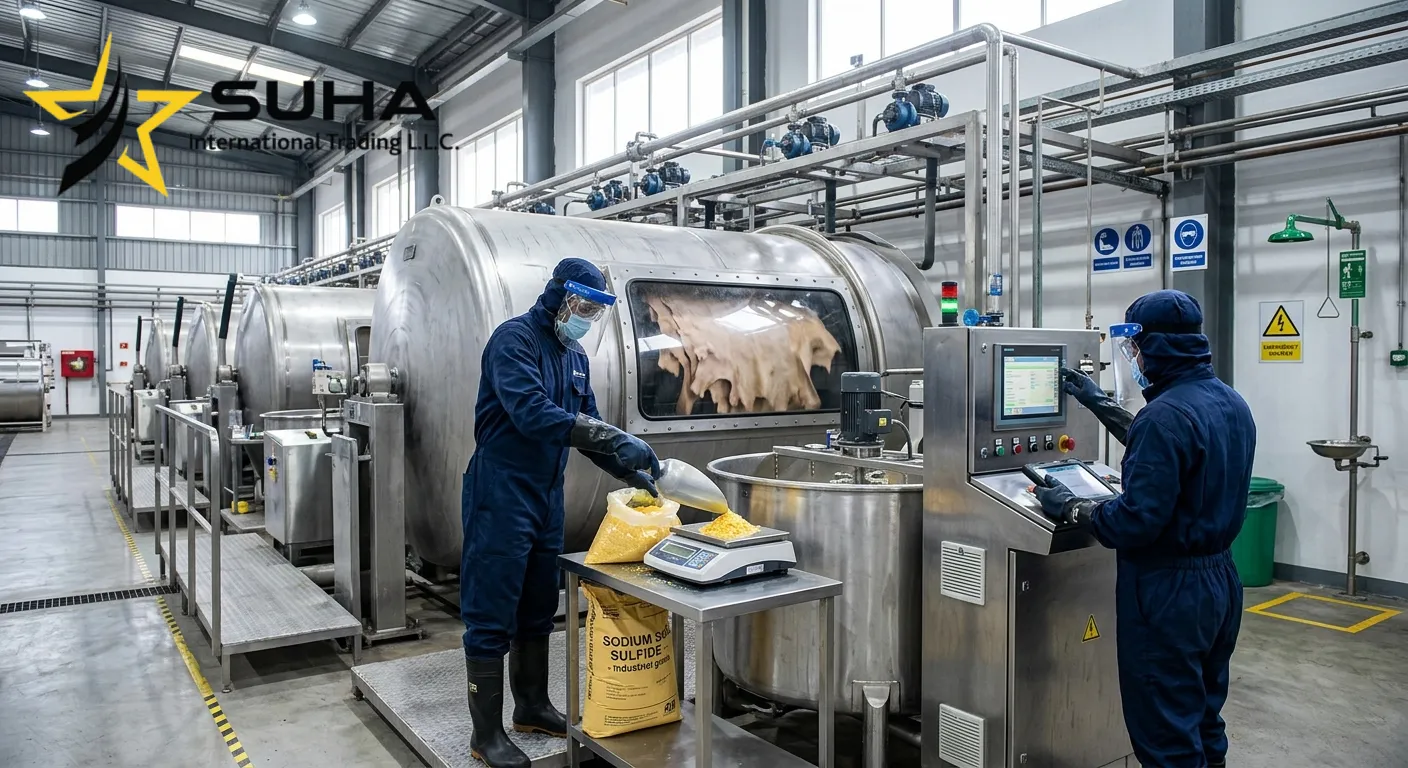
Sodium Sulfide for Leather Dehairing: The Complete Technical Guide for Tanneries
Short Summary
Sodium sulfide (Na₂S) is the industry-standard dehairing agent used in leather processing to remove hair and epidermis from animal hides through the reductive cleavage of keratin disulfide bonds. This comprehensive guide covers the chemical properties, manufacturing process, working mechanisms, industrial applications, safety protocols, environmental considerations, and procurement strategies for sodium sulfide in leather dehairing operations. Written for chemical engineers, tannery managers, and procurement professionals, this resource provides actionable technical insights backed by scientific research and industry best practices.
Featured Snippet
What is sodium sulfide for leather dehairing?
Sodium sulfide (Na₂S) is an inorganic chemical compound used in leather processing to remove hair from animal hides. It works by reducing the disulfide bonds in keratin, the structural protein of hair, causing the hair to dissolve or weaken so it can be easily removed. Typically applied as a 2–4% solution with lime at pH above 12, sodium sulfide is the most widely used dehairing agent in the global tanning industry.
Quick Facts Table
| Property | Details |
|---|---|
| Chemical Name | Sodium Sulfide |
| CAS Number | 1313-82-2 (anhydrous) / 1313-84-4 (nonahydrate) |
| Molecular Formula | Na₂S |
| Molecular Weight | 78.04 g/mol (anhydrous) |
| Appearance | Yellow to brick-red crystalline flakes |
| Odor | Rotten eggs (hydrogen sulfide) |
| Solubility in Water | 186 g/L at 20 °C |
| pH (1% solution) | >12 (strongly alkaline) |
| Primary Use in Leather | Dehairing (unhairing) agent |
| Typical Purity (Technical Grade) | 60% Na₂S minimum |
Introduction
The transformation of raw animal hides into durable, flexible leather is one of humanity’s oldest manufacturing processes. Among the many chemical operations in a modern tannery, dehairing—the removal of hair, wool, and epidermis—stands as perhaps the most critical preparatory step. At the heart of this operation lies sodium sulfide for leather dehairing, a chemical reagent that has defined the industry standard for over a century.
Sodium sulfide (Na₂S) is an inorganic compound that functions as a powerful reducing agent. When applied to hides in an alkaline environment, it cleaves the disulfide bonds in keratin—the structural protein that gives hair its strength and rigidity—effectively dissolving the hair and allowing it to be removed mechanically. This process, known as “hair burning” or “unhairing,” prepares the hide for subsequent operations such as liming, deliming, bating, and tanning.
This guide is written for chemical engineers, tannery production managers, quality control specialists, and procurement professionals who require a comprehensive understanding of sodium sulfide for leather dehairing. It is not a generic overview but a deeply technical resource that covers the chemistry, process engineering, safety, environmental impact, and commercial aspects of this essential chemical.
Industry Overview
The global leather industry processes approximately 1.8 billion hides and skins annually, with the majority destined for footwear, automotive upholstery, garments, and accessories. Dehairing is the first chemical treatment in the beamhouse sequence, and sodium sulfide is the dominant reagent used for this purpose.
The sodium sulfide market is substantial and growing. In 2025, the global sodium sulfide market was valued at approximately USD 653 million and is projected to reach USD 808 million by 2030, representing a compound annual growth rate (CAGR) of 4.36%. The leather tanning sector accounts for approximately 34–36% of global sodium sulfide demand, making it the largest single end-use industry.
Asia-Pacific dominates both production and consumption, with China and India accounting for the bulk of global output. This regional concentration reflects the migration of leather manufacturing capacity to low-cost production centers over the past three decades. However, environmental regulations are increasingly shaping the industry, driving interest in sulfide reduction technologies and alternative dehairing methods. For a detailed comparison between sodium sulfide and its close relative, sodium hydrosulfide, refer to our in-depth analysis: Sodium Sulfide vs Sodium Hydrosulfide – which one suits your process?
Definition and Chemical Identity
Sodium sulfide (CAS 1313-82-2 for the anhydrous form; CAS 1313-84-4 for the nonahydrate) is an inorganic compound with the chemical formula Na₂S. It is a colorless salt that forms strongly alkaline solutions when dissolved in water. In its commercial form, sodium sulfide typically appears as yellow to brick-red flakes or fused solid masses, a coloration caused by impurities such as iron and polysulfides.
The compound is also known by several synonyms, including disodium sulfide, sodium monosulfide, and, in older literature, “sulfurated soda.” It is a member of the sulfide family of compounds and is characterized by its strong reducing properties and its ability to precipitate heavy metals from solution. Learn more about the product and its specifications on our sodium sulfide product page.
Historical Development
The use of sodium sulfide for dehairing hides has its roots in the 19th century. Before the advent of chemical dehairing, tanners relied on biological methods such as “sweating”—allowing hides to decompose naturally in warm, humid conditions—or the application of lime and other alkaline materials to loosen hair.
The Leblanc process, developed in the late 18th century for soda ash production, inadvertently produced sodium sulfide as a byproduct. By the mid-19th century, tanners recognized the depilatory properties of sodium sulfide, and its use became widespread. The compound’s ability to rapidly remove hair without the lengthy waiting times associated with sweating made it an immediate success.
The 20th century saw the refinement of sodium sulfide production processes, the development of standardized grades for the leather industry, and the integration of dehairing into the broader beamhouse sequence. Today, sodium sulfide remains the benchmark against which all alternative dehairing technologies are measured.
Chemical Properties
Sodium sulfide is a chemically active compound with several properties that are critical to its function as a dehairing agent.
Basicity and Hydrolysis
When dissolved in water, sodium sulfide undergoes hydrolysis to form sodium hydroxide and sodium hydrosulfide:
Na₂S + H₂O ⇌ NaOH + NaHS
This reaction produces a strongly alkaline solution with a pH typically above 12. The high alkalinity is essential for the dehairing reaction, as it ensures that the sulfide species remains in the reactive hydrosulfide (HS⁻) form.
Reducing Power
Sodium sulfide is a powerful reducing agent. It readily donates electrons to other species, making it effective at breaking disulfide (S–S) bonds. This reducing capability is the basis for its action on keratin.
Reaction with Acids
Sodium sulfide reacts violently with acids to release hydrogen sulfide (H₂S) gas:
Na₂S + 2HCl → 2NaCl + H₂S↑
Hydrogen sulfide is a highly toxic, flammable gas with a characteristic rotten-egg odor. This reaction poses a significant safety hazard in tanneries and requires strict controls on acid addition and waste stream management.
Oxidation
Exposure to air slowly oxidizes sodium sulfide to sodium thiosulfate (Na₂S₂O₃) and other sulfur species. This oxidation reduces the effective sulfide content of the material and can affect dehairing performance.
Physical Properties
The physical properties of sodium sulfide are important for handling, storage, and process design.
| Property | Anhydrous (Na₂S) | Nonahydrate (Na₂S·9H₂O) |
|---|---|---|
| Molecular Weight | 78.04 g/mol | 240.18 g/mol |
| Appearance | Yellow to brick-red crystals | Colorless to white crystals |
| Melting Point | ~83 °C (decomposes) | ~50 °C (loses water) |
| Density | 1.856 g/cm³ at 14 °C | 1.43 g/cm³ |
| Solubility in Water | 186 g/L at 20 °C | Very soluble |
| Solubility in Ethanol | Slightly soluble | Slightly soluble |
| Hygroscopicity | Highly hygroscopic | Hygroscopic |
| Odor | Rotten eggs (H₂S) | Rotten eggs (H₂S) |
The commercial product is almost always supplied as the hydrated flake form, typically containing 60% Na₂S with the remainder being water of crystallization and impurities. The flakes are free-flowing but can cake if exposed to moisture.
Manufacturing Process
Sodium sulfide is produced industrially through two primary routes: the carbothermic reduction of sodium sulfate and the reaction of sodium hydroxide with hydrogen sulfide.
Carbothermic Reduction (Dominant Route)
The most common industrial method involves the high-temperature reduction of sodium sulfate (Na₂SO₄) with carbon (coal or coke):
Na₂SO₄ + 4C → Na₂S + 4CO
This reaction is carried out in rotary kilns or reverberatory furnaces at temperatures between 800 °C and 1,100 °C. The sodium sulfide product is tapped from the furnace as a molten liquid and then cooled and solidified into flakes or blocks.
The process is energy-intensive and produces carbon monoxide as a byproduct, which must be managed for environmental and safety reasons. Modern plants incorporate heat recovery and gas cleaning systems to improve efficiency and reduce emissions.
Reaction of Sodium Hydroxide with Hydrogen Sulfide
An alternative route involves the absorption of hydrogen sulfide gas in a sodium hydroxide solution:
2NaOH + H₂S → Na₂S + 2H₂O
This method is less common for large-scale production but is used in some facilities where hydrogen sulfide is available as a byproduct from other processes, such as petroleum refining.
Purification
Crude sodium sulfide contains impurities such as iron, polysulfides, and carbonates. For leather-grade material, iron content is particularly critical, as iron can cause discoloration of the finished leather. Purification typically involves dissolution, filtration, and recrystallization to achieve the desired purity and iron specification.
Industrial Grades
Sodium sulfide is available in several grades, each suited to different applications. For leather dehairing, the following grades are most relevant:
Technical Grade (60% Flakes)
This is the industry standard for leather dehairing. It typically contains a minimum of 60% Na₂S and has an iron content of less than 30–50 ppm (low-iron grades) or up to 150 ppm (standard grades). The flakes are yellow to reddish-brown and are supplied in 25 kg bags.
Low-Iron Grade
Low-iron sodium sulfide (iron ≤ 10–30 ppm) is preferred for high-quality leathers where color consistency is paramount. The reduced iron content minimizes the risk of staining and discoloration during subsequent processing.
Anhydrous Grade
Anhydrous sodium sulfide (purity ≥ 95%) is available but is less common in the leather industry due to its higher cost and handling difficulties. It is used where precise stoichiometric control is required or where the water content of the hydrated material would interfere with the process.
Liquid Sodium Sulfide
Liquid formulations (typically 15–45% Na₂S) are available and offer advantages in terms of handling and dosing accuracy. However, they are less common in leather dehairing due to the higher transport costs and the need for specialized storage.
Working Mechanism
The dehairing action of sodium sulfide is based on its ability to chemically degrade keratin, the fibrous protein that constitutes hair, wool, and the epidermal layer of the hide.
Keratin Structure
Keratin is a structural protein characterized by a high content of the amino acid cysteine. Cysteine residues form disulfide (S–S) bonds between adjacent polypeptide chains, creating a highly cross-linked, rigid structure that gives hair its strength and resistance to mechanical and enzymatic attack.
Sulfide Attack on Disulfide Bonds
In the alkaline environment of the dehairing bath (pH > 12), the sulfide species (predominantly HS⁻) acts as a nucleophile, attacking the disulfide bonds in keratin. The reaction can be summarized as:
R–S–S–R + HS⁻ → R–SH + R–S–S⁻
This reductive cleavage breaks the cross-links that give keratin its structural integrity. The hair shaft swells, weakens, and eventually dissolves or can be easily removed by mechanical action (e.g., scraping or paddling).
The pH Dependence
The dehairing reaction is strongly pH-dependent. Below pH 11, the reaction rate is negligible. At pH values above 12, the reaction proceeds rapidly. This is because the reactive species—the hydrosulfide ion (HS⁻)—is the dominant sulfide species in this pH range. Recent research has challenged the traditional view that the dianionic sulfide ion (S²⁻) is the active species, as S²⁻ has been shown to be essentially non-existent in aqueous solution even at very high pH.
Scientific Explanation
The chemistry of sulfide unhairing is more complex than a simple reductive cleavage of disulfide bonds. Recent research has revealed that the accepted mechanism requires revision.
The Speciation of Sulfide in Water
In aqueous solution, sulfide exists in three forms depending on pH:
- pH < 6: Hydrogen sulfide (H₂S) – molecular, neutral
- pH 6–12: Hydrosulfide (HS⁻) – anionic, monovalent
- pH > 12: Sulfide (S²⁻) – traditionally assumed but now known to be virtually non-existent
Researchers have been unable to detect the S²⁻ species in aqueous solution using Raman spectroscopy, even in hyper-concentrated alkaline media. The second acid dissociation constant (pKa₂) for H₂S has been estimated to be approximately 19, meaning the concentration of S²⁻ is vanishingly small under any practical conditions.
Implications for the Mechanism
The traditional mechanism—which assumed that the dianionic S²⁻ species was the active nucleophile—is therefore incorrect. The hydrosulfide ion (HS⁻) must be the species responsible for the cleavage of disulfide bonds. This has implications for process optimization, as it suggests that the reaction rate is governed by the concentration of HS⁻ and the availability of the disulfide substrate, rather than by the presence of S²⁻.
Alternative Pathways
It is also possible that the dehairing reaction proceeds via a mechanism involving the formation of a sulfenyl sulfide intermediate, which then undergoes further reaction to yield thiols and other products. The exact details remain an active area of research.
Chemical Reactions
The key chemical reactions involved in sodium sulfide dehairing and associated processes are presented below.
Hydrolysis of Sodium Sulfide
Na₂S + H₂O → NaOH + NaHS
This reaction generates the alkalinity required for the dehairing process and produces the active hydrosulfide species.
Cleavage of Keratin Disulfide Bonds
Keratin–S–S–Keratin + HS⁻ → Keratin–SH + Keratin–S–S⁻
The hydrosulfide ion attacks the disulfide bond, breaking the cross-link and producing a thiol and a persulfide.
Reaction with Acids (Hazardous)
Na₂S + 2HCl → 2NaCl + H₂S↑
This reaction releases highly toxic hydrogen sulfide gas and must be avoided in all circumstances.
Oxidation by Air
2Na₂S + 2O₂ + H₂O → Na₂S₂O₃ + 2NaOH
Slow oxidation reduces the active sulfide content and can lead to the formation of thiosulfate and other sulfur oxyanions.
Industrial Process
The industrial dehairing process using sodium sulfide is typically carried out in rotating drums or pits, with the following sequence:
Hide Preparation
Raw hides are soaked in water to rehydrate them and remove salt, dirt, and blood. The soaking process may include detergents and bactericides.
Dehairing Solution Preparation
A solution of sodium sulfide (typically 2–4% by weight of hide) and lime (calcium hydroxide, 10–20%) is prepared in water. The lime serves to maintain the high pH and to swell the hide, facilitating penetration of the sulfide.
Application
The hides are immersed in the dehairing solution in a drum or pit. The drum is rotated to ensure uniform contact between the solution and the hides. The process typically lasts 4–24 hours, depending on the temperature, the concentration of sulfide, and the type of hide.
Hair Removal
After the dehairing solution has acted, the hides are transferred to a fleshing machine or unhairing drum, where the loosened hair and epidermis are removed mechanically by scraping or rubbing.
Washing and Liming
The dehaired hides are washed to remove residual sulfide and then subjected to a liming operation to further open the fiber structure and remove non-collagenous proteins.
Operating Parameters
The following table summarizes the key operating parameters for sodium sulfide dehairing.
| Parameter | Typical Range | Optimum | Notes |
|---|---|---|---|
| Na₂S Concentration | 1.5–5% (of hide weight) | 2.5–3.5% | Higher for heavier hides |
| Lime (Ca(OH)₂) Concentration | 8–20% | 10–12% | Maintains pH > 12 |
| Water Ratio | 40–100% (of hide weight) | 60–80% | Floats in drum |
| Temperature | 20–35 °C | 25–30 °C | Higher temperatures accelerate reaction |
| pH | 12.0–13.5 | 12.5–13.0 | Critical for reaction rate |
| Process Time | 4–24 hours | 8–12 hours | Depends on hide type and temperature |
| Drum Speed | 2–6 rpm | 3–4 rpm | Ensures uniform contact |
These parameters must be carefully controlled to achieve consistent dehairing without damaging the collagen structure of the hide. Over-treatment can lead to “puffy” or “loose” leather, while under-treatment results in incomplete hair removal.
Process Optimization
Optimizing the sodium sulfide dehairing process requires a systematic approach to balancing reaction rate, hide quality, and chemical consumption.
Reducing Sulfide Consumption
Conventional dehairing processes use 2–4% sodium sulfide based on hide weight. However, research has shown that effective dehairing can be achieved with significantly lower concentrations—as low as 0.35% sodium sulfide—when combined with optimized lime levels and process conditions. This reduction not only lowers chemical costs but also reduces the sulfide load in wastewater.
Temperature Control
The dehairing reaction is temperature-sensitive. Increasing the temperature from 25 °C to 35 °C can reduce the required process time by 30–50%. However, higher temperatures also increase the risk of collagen damage and hydrogen sulfide volatilization. Most tanneries operate in the 25–30 °C range to balance speed and quality.
Mechanical Action
The mechanical action of the drum is critical for process efficiency. Higher drum speeds improve mass transfer and reduce the time required for uniform penetration. However, excessive mechanical action can damage the hide surface. The optimal drum speed is typically 3–4 rpm.
Monitoring and Control
Modern tanneries use online pH and temperature sensors to monitor the dehairing process in real time. Some facilities also use sulfide ion-selective electrodes to track the concentration of active sulfide in the float, allowing for precise chemical additions.
Equipment
The dehairing process requires specialized equipment designed to handle the corrosive and hazardous nature of sodium sulfide solutions.
Dehairing Drums
Rotating drums are the most common equipment for sodium sulfide dehairing. They are typically constructed from stainless steel (316L grade) or lined with corrosion-resistant materials such as rubber or polypropylene. Drums range in capacity from 1 to 20 tonnes of hides and are equipped with internal baffles to promote mixing.
Pits (Static Vats)
Some tanneries, particularly in developing regions, still use static pits for dehairing. Pits are less efficient than drums but have lower capital costs. They require manual handling of hides and are associated with higher labor costs and poorer working conditions.
Chemical Dosing Systems
Accurate dosing of sodium sulfide and lime is essential for consistent results. Modern tanneries use automated dosing systems with mass flow meters and control valves. These systems can be integrated with the drum control system to maintain set-points for chemical concentration and pH.
Ventilation and Gas Detection
Given the risk of hydrogen sulfide release, dehairing areas must be equipped with mechanical ventilation and hydrogen sulfide gas detectors. These systems are designed to maintain hydrogen sulfide concentrations below the occupational exposure limit (typically 10 ppm for an 8-hour time-weighted average).
Quality Control
Quality control in sodium sulfide dehairing encompasses both the incoming chemical and the process itself.
Incoming Raw Material Testing
Each batch of sodium sulfide should be tested for:
- Na₂S content: Titration with iodine or potassium permanganate
- Iron content: Atomic absorption spectroscopy or colorimetric methods
- Insoluble matter: Gravimetric analysis
- Alkalinity: pH measurement of a standard solution
Process Control
Key process parameters that should be monitored include:
- pH of the dehairing float
- Temperature
- Sulfide concentration (by titration or ion-selective electrode)
- Process time
Finished Pelt Evaluation
The quality of the dehaired pelt is assessed by:
- Hair removal efficiency: Visual inspection for residual hair
- Grain condition: Inspection for grain damage, “scud” (epidermal debris), or “cracks”
- Swelling: Measurement of pelt thickness and consistency
- Collagen integrity: Shrinkage temperature test (hydrothermal stability)
Industry Standards
Sodium sulfide for leather dehairing must comply with various industry standards and specifications.
Chemical Specifications
Leather-grade sodium sulfide typically meets the following specifications:
| Parameter | Standard Grade | Low-Iron Grade |
|---|---|---|
| Na₂S (minimum) | 60% | 60% |
| Iron (maximum) | 150 ppm | 10–30 ppm |
| Insoluble Matter (maximum) | 1.0% | 0.5% |
| Sodium Carbonate (maximum) | 3.0% | 2.0% |
| Sodium Thiosulfate (maximum) | 2.0% | 1.0% |
Chinese Standard GB/T 10500-2009
In China, the world’s largest producer and consumer of sodium sulfide, the standard GB/T 10500-2009 specifies the requirements for industrial sodium sulfide. It covers two grades: Grade 1 (≥60% Na₂S) and Grade 2 (≥55% Na₂S), with limits on iron, water-insoluble matter, and other impurities.
International Standards
In addition to national standards, sodium sulfide for leather applications must often meet international specifications set by organizations such as:
- ASTM International: ASTM D4900 (standard test method for sulfide content in leather) and related standards
- ISO (International Organization for Standardization): ISO 4048 (leather – determination of water-soluble matter) and ISO 4049 (leather – determination of sulfated ash)
- IULTCS (International Union of Leather Technologists and Chemists Societies): Standard methods for the analysis of leather and leather chemicals
- REACH (Registration, Evaluation, Authorisation and Restriction of Chemicals): European Union regulation that applies to sodium sulfide imported into or manufactured in the EU
Advantages
Sodium sulfide has remained the dominant dehairing agent for more than a century because of several key advantages.
Rapid and Effective
Sodium sulfide removes hair quickly and completely, typically within 4–12 hours. This speed is essential for the high throughput required in modern tanneries.
Economical
Compared to alternative dehairing agents, sodium sulfide is relatively inexpensive and widely available. The cost per tonne of hides processed is low, making it the most economical option for most tanneries.
Versatile
Sodium sulfide is effective on all hide types—bovine, ovine, caprine, and porcine—and works under a wide range of process conditions.
Well-Understood
The process is well-characterized, with a century of accumulated knowledge and experience. Tannery operators are familiar with the handling, dosing, and troubleshooting of sodium sulfide systems.
Limitations
Despite its advantages, sodium sulfide has significant limitations that must be managed.
Toxicity and Safety Hazards
Sodium sulfide is highly toxic and corrosive. Contact with acids releases hydrogen sulfide gas, which is lethal at concentrations above 100 ppm. Worker exposure must be strictly controlled, and extensive safety measures are required.
Environmental Impact
The dehairing process generates wastewater with high sulfide, organic, and alkaline loads. Conventional unhairing wastewater is a major source of pollution in the leather industry, contributing 60–70% of the total pollution load. Sulfide in wastewater is toxic to aquatic life and can cause odor problems.
Collagen Damage
If not carefully controlled, sodium sulfide can attack the collagen structure of the hide, leading to reduced leather strength, “loose” grain, and pelt damage. Over-liming and excessive sulfide concentrations are common causes of quality defects.
Disposal Costs
The cost of treating sulfide-laden wastewater is substantial. Many tanneries are required to install expensive end-of-pipe treatment systems to meet discharge limits.
Comparison with Alternatives
Several alternatives to sodium sulfide dehairing have been developed, driven by environmental and safety concerns. For a deeper dive into how sodium sulfide compares with sodium hydrosulfide—another commonly used sulfide in leather processing—visit our dedicated comparison article: Sodium Sulfide vs Sodium Hydrosulfide – detailed analysis.
| Method | Active Agent | Advantages | Disadvantages | Adoption Level |
|---|---|---|---|---|
| Sodium Sulfide (Conventional) | Na₂S + Lime | Fast, effective, low cost, well-understood | Toxic, hazardous, high pollution load | Dominant (90%+) |
| Enzymatic Dehairing | Proteases | Cleaner, lower toxicity, hair recovery possible | Slower, less complete, variable results | Low (niche) |
| Oxidative Dehairing | H₂O₂, Na₂CO₃ | No sulfide, benign byproducts | Higher cost, slower, potential grain damage | Very low (R&D) |
| Sodium Percarbonate | Na₂CO₃·1.5H₂O₂ | Cleaner, oxidative mechanism | Higher cost, less established | Very low (R&D) |
| Deep Eutectic Solvents | Choline chloride + ethylene glycol | Eco-friendly, recyclable | R&D stage, high cost | Experimental |
Enzymatic Dehairing
Enzymatic dehairing uses proteolytic enzymes to degrade the proteins that anchor hair in the follicle. While it offers a cleaner alternative to sodium sulfide, it is slower, less predictable, and often results in incomplete hair removal. Enzymatic processes also require careful control of pH and temperature.
Oxidative Dehairing
Oxidative methods using hydrogen peroxide or sodium percarbonate have been developed as sulfide-free alternatives. These processes oxidize the hair and epidermis, but they are slower and more expensive than sulfide-based methods. The byproducts—such as sodium carbonate—are benign, but the processes have not yet achieved widespread industrial adoption.
Hair-Saving Processes
Some alternative processes aim to save the hair for reuse, rather than dissolving it. These methods use reducing agents such as sodium hydrosulfite or thiol compounds to weaken the hair root without dissolving the hair shaft. Hair-saving processes reduce the pollution load but require additional processing steps.
Applications
Beyond leather dehairing, sodium sulfide has numerous other industrial applications.
Leather Processing
- Dehairing/Unhairing: Removal of hair and epidermis from hides
- Liming: Preparation of hides for tanning
- Deliming: In some formulations, used to remove lime from pelts
Textile Industry
- Dyeing: Reductive dyeing of cotton with sulfur dyes
- Bleaching: Desulfurization of viscose rayon
- Dechlorination: Removal of residual chlorine from textiles
Pulp and Paper
- Kraft Process: Component of white liquor for delignification of wood chips
- Pulping: Reduction of lignin in wood pulp
Mining and Metallurgy
- Ore Flotation: Depressant in sulfide ore flotation
- Metal Precipitation: Recovery of heavy metals from process streams
Water Treatment
- Heavy Metal Removal: Precipitation of metals such as copper, lead, and zinc
- Dechlorination: Removal of chlorine from wastewater
Industry Case Studies
Case Study: Reducing Sulfide Consumption in an Indian Tannery
An Indian tannery processing 5,000 bovine hides per day reduced its sodium sulfide consumption from 4% to 0.35% of hide weight through a combination of process optimization and the adoption of an enzyme-assisted dehairing system. The reduced sulfide consumption lowered chemical costs by 60% and reduced the sulfide load in wastewater by 85%. The tannery also reported improved pelt quality and reduced hydrogen sulfide emissions.
Case Study: Oxidative Dehairing at a US Research Facility
A USDA research facility developed an oxidative dehairing process using sodium perborate that eliminated the use of sodium sulfide entirely. The process, which used hydrogen peroxide as the oxidant, achieved complete hair removal in under 6 hours. The byproduct was benign sodium carbonate, and the wastewater was significantly less polluted than conventional dehairing effluent. However, the process was not adopted commercially due to higher chemical costs.
Case Study: Hair-Saving Dehairing in Europe
A European tannery implemented a hair-saving dehairing process using a combination of sodium hydrosulfite and lime. The process recovered 80% of the hair for sale as a byproduct, generating additional revenue. The sulfide load in wastewater was reduced by 70%, and the tannery achieved compliance with EU environmental regulations without installing a dedicated sulfide oxidation system.
Common Mistakes
The following are common mistakes in sodium sulfide dehairing operations:
Over-dosing Sodium Sulfide
Adding more sodium sulfide than necessary does not speed up the process proportionally; instead, it increases the risk of collagen damage and generates excessive sulfide in wastewater. The optimum dosage is 2.5–3.5% of hide weight.
Insufficient Lime Addition
Lime is essential for maintaining the high pH required for the reaction. Without sufficient lime, the pH can drop below 11, and the dehairing reaction will slow or stop.
Inadequate Temperature Control
Temperature fluctuations can lead to inconsistent dehairing results. Low temperatures slow the reaction, while high temperatures increase the risk of collagen damage and hydrogen sulfide volatilization.
Poor Mixing
Inadequate mixing in the drum results in uneven distribution of the sulfide solution, leading to patches of incomplete hair removal and over-treated areas.
Ignoring Iron Content
Standard-grade sodium sulfide with high iron content can cause staining and discoloration of the finished leather. For light-colored leathers, low-iron grades are essential.
Troubleshooting Guide
| Problem | Possible Cause | Solution |
|---|---|---|
| Incomplete hair removal | Low sulfide concentration, low pH, low temperature | Check dosage, add lime, increase temperature |
| Grain damage | Excessive sulfide, over-liming, high temperature | Reduce dosage, shorten process time, lower temperature |
| “Puffy” or “loose” pelt | Over-liming, excessive swelling | Reduce lime dosage, shorten liming time |
| H₂S odor in workplace | Acid contamination, inadequate ventilation | Check for acid sources, improve ventilation, use gas detectors |
| Discoloration of pelt | High iron content in sodium sulfide | Switch to low-iron grade |
| Wastewater sulfide odor | High sulfide load, anaerobic conditions | Oxidize sulfide in wastewater, improve aeration |
Safety
Sodium sulfide is a hazardous substance that requires strict safety protocols.
Health Hazards
Sodium sulfide is:
- Toxic: Harmful or fatal if swallowed, inhaled, or absorbed through the skin
- Corrosive: Causes severe skin burns and eye damage
- Reactive: Contact with acids releases toxic hydrogen sulfide gas
- Flammable: Self-heating; may catch fire
Personal Protective Equipment (PPE)
Workers handling sodium sulfide must wear:
- Chemical-resistant gloves (nitrile or neoprene)
- Safety goggles or full-face shield
- Chemical-resistant apron or coverall
- Respiratory protection (supplied-air respirator in high-exposure areas)
- Safety footwear
Engineering Controls
- Local exhaust ventilation at points of dust or fume generation
- Emergency eyewash stations and safety showers
- Hydrogen sulfide gas detectors with audible and visual alarms
- Acid-free storage areas to prevent accidental H₂S generation
First Aid
- Skin contact: Remove contaminated clothing, wash with soap and water for at least 15 minutes
- Eye contact: Rinse with water for at least 15 minutes, seek medical attention
- Inhalation: Move to fresh air, administer oxygen if breathing is difficult, seek immediate medical attention
- Ingestion: Do not induce vomiting, seek immediate medical attention
Storage
Proper storage is essential to maintain product quality and ensure safety.
Storage Conditions
- Store in a cool, dry, well-ventilated area
- Temperature range: 5–25 °C
- Protect from moisture and humidity (hygroscopic)
- Keep away from acids and oxidizing agents
- Store in original, tightly sealed containers
Storage Containers
- Polyethylene, polypropylene, or stainless steel (316L) containers
- Do not use aluminum or galvanized containers (corrosion risk)
- Bulk storage in silos with inert gas blanketing to prevent oxidation
Shelf Life
Under proper storage conditions, sodium sulfide flakes have a shelf life of 1–3 years. Over time, the product will absorb moisture and oxidize, reducing its effective sulfide content.
Packaging
Sodium sulfide is typically packaged as follows:
Small Pack (25 kg Bags)
The most common packaging is the 25 kg multi-layer bag. The inner layer is a plastic film bag (heat-sealed), and the outer layer is a woven plastic bag with stitched seams. This packaging provides protection against moisture and mechanical damage.
Bulk Bags (500–1,000 kg)
For larger consumers, sodium sulfide is available in bulk bags (FIBCs) with an inner liner. Bulk bags are more economical for high-volume users and reduce packaging waste.
Drums
Steel drums with plastic liners are used for some specialty grades. Drums offer better protection against moisture and are suitable for export shipments.
Transportation
Sodium sulfide is classified as a hazardous material for transport.
UN Classification
- UN Number: UN 1849 (sodium sulfide, hydrated, with not less than 30% water)
- UN 1385: Sodium sulfide, anhydrous or sodium sulfide with less than 30% water of crystallization
- Hazard Class: 8 (Corrosive substance)
- Packing Group: II
Transport Requirements
- Vehicles must be equipped with appropriate hazard placards
- Segregate from acids and oxidizing agents
- Protect from rain, moisture, and heat
- Ensure containers are securely closed to prevent leakage
Environmental Impact
The environmental impact of sodium sulfide dehairing is significant and requires active management.
Water Pollution
Sulfide in wastewater is toxic to aquatic life. Conventional dehairing wastewater contains high concentrations of sulfide, organic matter (from degraded hair and epidermis), and alkalinity. The sulfide can deplete dissolved oxygen in receiving waters and cause fish kills.
Air Pollution
Hydrogen sulfide gas is released during the dehairing process and from wastewater. H₂S is a malodorous, toxic gas that can cause health problems for workers and communities. Tanneries must control H₂S emissions through ventilation, gas scrubbing, and process optimization.
Solid Waste
The dehairing process generates hair sludge and lime sludge, which must be disposed of in compliance with environmental regulations.
Regulatory Framework
Environmental regulations on sulfide discharges are becoming stricter worldwide. In the European Union, the Industrial Emissions Directive (IED) sets limits on sulfide concentrations in tannery wastewater. Similar regulations exist in the United States (Clean Water Act) and many other countries.
Wastewater Treatment
Effective wastewater treatment is essential for tanneries using sodium sulfide.
Sulfide Oxidation
The most common method for removing sulfide from wastewater is oxidation. Sulfide can be oxidized to thiosulfate, sulfite, or sulfate using:
- Aeration: Oxygen (air) oxidizes sulfide, especially at alkaline pH
- Chemical Oxidation: Hydrogen peroxide, potassium permanganate, or chlorine
- Biological Oxidation: Sulfide-oxidizing bacteria (e.g., Thiobacillus species)
Precipitation
Sulfide can be precipitated as insoluble metal sulfides by adding metal salts (e.g., iron salts, zinc salts). This method is effective but generates sludge that requires disposal.
Zero Liquid Discharge (ZLD)
Some tanneries are adopting zero liquid discharge systems that recover and recycle water and chemicals. ZLD systems use evaporation, crystallization, and membrane technologies to eliminate wastewater discharge. While capital-intensive, ZLD offers a sustainable solution for water-stressed regions.
Sulfide Recovery
Sulfide can be recovered from wastewater by acidification and stripping, followed by absorption in an alkaline solution. The recovered sulfide can be recycled to the dehairing process, reducing chemical consumption and wastewater load.
Market Overview
The global sodium sulfide market is characterized by steady growth, regional concentration, and evolving demand patterns.
Market Size and Growth
The global sodium sulfide market was valued at approximately USD 653 million in 2025 and is projected to reach USD 808 million by 2030, at a CAGR of 4.36%. The market is driven by demand from leather tanning, pulp and paper, and water treatment sectors.
Product Segmentation
By product type, anhydrous flakes dominate with 46.56% revenue share in 2024, while anhydrous prills are forecast to expand at a 5.03% CAGR. By form, solid sodium sulfide captured 62.13% share in 2024, with liquid formulations holding the highest projected growth at 5.24% CAGR. Technical grade accounted for 64.45% of volume in 2024.
Application Segmentation
Leather tanning is the largest application, accounting for 36.65% of the market in 2024. Other significant applications include ore flotation, pulp and paper, water treatment, and textile dyeing.
Global Demand
The demand for sodium sulfide is closely linked to the global leather industry.
Demand Drivers
- Leather Goods Production: Growth in automotive, footwear, and fashion industries
- Urbanization and Disposable Income: Rising demand for leather products in emerging economies
- Industrialization: Expansion of leather processing capacity in Asia and Africa
Demand by Region
Asia-Pacific dominates global demand, accounting for approximately 64.56% of global revenue in 2024. China is the largest consumer, followed by India, Pakistan, and Bangladesh. Europe and North America are mature markets with stable demand.
Major Producing Countries
Production of sodium sulfide is concentrated in a few key countries.
China
China is the world’s largest producer of sodium sulfide, with numerous plants located in the provinces of Inner Mongolia, Shandong, and Sichuan. Chinese production is primarily based on the carbothermic reduction of sodium sulfate, using locally available coal and sodium sulfate.
India
India is the second-largest producer, with production concentrated in Gujarat, Rajasthan, and Maharashtra. Indian producers supply both the domestic leather industry and export markets.
Other Producers
Other significant producers include the United States (Solvay, Nouryon), Germany (TIB Chemicals), Russia, and Japan.
Major Importing Countries
Countries with large leather industries but limited domestic production of sodium sulfide are major importers.
Pakistan
Pakistan has a significant leather industry but relies heavily on imports of sodium sulfide from China and India.
Bangladesh
Bangladesh is a major leather producer and imports substantial quantities of sodium sulfide, primarily from India and China.
Vietnam
Vietnam’s rapidly growing leather industry drives demand for imported sodium sulfide.
Brazil
Brazil has a large leather industry and imports sodium sulfide from various sources, including China and the United States.
Buying Guide
When purchasing sodium sulfide for leather dehairing, consider the following factors. For detailed product specifications and to request a quote, visit our sodium sulfide product page.
Grade Selection
Select the grade based on your quality requirements and end-product specifications. For high-quality, light-colored leathers, use low-iron grade (iron ≤ 10–30 ppm). For standard leathers, technical grade (iron ≤ 150 ppm) is sufficient.
Purity
Technical grade sodium sulfide typically contains 60% Na₂S minimum. Higher purity grades (anhydrous, 95%+) are available but are not cost-effective for most dehairing applications.
Form
Yellow flakes are the industry standard. They are easy to handle, dissolve readily in water, and are available from most suppliers. Liquid sodium sulfide is an option for large-scale operations with proper storage facilities.
Packaging
Choose packaging that suits your handling and storage capabilities. 25 kg bags are suitable for manual handling, while bulk bags or drums are better for high-volume users.
Supplier Selection Guide
Selecting a reliable supplier is critical for consistent product quality and supply chain security.
Key Evaluation Criteria
| Criterion | What to Look For |
|---|---|
| Quality Assurance | ISO 9001 certification, in-house laboratory, consistent COA |
| Product Consistency | Batch-to-batch variation ≤ 2% for Na₂S content |
| Supply Reliability | Proven track record, adequate production capacity, contingency plans |
| Logistics Capability | Experience with hazardous materials, global shipping network |
| Regulatory Compliance | REACH, OSHA, and other relevant regulations |
| Technical Support | Ability to provide application advice and troubleshooting assistance |
| Pricing | Competitive pricing with transparent cost structure |
Supplier Audits
Conduct periodic audits of key suppliers to verify quality systems, production processes, and environmental compliance. Site visits are recommended for critical suppliers.
Supply Chain Security
Consider diversifying your supplier base to mitigate risks associated with geopolitical instability, natural disasters, or production disruptions. Maintain safety stock of at least 30–60 days of consumption.
Technical Specifications
The following are typical technical specifications for leather-grade sodium sulfide.
| Parameter | Specification | Test Method |
|---|---|---|
| Na₂S Content | ≥ 60.0% | Iodometric titration |
| Iron (Fe) | ≤ 30 ppm (low-iron) / ≤ 150 ppm (standard) | AAS or spectrophotometry |
| Sodium Carbonate (Na₂CO₃) | ≤ 2.0% | Acid-base titration |
| Sodium Thiosulfate (Na₂S₂O₃) | ≤ 1.0% | Iodometric titration |
| Insoluble Matter | ≤ 0.5% | Gravimetric |
| Moisture | ≤ 2.0% (anhydrous) / 30–40% (hydrated flakes) | Karl Fischer / loss on drying |
Typical Certificate of Analysis (COA)
A typical COA for leather-grade sodium sulfide (60% yellow flakes, low-iron) might show the following results:
| Parameter | Result | Specification |
|---|---|---|
| Na₂S | 61.2% | ≥ 60.0% |
| Fe | 18 ppm | ≤ 30 ppm |
| Na₂CO₃ | 1.2% | ≤ 2.0% |
| Na₂S₂O₃ | 0.6% | ≤ 1.0% |
| Insoluble Matter | 0.3% | ≤ 0.5% |
| Moisture | 36.5% | 30–40% |
| pH (1% solution) | 12.8 | > 12.0 |
| Appearance | Yellow flakes | Yellow to reddish-brown |
Comparison Tables
Comparison of Sodium Sulfide Grades
| Grade | Na₂S (%) | Fe (ppm) | Application | Relative Cost |
|---|---|---|---|---|
| Technical (Standard) | ≥ 60% | ≤ 150 | Standard leather, pulp, flotation | Baseline |
| Technical (Low-Iron) | ≥ 60% | ≤ 30 | High-quality leather, light colors | +10–15% |
| Technical (Ultra-Low Iron) | ≥ 60% | ≤ 10 | Premium leather, white leather | +20–30% |
| Anhydrous | ≥ 95% | ≤ 50 | Specialty, precise stoichiometry | +50–100% |
Comparison of Dehairing Methods
| Parameter | Na₂S/Lime | Enzymatic | Oxidative |
|---|---|---|---|
| Process Time (hours) | 4–12 | 8–24 | 6–12 |
| Chemical Cost (USD/ton hide) | 15–25 | 30–50 | 40–60 |
| Wastewater COD (mg/L) | 5,000–10,000 | 3,000–6,000 | 2,000–4,000 |
| Wastewater Sulfide (mg/L) | 1,000–3,000 | 50–200 | < 10 |
| Hair Recovery | No | Yes | No |
| Worker Exposure Risk | High (H₂S) | Low | Low |
| Technology Maturity | High | Medium | Low |
Best Practices
Process Best Practices
- Dose accurately: Use calibrated dosing equipment to achieve the target sulfide concentration
- Control pH: Maintain pH ≥ 12 throughout the process; add lime as needed
- Monitor temperature: Keep temperature in the 25–30 °C range
- Optimize drum speed: Balance mixing efficiency with hide quality
- Use low-iron grades: For light-colored leathers, specify low-iron sodium sulfide
Safety Best Practices
- Conduct risk assessments: Regularly review processes for H₂S release points
- Install gas detection: Fixed H₂S detectors in all dehairing areas
- Provide PPE: Ensure all workers have appropriate PPE and know how to use it
- Train workers: Regular training on safe handling and emergency procedures
- Emergency response: Develop and practice emergency response plans for H₂S releases
Environmental Best Practices
- Minimize sulfide use: Optimize process to use the minimum effective dosage
- Treat wastewater: Install and operate effective sulfide oxidation systems
- Recover sulfide: Consider sulfide recovery and recycling to reduce chemical consumption
- Monitor emissions: Regular monitoring of air and water emissions
Expert Recommendations
Based on decades of industry experience, the following recommendations are offered:
For Tannery Managers
- Invest in automation: Automated dosing and process control systems reduce variability, improve quality, and lower chemical consumption
- Adopt a continuous improvement mindset: Regularly review process performance and implement incremental improvements
- Engage with suppliers: Work with sodium sulfide suppliers to optimize product specifications for your specific needs
For Process Engineers
- Understand the chemistry: A deep understanding of the reaction mechanism (including the role of HS⁻) enables better process optimization
- Use data-driven optimization: Collect and analyze process data to identify correlations and optimize parameters
- Explore alternatives: Stay informed about emerging dehairing technologies and evaluate their potential for your facility
For Procurement Professionals
- Specify clearly: Use detailed technical specifications to ensure consistent product quality
- Audit suppliers: Regularly audit suppliers to verify quality systems and production processes
- Consider total cost: Evaluate suppliers on total cost of ownership, not just price
Frequently Asked Questions
What is sodium sulfide used for in leather processing?
Sodium sulfide is used as a dehairing (unhairing) agent to remove hair and epidermis from animal hides during the beamhouse stage of leather production. It breaks the disulfide bonds in keratin, the protein that makes up hair, causing the hair to dissolve or weaken so it can be easily removed.
How does sodium sulfide remove hair from hides?
Sodium sulfide works by reducing the disulfide bonds in keratin. In the alkaline environment of the dehairing bath, the hydrosulfide ion (HS⁻) attacks the disulfide bonds, breaking the cross-links that give hair its structural integrity. The hair then swells, weakens, and can be removed mechanically.
What concentration of sodium sulfide is used for dehairing?
Typical sodium sulfide concentrations range from 2% to 4% of the hide weight, with 2.5–3.5% being the most common range. Lime is added at 10–20% of hide weight to maintain the high pH required for the reaction.
What are the hazards of sodium sulfide in tanneries?
Sodium sulfide is toxic, corrosive, and reactive. The main hazards are: toxicity if ingested or inhaled, severe skin and eye burns, and the release of highly toxic hydrogen sulfide gas on contact with acids. Hydrogen sulfide is lethal at concentrations above 100 ppm.
How should sodium sulfide be stored in a tannery?
Sodium sulfide should be stored in a cool, dry, well-ventilated area, away from acids and oxidizing agents. The storage temperature should be maintained between 5 °C and 25 °C. Containers must be kept tightly sealed to prevent moisture absorption and oxidation.
What is the difference between anhydrous and hydrated sodium sulfide?
Anhydrous sodium sulfide (Na₂S) has a molecular weight of 78.04 g/mol and contains no water of crystallization. Hydrated sodium sulfide, typically the nonahydrate (Na₂S·9H₂O), contains nine molecules of water per molecule of Na₂S and has a molecular weight of 240.18 g/mol. The hydrated form is more commonly used in industry.
What is the shelf life of sodium sulfide flakes?
Under proper storage conditions (cool, dry, sealed containers), sodium sulfide flakes have a shelf life of 1–3 years. Over time, the product will absorb moisture and oxidize, reducing its effective sulfide content.
Why is iron content important in sodium sulfide for leather?
Iron impurities in sodium sulfide can cause staining and discoloration of the finished leather. For light-colored leathers, low-iron grades (iron ≤ 30 ppm) are essential to prevent discoloration.
What are the alternatives to sodium sulfide for dehairing?
Alternatives include enzymatic dehairing (using proteases), oxidative dehairing (using hydrogen peroxide or sodium percarbonate), and hair-saving methods (using sodium hydrosulfite or thiol compounds). Each has advantages and disadvantages in terms of cost, effectiveness, and environmental impact.
How is sodium sulfide manufactured?
Sodium sulfide is primarily manufactured by the carbothermic reduction of sodium sulfate with carbon (coal or coke) at high temperatures (800–1,100 °C). The reaction is: Na₂SO₄ + 4C → Na₂S + 4CO. An alternative route involves the reaction of sodium hydroxide with hydrogen sulfide.
What are the environmental impacts of sodium sulfide dehairing?
The dehairing process generates wastewater with high sulfide, organic, and alkaline loads. Sulfide is toxic to aquatic life and can deplete dissolved oxygen in receiving waters. The process also releases hydrogen sulfide gas, which is malodorous and toxic.
How can sulfide pollution in tannery wastewater be treated?
Sulfide can be removed from wastewater by oxidation (aeration, chemical oxidation with hydrogen peroxide, or biological oxidation), precipitation with metal salts, or recovery and recycling. Many tanneries use a combination of these methods.
What is the pH requirement for sodium sulfide dehairing?
The dehairing reaction requires a pH above 12. Lime (calcium hydroxide) is added to maintain the high pH. At pH values below 11, the reaction rate is negligible.
How does temperature affect the dehairing process?
Higher temperatures accelerate the dehairing reaction. At 25–30 °C, the process typically takes 4–12 hours. Temperatures above 35 °C increase the risk of collagen damage and hydrogen sulfide volatilization. Most tanneries operate in the 25–30 °C range.
What is the market size of the sodium sulfide industry?
The global sodium sulfide market was valued at approximately USD 653 million in 2025 and is projected to reach USD 808 million by 2030, at a CAGR of 4.36%. The leather tanning sector is the largest end-use industry, accounting for about 34–36% of demand.
Which countries are the largest producers of sodium sulfide?
China is the world’s largest producer of sodium sulfide, followed by India. Other significant producers include the United States, Germany, Russia, and Japan.
How should sodium sulfide be packaged for transport?
Sodium sulfide is typically packaged in 25 kg multi-layer bags (inner plastic film bag with heat-sealed edges, outer woven plastic bag with stitched seams). Bulk bags (500–1,000 kg) and steel drums are also used for larger shipments.
What is the UN classification for sodium sulfide?
Sodium sulfide is classified as UN 1849 (sodium sulfide, hydrated, with not less than 30% water) or UN 1385 (sodium sulfide, anhydrous or with less than 30% water of crystallization). It is a Class 8 corrosive substance with Packing Group II.
Can sodium sulfide be recycled in the dehairing process?
Yes, sulfide can be recovered from wastewater by acidification and stripping, followed by absorption in an alkaline solution. The recovered sulfide can be recycled to the dehairing process, reducing chemical consumption and wastewater load.
What is the role of lime in sodium sulfide dehairing?
Lime (calcium hydroxide) serves two main purposes: it maintains the high pH (>12) required for the dehairing reaction, and it causes the hide to swell, facilitating penetration of the sulfide solution and opening up the fiber structure.
People Also Ask
Is sodium sulfide the same as sodium hydrosulfide?
No. Sodium sulfide (Na₂S) and sodium hydrosulfide (NaHS) are different compounds. Sodium hydrosulfide is formed by the reaction of sodium sulfide with hydrogen sulfide: Na₂S + H₂S → 2NaHS. Sodium hydrosulfide is sometimes used as a substitute for sodium sulfide in dehairing. For a full comparison, see our detailed article on the subject.
What happens when sodium sulfide is mixed with acid?
Mixing sodium sulfide with acid releases hydrogen sulfide (H₂S) gas, which is highly toxic and flammable. This reaction must be avoided at all costs in tannery operations.
How does sodium sulfide affect leather quality?
When used correctly, sodium sulfide effectively removes hair without damaging the collagen structure. However, over-treatment can cause “puffy” or “loose” leather, grain damage, and reduced tensile strength.
What is the cost of sodium sulfide for leather dehairing?
The cost of sodium sulfide varies with market conditions, grade, and volume. As a rough estimate, the chemical cost for dehairing is approximately USD 15–25 per tonne of hides processed for sodium sulfide and lime.
Can sodium sulfide be used for all hide types?
Yes, sodium sulfide is effective on all hide types, including bovine (cattle), ovine (sheep), caprine (goat), and porcine (pig) hides. The process parameters may need to be adjusted based on the hide type and thickness.
What are the symptoms of hydrogen sulfide poisoning?
Hydrogen sulfide poisoning symptoms include headache, dizziness, nausea, eye and respiratory irritation, and, at higher concentrations, loss of consciousness and death. The gas has a characteristic rotten-egg odor at low concentrations, but at high concentrations, it can cause olfactory fatigue (loss of smell).
Is sodium sulfide banned in any country?
Sodium sulfide is not banned in any major leather-producing country. However, its use is strictly regulated, and many countries have imposed limits on sulfide concentrations in tannery wastewater and worker exposure limits for hydrogen sulfide.
What is the difference between “hair burning” and “hair saving” dehairing?
Hair burning (the conventional method) uses sodium sulfide to dissolve the hair. Hair saving methods use chemicals that weaken the hair root without dissolving the hair shaft, allowing the hair to be recovered for reuse.
How can I test the sulfide content of my sodium sulfide?
The sulfide content can be determined by iodometric titration. The sample is dissolved in water, acidified, and titrated with a standard iodine solution. The endpoint is detected with a starch indicator.
What is the role of sodium sulfide in the Kraft paper process?
In the Kraft process, sodium sulfide is a component of white liquor (along with sodium hydroxide). It aids in the delignification of wood chips by breaking the lignin-carbohydrate bonds, making the cellulose fibers available for paper production.
Conclusion
Sodium sulfide for leather dehairing remains the industry standard after more than a century of use. Its effectiveness, economy, and versatility make it the preferred choice for the vast majority of tanneries worldwide. However, the significant environmental and safety challenges associated with its use are driving the development of alternative technologies and process optimizations.
For tanneries committed to sustainable operations, the path forward involves a combination of approaches: optimizing sodium sulfide usage to minimize consumption, implementing effective wastewater treatment to reduce environmental impact, and exploring alternative dehairing technologies where they are economically viable. The industry is moving toward a future where sodium sulfide use is reduced but not eliminated, with cleaner technologies complementing the established process.
This guide has provided a comprehensive overview of sodium sulfide for leather dehairing, covering the chemistry, process engineering, safety, environmental considerations, and commercial aspects. Armed with this knowledge, chemical engineers, tannery managers, and procurement professionals can make informed decisions that balance production efficiency, product quality, safety, and environmental responsibility.
Contact Our Sodium Sulfide Experts
We are a leading supplier of high-quality sodium sulfide for the leather industry, serving tanneries worldwide with consistent product quality and reliable supply. Our technical team is ready to assist you with:
- Product selection and grade optimization
- Process troubleshooting and efficiency improvements
- Customized packaging and logistics solutions
- Regulatory and safety compliance support
Reach out to us today:
- Email: info@causticsodaco.com
- WhatsApp: +971 50 720 9246
- Website: www.causticsodaco.com
We look forward to partnering with you to achieve superior dehairing performance and sustainable leather production.
Further Reading & References: